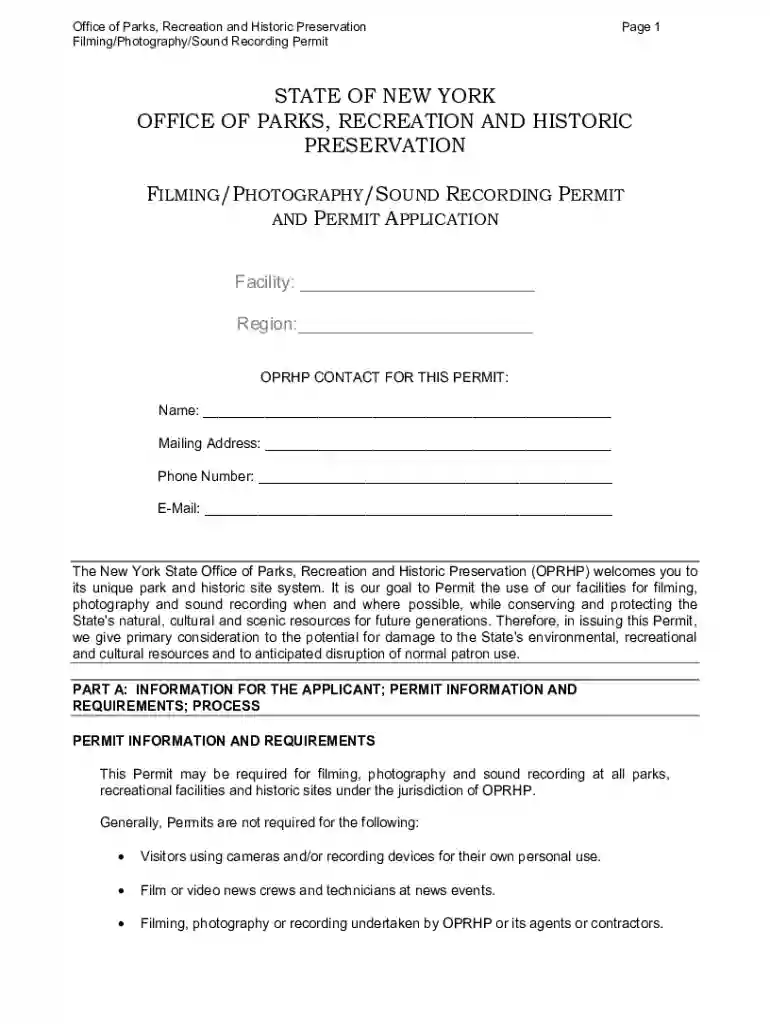
Definition and Meaning of "Form Online"
Online forms are digital versions of traditional paper forms that facilitate data collection and submission over the internet. They are utilized across various domains, from tax filing and job applications to surveys and feedback forms. Online forms provide a streamlined and efficient process for collecting and processing information, eliminating the need for physical documentation and manual data entry. This mode of operation allows for instantaneous data verification and submission, reducing the possibility of errors related to manual input.
Advantages of Online Forms
- Instant Submission: Online forms allow immediate data transfer after completion, speeding up processing time.
- Automated Validation: Built-in checks and validations help ensure data accuracy and completeness before submission.
- Environmentally Friendly: Reduces the need for paper, thereby minimizing environmental impact.
- Wider Reach: Can be accessed and submitted from anywhere with an internet connection, making them highly convenient for remote users.
Common Use Cases
- Tax Filings: Individuals and businesses can file taxes using forms like the IRS W-9 online, ensuring timely and accurate submissions.
- Surveys and Feedback: Companies frequently use online forms for customer surveys, gathering insights efficiently.
- Job Applications: Many organizations have transitioned to online form portals for their recruitment processes.
How to Use the Form Online
When using an online form, the process typically involves accessing the form via a web platform and filling out the required fields. Users need to ensure they have all necessary information handy to avoid interruptions during the process.
- Access the Form: Use a secure web browser to navigate to the platform hosting the form.
- Fill Out Required Fields: Complete all mandatory fields, double-checking for accuracy and adherence to specified formats.
- Attach Documents: If needed, upload any supplementary documents as specified by the form instructions.
- Review the Form: Go over all entries to ensure completeness and correctness before submission.
- Submit the Form: Once satisfied, submit the form. Usually, a confirmation email is sent upon successful submission.
Tips for Smooth Form Completion
- Stable Internet Connection: Ensure you have a reliable internet connection to avoid loss of data during the process.
- Browser Compatibility: Confirm the form is compatible with the browser being used for best performance.
- Preparation: Gather all needed information and documents in advance for a seamless experience.
How to Obtain the Form Online
There are several ways to access online forms. Typically, these forms are available through government or organizational websites, depending on the form's purpose and jurisdiction.
- Official Websites: Visit the official site of the issuing authority, such as the IRS for tax forms.
- Third-Party Platforms: Some organizations partner with trusted platforms to distribute and manage forms digitally.
- Email Requests: Forms may also be sent directly to your email upon request, especially for exclusive or sensitive use cases.
Steps to Find the Form
- Identify Form Requirements: Understand what specific form you need based on your requirement (e.g., tax filing, application submission).
- Navigate to Official Site: Visit the website of the issuing body or trusted partners.
- Access Download or Form Portal: Follow links provided to either download or fill out the form directly on the site.
- Verify Authenticity: Ensure the site is secure and legitimate to avoid phishing attempts.
Steps to Complete the Form Online
Completing a form online generally requires a series of steps that ensure all necessary information is accurately captured and submitted.
- Start with Personal Information: Begin by entering personal details which commonly include name, address, and contact information.
- Provide Specific Data: Depending on the form type, additional information such as financial data, applicant history, or reference details might be needed.
- Upload Required Attachments: If the form requires supplementary documents, ensure they are in the correct format and under the maximum file size limit.
- Confirmation and Review: Check all filled details once more to confirm accuracy.
- Final Submission and Acknowledgment: Submit the form and save or print the acknowledgment or confirmation for future reference.
Common Mistakes to Avoid
- Incomplete Information: Double-check for missed fields or skipped sections.
- Wrong Attachments: Ensure attached documents are the correct ones requested and properly scanned.
- Ignoring Confirmation Emails: Always confirm receipt of email acknowledgments to assure submission was successful.
Why Should You Form Online
Utilizing online forms offers numerous benefits over their paper counterparts, primarily in terms of efficiency, accessibility, and data integrity.
Efficiency in Operations
- Reduction in Processing Time: Online submissions lead to quicker processing and response times.
- Automated Data Handling: Many systems automatically compile and analyze data upon submission, improving decision-making speed.
Accessibility and Convenience
- 24/7 Availability: Forms can be accessed and submitted at any time, accommodating different time zones and schedules.
- Multi-Device Support: Users can fill out forms on various devices including smartphones, tablets, and computers, increasing accessibility.
Data Integrity and Security
- Secure Data Transmission: Technologies like SSL encryption ensure data is safely transmitted and stored, protecting user information.
- Real-Time Data Verification: Online forms can instantly validate data against specific rules, minimizing errors.
Individuals
- Taxpayers: Use forms for submitting tax information like the IRS W-9.
- Job Seekers: Fill out application forms for employment opportunities.
- Students: Apply for scholarships or admissions via online platforms.
Businesses and Organizations
- Human Resources: Manage recruitment and employee information through online forms.
- Customer Service: Use feedback forms to enhance customer satisfaction and service quality.
- Legal and Compliance Departments: Employ forms for filings related to regulatory compliance and other legal needs.
Legal Use of the Form Online
Using online forms adheres to specific legal standards, ensuring they are just as binding as traditional paper forms when executed correctly.
Compliance with Regulations
- Electronic Signatures: Integrated e-signature capabilities comply with the ESIGN Act, making them legally valid.
- Data Protection Laws: Adherence to data protection and privacy laws such as GDPR and CCPA is mandatory to protect user data and rights.
Record Retention
- Audit Trails: Many online forms include an audit trail feature, providing a documented record of each submission, which is crucial in legal and compliance scenarios.
- Digital Archiving: Efficient storage solutions ensure forms and data remain easily retrievable, providing a record for disputes or further inquiries.
Enforceability
- Forms filled and signed online have the same enforceability as paper documents, provided they include the necessary elements like signatures, identification, and accurate data entry.
Key Elements of the Form Online
Effective online forms incorporate several key elements designed to optimize the user experience and data collection efficacy.
Core Components
- User-Friendly Design: An intuitive interface with clear instructions and logical flow.
- Mandatory and Optional Fields: Distinction between required and optional fields aids users in prioritizing input.
- Validation Scripts: Built-in mechanisms to check data accuracy and completeness before submission.
Enhancements for Usability
- Responsive Design: Ensures the form functions well across different devices and screen sizes.
- Assistive Features: Tools such as tooltips or auto-fill options enhance user experience and reduce input time.
Data Security Features
- Encryption: Protects the data during transmission and storage.
- Access Controls: Restrict form access to authorized users only, preventing unauthorized alterations.
By thoroughly understanding and utilizing these online forms, individuals and organizations can ensure optimal efficiency, security, and compliance in their digital transactions.