






Definition & Purpose of the Louisiana Kids and - DSS State LA
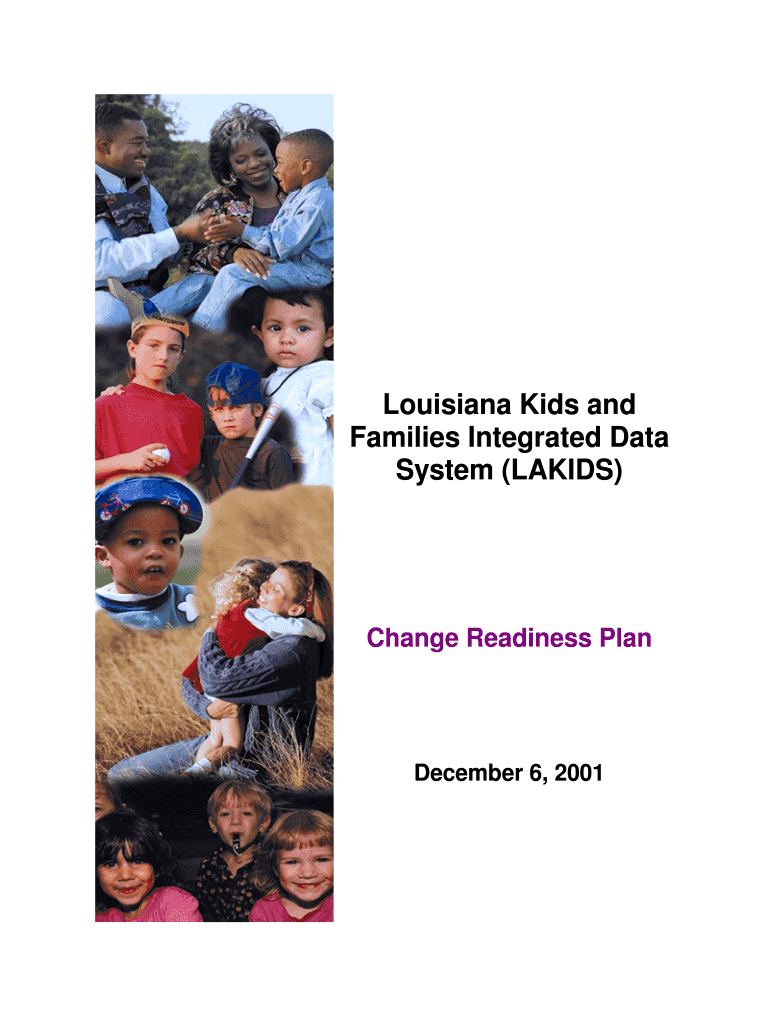
The Louisiana Kids and Families Integrated Data System (LAKIDS) is tailored to support the Louisiana Department of Social Services (DSS). It serves as a comprehensive database aimed at enhancing the management of child welfare services. This system is integral to assisting the state in maintaining accurate and up-to-date records of children and families receiving support. LAKIDS is crucial for coordinating and improving service delivery to stakeholders, ensuring data is consistently collected and utilized for decision-making processes that benefit children and families across the state.
How to Use the Louisiana Kids and - DSS State LA
Engaging with the LAKIDS involves accessing the platform to input, retrieve, and analyze data related to child services. Users must navigate a secure login process to ensure confidentiality and data integrity. Once within the system, users such as caseworkers and department officials can update records, track service metrics, and view detailed reports on child and family cases. Effective use of LAKIDS involves familiarization with its interface, which includes dashboards for different service categories, enabling a streamlined approach to managing and analyzing key data points crucial for service delivery.
Steps to Complete Required Entries in the LAKIDS
Completing entries in LAKIDS requires careful adherence to system protocols.
- Login and Access: Begin by securely logging into the LAKIDS platform using your credentials.
- Navigate to Relevant Module: Select the appropriate category, such as foster care, adoption, or family support services.
- Input Data: Enter child and family information in the specified fields ensuring accuracy—pay attention to mandatory fields marked for completion.
- Review and Save Entries: Double-check all entered data for accuracy before saving. This step ensures data integrity and prevents errors in reporting.
- Submission for Approval: Once completed, submit the entries for supervisory review, if required, as part of the case management protocol.
Who Typically Uses the Louisiana Kids and - DSS State LA
LAKIDS is predominantly used by social workers, case managers, and departmental supervisors within the Louisiana DSS. These professionals rely on LAKIDS for managing cases, tracking service provision, and complying with state and federal requirements for child welfare programs. In addition to staff, state policymakers might utilize aggregated data from LAKIDS to inform legislative decisions, aiming to improve child welfare services through evidence-based policy making.


Key Elements of the Louisiana Kids and - DSS State LA
LAKIDS is designed with several essential components:
- Data Entry Forms: For recording detailed information about families and children.
- Reporting Tools: These allow for the generation of comprehensive reports essential for assessing service outcomes and planning.
- Integrated Communication Channels: Used to facilitate interaction between different state departments involved in child welfare.
- Security Features: Include password protection and encrypted data transmission to protect sensitive information.
Legal Use of the Louisiana Kids and - DSS State LA
Usage of LAKIDS is governed by strict legal frameworks to ensure compliance with both state and federal laws. The system complies with the Family Educational Rights and Privacy Act (FERPA) and Health Insurance Portability and Accountability Act (HIPAA), ensuring personal information is safeguarded. Data within LAKIDS can only be accessed and shared by authorized personnel for legitimate purposes related to child welfare and the improvement of public service delivery.
Important Terms Related to the Louisiana Kids and - DSS State LA
Understanding key terminology is essential for effective use:
- Case Management: Refers to the process of organizing and managing case records in the system.
- Service Provision: Relates to the implementation and tracking of services provided to families.
- Data Encryption: This is the method used to protect information transferred within the system.
- Children and Family Services: Denotes divisions within the DSS focused on various child welfare programs.
State-Specific Rules for Using LAKIDS
While many features of LAKIDS align with federal requirements, specific state-driven rules must be observed:
- Mandatory Training: All users must undergo state-mandated training to ensure proper system use.
- Data Use Policies: Staff must adhere to Louisiana-specific guidelines regarding data confidentiality and handling.
- Daily Update Requirements: Users must frequently update records to reflect changes in case status promptly.
Examples of Using LAKIDS for Enhanced Service Delivery
LAKIDS aids in improving service outcomes as illustrated in these scenarios:
- Emergency Response Coordination: During crises, data from LAKIDS helps quickly identify children who require immediate intervention.
- Performance Tracking: Supervisors use LAKIDS to monitor the performance of social workers according to the follow-up actions recorded in the system.
- Policy Adaptation: Data trends over time can reveal service gaps, prompting policy adjustments to resolve recurring issues in child welfare programs.