Definition & Meaning
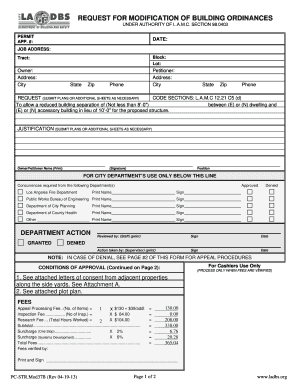
The Affordable Housing Units Expedited Permitting Request is a procedural form utilized by developers and property owners seeking accelerated processing of building permits for affordable housing projects. This request aims to streamline the review process, reducing the conventional waiting period and facilitating quicker project initiation. The form typically contains sections for property details, contractor information, and confirmation of the affordability criteria necessary to qualify for the expedited process. It is an essential tool for communities prioritizing affordable housing development, offering them a way to meet increasing demand swiftly and efficiently.
How to Use the Affordable Housing Units Expedited Permitting Request
To use this form effectively, applicants must first gather all relevant property and project details. Start by filling out the property location and description, including lot number and zoning classification. Subsequently, provide contractor information, ensuring all licensing details are current. The next step involves outlining the project scope, specifying how it aligns with affordable housing objectives. Importantly, attach evidence of funding and affordability criteria compliance. Submit the completed form to the designated housing programs office, either by mail or in person, to initiate the expedited review process.
Steps to Complete the Affordable Housing Units Expedited Permitting Request
-
Gather Required Information: Collect details about the property, contractor, and project specifics. Ensure you have up-to-date licenses and project plans.
-
Complete the Form: Begin with filling property and contractor sections. Pay special attention to the sections that require detailed descriptions of the project’s scope and its compliance with affordability standards.
-
Attach Supporting Documents: Include necessary documents such as proof of funding, project plans, and evidence of regulatory compliance related to affordable housing.
-
Submit the Form: Deliver the form and attachments to the Housing Programs Office. Depending on the municipality, this may be done online, by mail, or in-person.
-
Follow Up: Keep track of the submission status through contact with the office handling the request to ensure timely processing and address any additional requests for information.
Who Typically Uses the Affordable Housing Units Expedited Permitting Request
The primary users of this form are developers and property owners undertaking affordable housing projects. Municipalities involved in urban planning might also use this form to coordinate with developers to meet housing needs. Non-profit organizations focusing on housing solutions may apply for expedited permits to achieve quicker project start times. Additionally, housing authorities and urban renewal agencies often use this form as a part of broader initiatives to increase affordable housing supply in their communities.


Key Elements of the Affordable Housing Units Expedited Permitting Request
-
Property Information: Includes the address, parcel number, and zoning details.
-
Contractor Information: Contains the name, contact details, and license number of the contractor responsible for the project.
-
Project Scope: Describes the nature of the housing development, specifying the number of units, targeted income levels, and affordability criteria.
-
Funding Verification: Documentation confirming project funding, illustrating financial preparedness.
-
Affordability Confirmation: Details and evidence that housing units meet affordability standards set forth by relevant housing authorities.
State-Specific Rules for the Affordable Housing Units Expedited Permitting Request
Different states may impose varying guidelines regarding the use of this form. For example, some states require additional supporting documentation like environmental impact analyses or neighbor notifications. The eligibility criteria for what qualifies as an affordable housing unit might also differ based on state laws and regional cost-of-living factors. It's crucial for applicants to consult local regulations and partake in any required pre-submission meetings with the housing authority to understand state-specific stipulations thoroughly.
Examples of Using the Affordable Housing Units Expedited Permitting Request
-
Urban Expansion Project in California: A developer in Los Angeles used the form to expedite permits for a mixed-use development featuring affordable housing units, helping to meet a pressing demand for low-income housing within the city.
-
Affordable Senior Housing in Florida: A non-profit organization constructed senior apartments, benefiting from the reduced permit processing time by utilizing this form, which facilitated funding and timely project execution.
-
Rural Development in Texas: A cooperative leveraged the expedited permitting process to build community housing in a rural area, providing much-needed affordable options and supporting local economic growth.
Required Documents
When submitting the Affordable Housing Units Expedited Permitting Request, several documents are typically required:
-
Project Plans and Specifications: Detailed architectural drawings and project outlines.
-
Contractor License and Insurance: Proof of contractor credentials and liability coverage.
-
Financial Proof and Affordability Metrics: Evidence of funding sources and documentation affirming the project meets designated affordability thresholds.
-
Environmental Assessments: When applicable, any assessments related to environmental impact, required by local law.