Definition and Importance
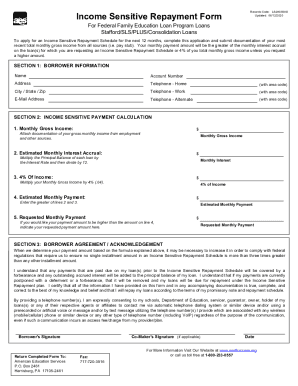
The form "Before submitting the completed form, you should consult with a private attorney for advice about yo" is a legal advisory notice often found in various legal and tax documents. This statement underlines the significance of seeking legal counsel to ensure compliance with relevant laws and regulations. Consulting a private attorney is crucial as it helps in understanding the legal implications of the document you're handling, minimizing risks of errors, and ensuring that all necessary actions are appropriately executed.
Reasons to Consult a Private Attorney
Before finalizing any formal document that includes complex legal or financial transactions, consulting a private attorney provides several benefits:
- Legal Expertise: Attorneys possess the knowledge to interpret legal language accurately, protecting you from potential legal pitfalls.
- Risk Mitigation: Professional legal advice can prevent costly mistakes that might arise from misunderstanding legal requirements.
- Compliance Assurance: An attorney ensures that your document fulfills all necessary legal criteria, reducing the risk of rejection or legal issues.
- Customized Advice: Legal professionals provide tailored advice based on your specific situation, offering clarity on nuances that might otherwise go unnoticed.
Common Uses for the Advisory Form
This advisory form is typically found in documentation such as:
- Estate Planning Documents: Wills, trusts, or other documents requiring a clear understanding of your legal rights and obligations.
- Business Formation Forms: When establishing entities like LLCs or corporations, legal advice verifies the correctness and completeness of submissions.
- Real Estate Transactions: Purchase agreements or lease documents benefit from an attorney's scrutiny to ensure fairness and legal compliance.
- Financial Agreements: Loan agreements or investment contracts often necessitate legal reviews to safeguard interests and confirm legality.
Key Elements and Considerations
When considering whether to consult an attorney, focus on these key elements:
- Complexity of the Document: The more complex the document, the more likely legal consultation is beneficial.
- Potential Legal Consequences: Documents with significant legal or financial repercussions warrant professional advice.
- State-Specific Laws: Locally varying laws can affect your document's requirements, making local attorney consultation advisable.
- Finality and Irreversibility: Documents with permanent consequences should always be reviewed by a legal expert.
State-Specific Rules and Guidance
The necessity for consulting with an attorney can vary significantly based on state-specific regulations:
- California: Includes specifics about documentation requirements for business filings and estate distributions.
- New York: Legal nuances in real estate transactions may require detailed legal intervention.
- Texas: Business entity forms often involve state-specific compliance issues best reviewed by a local attorney.
- Florida: Estate planning documents must adhere to Florida-specific statutes, necessitating legal insight.
Steps to Complete the Form
Completing the form with legal accuracy involves:
- Initial Review: Examine the form to understand its purpose and requirements.
- Gather Necessary Information: Collate all details required for completion, ensuring accuracy and relevance.
- Draft Initial Version: Fill out the form according to guidelines without finalizing the document.
- Consultation: Engage with a private attorney to review the draft, providing insights and recommendations for changes.
- Implement Feedback: Make necessary adjustments based on legal advice.
- Final Review and Submission: Confirm all elements are correctly addressed and submit the form through the appropriate channels.
Legal Use and Compliance
Ensuring compliance with legal standards involves:
- Understanding Legal Obligations: Leverage an attorney's expertise to grasp your legal duties related to the document.
- Adhering to Formats and Protocols: Follow established legal formats and protocols to avoid submission rejection.
- Document Corrections: Address any legal discrepancies identified during the attorney review process.
- Updating Documentation Practices: Adjust internal documentation procedures based on legal insights to maintain ongoing compliance.