01. Edit your form online
Type text, add images, blackout confidential details, add comments, highlights and more.

Type text, add images, blackout confidential details, add comments, highlights and more.

Draw your signature, type it, upload its image, or use your mobile device as a signature pad.

Send it via email, link, or fax. You can also download it, export it or print it out.
The RTL Application, or Resident Training License Application, is a formal document used by medical professionals seeking a training license from the North Carolina Medical Board. This application is crucial for individuals like medical residents or fellows who are undergoing clinical training in North Carolina. It verifies that the applicant meets the necessary eligibility requirements to practice medicine under supervision while completing their postgraduate training program. This application involves submitting personal identification details, previous education credentials, and any prior medical training experiences.
For efficient utilization, the RTL Application Login Portal allows applicants to manage their application process online. Once an account is created, users can log in to update personal information, track application status, or provide additional documentation as required. The process generally involves:
Completing the RTL Application involves several key steps to ensure accuracy and completeness. Each detail provided is crucial for the North Carolina Medical Board to verify the applicant's suitability for a training license.
Several critical documents must accompany the RTL Application to ensure successful processing. These include:
The RTL Application serves several legal purposes beyond granting access to clinical training. It ensures compliance with North Carolina's medical regulatory standards by verifying an applicant's background and qualifications. Moreover, it allows the North Carolina Medical Board to monitor those practicing medicine within the state, even in training roles, to ensure patient safety and maintain professional standards. Its legal use is strictly confined to the board's regulatory framework, and any false information may lead to legal penalties.
Understanding the key elements of the RTL Application is vital for successful completion and submission:
North Carolina's Medical Board has specific requirements for the RTL Application that are important to acknowledge:
Failure to comply with the requirements of the RTL Application can have significant consequences. Potential penalties include:
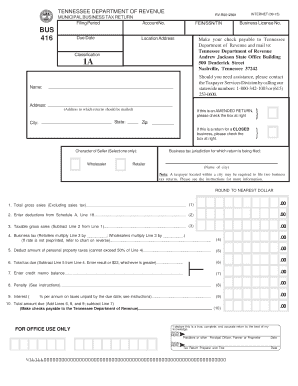
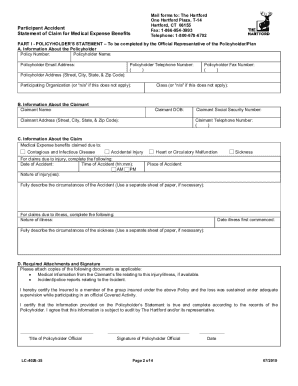
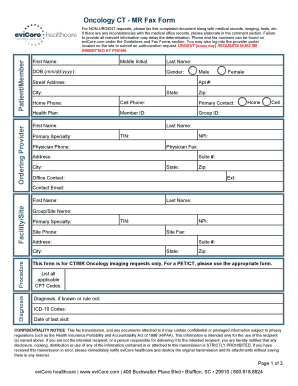
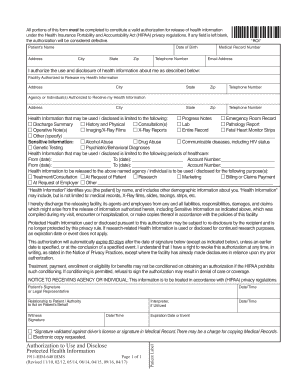
We've got more versions of the RTL Application - Login - North Carolina Medical Board form. Select the right RTL Application - Login - North Carolina Medical Board version from the list and start editing it straight away!
At DocHub, your data security is our priority. We follow HIPAA, SOC2, GDPR, and other standards, so you can work on your documents with confidence.