Definition and Meaning of Printing the Form and Handwriting
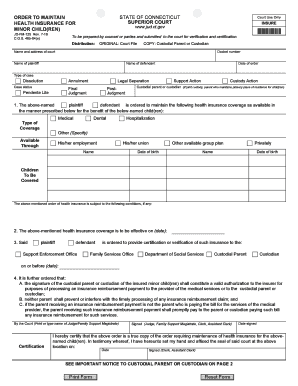
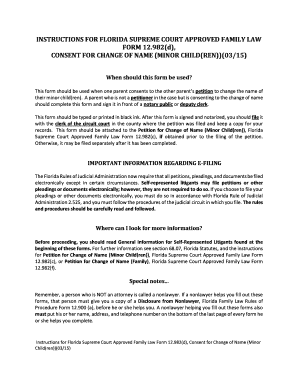
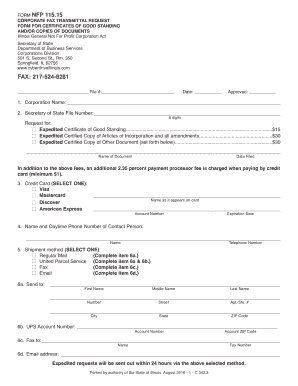
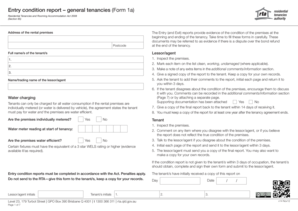
Printing the form and handwriting is a process that involves converting electronic documents into paper copies for manual completion. It is often necessary when digital submission is not an option or when a physical signature is required. This process generally involves downloading the document, printing it out, and then using a pen to fill in required fields. Despite the increasing prevalence of digital forms, printing and handwriting remain relevant for various applications, ensuring that individuals or institutions without digital access can still provide or gather necessary information.
Use Cases
- Legal documents requiring a physical signature
- Forms for individuals without reliable internet access
- Submissions to organizations that do not accept electronic forms
- Situations where digital form submissions are not secure
How to Use the Printing the Form and Handwriting
To effectively utilize the printing and handwriting method, follow these steps:
-
Downloading the Document:
- Access the document from the source where it is provided, such as a website or email.
- Ensure you download the correct version and save it to your local device.
-
Printing the Document:
- Open the downloaded file using compatible software (e.g., Adobe Acrobat, Microsoft Word).
- Use a connected printer to print out the document. Select the correct print settings to ensure clarity.
-
Filling Out the Form:
- Use a pen to fill in each field. Ensure your handwriting is clear and legible.
- Follow any specific instructions noted on the form regarding how to fill out certain sections.
-
Reviewing and Submitting:
- Double-check all completed sections for accuracy.
- Submit the form as directed, which could be via mail or in-person delivery.
Edge Cases
- If you lack access to a printer, consider using services like a local library or office supply store.
- Ensure ink does not smear when completing the form manually.
How to Obtain the Printing the Form and Handwriting
Obtaining the necessary form for printing and handwriting can be done through various channels:
-
Online Sources:
- Many forms are available on official websites, offering easy access for download.
- Government or organizational portals often provide downloadable versions of forms.
-
Email Requests:
- Request forms directly via email from organizations or institutions.
-
In-Person Collection:
- Visit the organization's office to obtain a physical copy of the form.
Examples
- Tax forms accessed through the IRS website.
- Employment applications downloaded from company career pages.
Steps to Complete the Printing the Form and Handwriting
Successfully completing a printed form by handwriting involves several critical steps:
-
Preparation:
- Gather all necessary information beforehand to avoid mistakes during completion.
-
Filling Out Information:
- Start with personal information fields such as name, address, and contact details.
- Proceed to specific fields relevant to the document, ensuring completeness.
-
Review:
- Check for errors, illegibility, or missed sections.
- Confirm alignment of your responses with any instructions provided.
-
Finalization:
- Add signatures where required.
- Date the document as an acknowledgment of its completion.
Who Typically Uses the Printing the Form and Handwriting
Individuals or entities opting for the printing and handwriting method often include:
-
People Without Digital Access:
- Those without reliable internet or digital devices.
-
Organizations Requiring Physical Submission:
- Certain government offices or companies that mandate paper submissions.
-
Legal and Formal Instances:
- Scenarios necessitating a wet signature for legal validity.
Real-World Scenarios
- Elderly individuals who are more comfortable with tangible documents.
- Students submitting applications or paperwork to institutions that lack digital infrastructure.
Key Elements of the Printing the Form and Handwriting
Critical elements involved in this method include:
-
Readability:
- Ensure that handwritten text is legible and free from erasures.
-
Completeness:
- Verify all sections are filled out to prevent processing delays.
-
Accuracy:
- Provide truthful and precise information to uphold document validity.
-
Signatures:
- Affix your original signature where required to confirm authenticity.
Digital vs. Paper Version
Understanding the differences between using digital forms and printing forms for handwriting is essential:
-
Digital Forms:
- Allows for easy editing and submission.
- Provides faster processing and tracking capabilities.
-
Printed Forms:
- Offers control over document appearance and readability.
- No technological barriers for completion and submission.
Pros and Cons
- Digital: Speed and convenience, but requires technology.
- Printed: Accessibility, but potentially slower processing times.