






Definition & Meaning
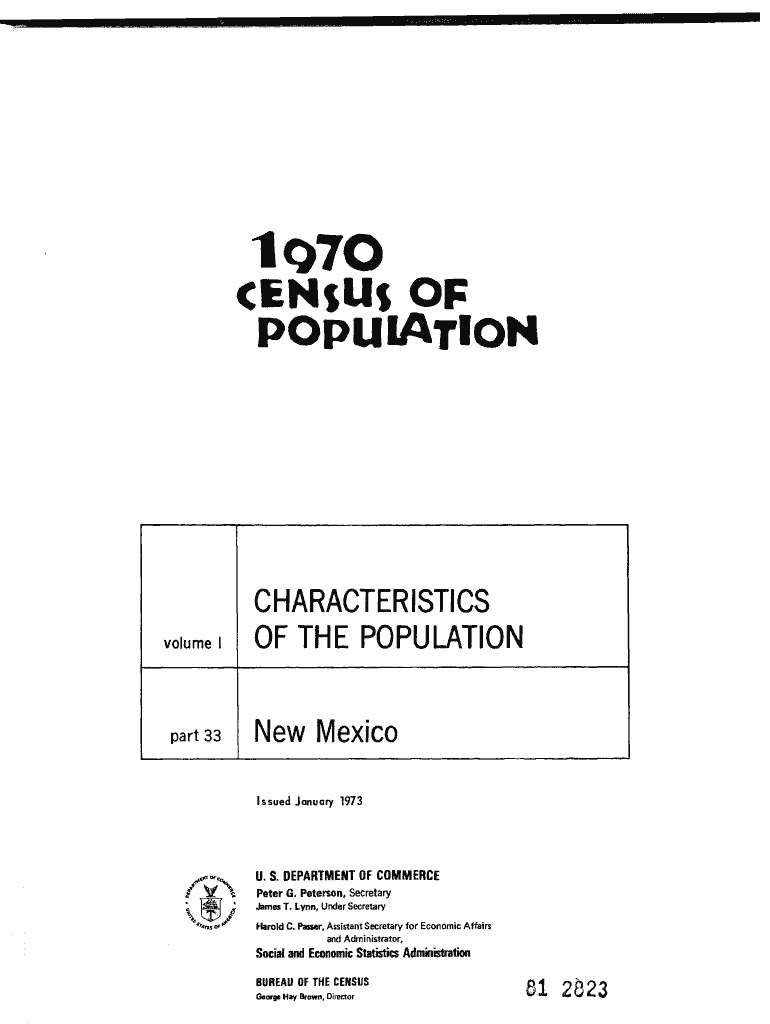
The "Index of prod2 decennial documents - Census - Census Bureau" is a comprehensive guide to the various resource documents produced by the Census Bureau every ten years. These documents compile a broad spectrum of data collected during the decennial census, which is a constitutionally mandated activity aimed at gathering demographic, social, and economic information about residents in the United States. The index serves as an essential reference for researchers, policymakers, educators, and other stakeholders interested in understanding population trends and characteristics. It organizes the decennial census materials, making it easier for users to locate specific reports and datasets pertinent to their field of interest.
How to Use the Index of Prod2 Decennial Documents
Using the index involves searching for documents relevant to a particular area of interest or demographic focus within the decennial census data. It typically includes:
-
Browse by Topic:
- Categories may include population characteristics, housing data, employment statistics, and educational attainment.
- Users can navigate through topical sections to find specific datasets or analyses.
-
Search Functionality:
- Utilize search features with keywords or document labels to find relevant materials quickly.
- Advanced search options may allow filtering results by year, type of document, or geographic focus.
-
Access and Usage:
- Once a document is identified, users can download or access it through the Census Bureau's database.
- Pay attention to any data usage guidelines or citation requirements outlined for public use.
How to Obtain the Index of Prod2 Decennial Documents
Accessing the index is straightforward, typically through the Census Bureau's official website or through authorized data distribution channels. Steps to obtain it include:
-
Visit the Census Bureau Website:
- Navigate to the section dedicated to census data and documentation.
- Look for links directing you to decennial census materials.
-
Request via Email or Phone:
- For users unable to access the internet, contacting the Census Bureau directly may provide alternatives for obtaining the index in physical or digital form.
-
Local Libraries and Institutions:
- Many public libraries and educational institutions have access to federal documents, including census data. Seek assistance from them for guidance on obtaining these documents.
Steps to Complete the Index of Prod2 Decennial Documents
While the index itself is a reference guide and not something to be completed, understanding the steps to effectively use it can enhance its utility:
-
Identify Information Needs:
- Assess what type of demographic or economic data is required for your particular research or project.
-
Navigate the Index:
- Use the table of contents to locate relevant sections quickly.
- Pay attention to document titles and abstracts to determine relevance.
-
Access and Analyze Data:
- Extract data and information from identified documents to support research findings or decision-making processes.
Important Terms Related to the Index of Prod2 Decennial Documents
Understanding specific terminology used within the index can aid in navigating and interpreting the documents:
- Decennial Census: A nationwide population count conducted every ten years.
- Population Characteristics: Data fields relating to age, race, gender, and ethnicity.
- Housing Units: Information capturing the number and type of housing accommodations.
- Economic Profiles: Analysis of employment status, industry types, and occupational data.
- Demographic Survey: Detailed investigations into population distributions and trends.
Legal Use of the Index of Prod2 Decennial Documents
Utilizing the index involves adhering to legal and ethical standards related to data use:
-
Data Privacy:
- The Census Bureau ensures that individual responses remain confidential, and data users must respect these protections.
-
Citation Requirements:
- Properly attribute any data or findings derived from the documents to the Census Bureau.
-
Restricted Use Limitations:
- Some data may have access restrictions, especially datasets that could inadvertently disclose personal information.
Key Elements of the Index of Prod2 Decennial Documents
The index is composed of several critical elements that facilitate ease of use and comprehensive data retrieval:
- Document Listings: Organized by type, year, or content. Each entry typically includes a summary or abstract.
- Search Tools: Allow users to find specific topics or datasets quickly.
- Geographic Reference: Indices often list data availability by state, region, or urban area to support localized research.
- Updates and Revisions: Regular updates ensure that users have access to the latest information and methodologies.
Examples of Using the Index of Prod2 Decennial Documents
Various real-world scenarios illustrate the practicality of the index:
- Academic Research: University researchers use census documents to study migration patterns over decades.
- Urban Planning: City planners refer to housing and population data to inform infrastructure projects.
- Public Policy: Policymakers analyze economic profiles from decennial data to draft legislation promoting economic growth and social equity.
Digital vs. Paper Version
The transition from paper to digital formats has revolutionized how users interact with the index:
-
Convenience and Accessibility:
- Digital versions allow for easy searches, real-time updates, and integration into software tools.
- Paper versions still serve as reliable resources for users without digital access and provide a tangible format for long-term retention.
-
Environmental Considerations:
- Digital formats reduce the need for physical storage space and paper waste.
-
User Preference:
- Some users favor digital for quick access, while others prefer paper for in-depth study and offline access.