






Definition and Purpose
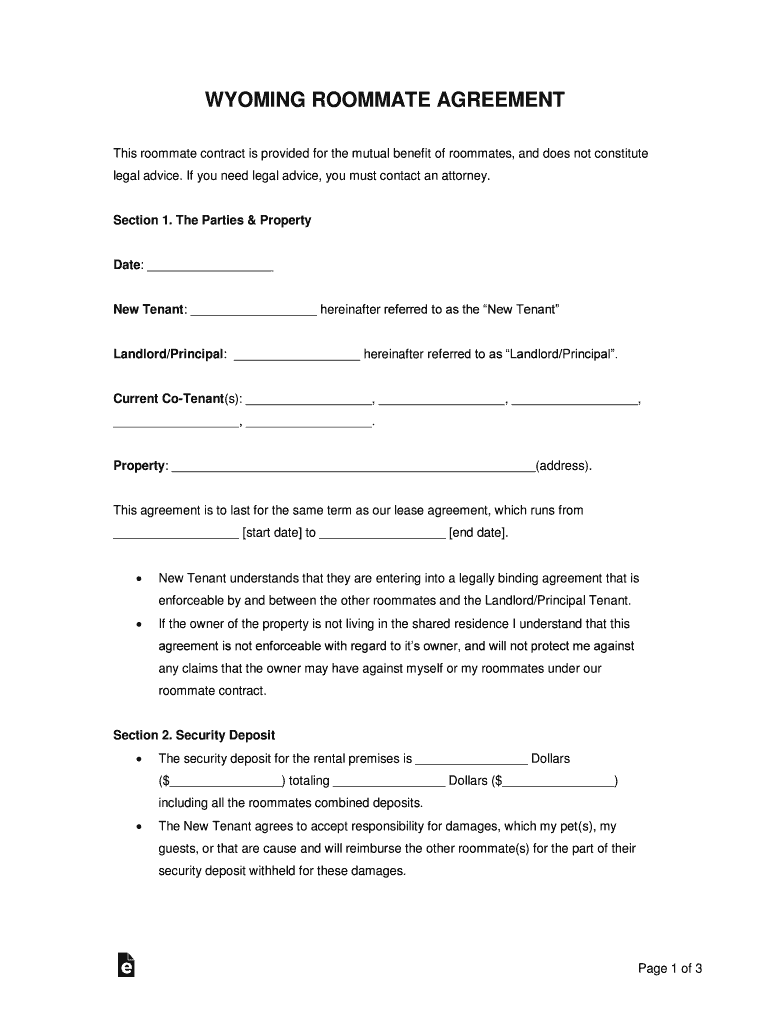
A Roommate Agreement in Canada serves as a formal contract between roommates, outlining responsibilities and expectations in a shared living arrangement. While the agreement is not legally required, it is highly recommended as it provides a clear framework for handling common living issues, such as rent splitting, chores, and guest policies. The document is designed to avoid misunderstandings and disputes by clearly defining the rights and duties of each roommate. Unlike a lease, which is primarily an agreement between a landlord and tenants, a roommate agreement focuses on the relationships and obligations among those who share a living space.
Key Elements of the Roommate Agreement
Several components are critical to a robust roommate agreement, ensuring all parties have a mutual understanding of living arrangements:
-
Financial Responsibilities: Clearly detail how rent, utilities, and other living expenses are divided among roommates. Specify payment deadlines and repercussions for late payments to prevent financial disputes.
-
Chore Division: Outline how household tasks such as cleaning, grocery shopping, and trash disposal are distributed. Establish a flexible schedule that accommodates everyone’s availability.
-
Guest Policies: Set rules for overnight guests and long-term visitors, including notice requirements and time limitations, ensuring everyone’s comfort and privacy are respected.
-
Quiet Hours and Noise Levels: Agree on hours when the household should be quiet to accommodate the sleeping and working schedules of each roommate.
-
Room Changes and Common Areas: Define rules for making changes to the shared space and individual rooms, including any procedures for switching rooms if necessary.
How to Obtain a Roommate Agreement in Canada
Acquiring a roommate agreement can be straightforward with accessible online resources:
-
Online Platforms: Many websites offer free downloadable templates tailored to Canadian laws. These templates can usually be edited to suit specific household needs.
-
Legal Document Services: Consider using online legal document services that provide professionally drafted agreements. These services often ensure compliance with local jurisdictional requirements.
-
Custom Drafting: For unique or complex living arrangements, consulting with a lawyer to draft a personalized agreement may provide the strongest legal footing.
Important Terms Related to Roommate Agreements
Understanding the language within a roommate agreement can prevent confusion and ensure all parties are informed:
-
Joint and Several Liability: A legal term indicating that each roommate is individually and collectively responsible for fulfilling the terms of the agreement.
-
Security Deposit: Money held by the landlord or a selected party as protection against damage to the property or unpaid rent.
-
Conflict Resolution Process: A method included in the agreement for handling disputes, possibly involving mediation or a designated neutral party to resolve issues amicably.
Steps to Complete a Roommate Agreement
Following a step-by-step approach ensures a comprehensive and effective contract:
-
Identify All Parties: List the full legal names and contact information of all roommates involved.
-
Outline Financial Terms: Detail the apportioned rent and any shared expenses, specifying payment methods and deadlines.
-
Define House Rules and Responsibilities: Agree on rules for common areas, pet policies, and noise levels to prevent future conflict.
-
Set Living Arrangements: Clarify bedroom assignments and the allocation of storage or parking spaces if applicable.
-
Sign and Date the Agreement: Ensure all parties sign the document, with copies distributed for personal records.
Legal Use and Enforcement
The enforceability of roommate agreements in Canada relies on their adherence to relevant laws and clarity of the terms:
-
Legally Binding Nature: While not as enforceable as a lease, these agreements hold contractual power in small claims court if clearly written and signed.
-
Landlord Notification: Depending on the lease terms, notifying the landlord about the roommate agreement may be advisable to avoid lease violations.
Common Scenarios for Roommate Agreements
Roommate agreements are versatile and applicable in various living situations:
-
Short-Term Rentals: Useful for college students or interns who require temporary housing solutions.
-
Long-Term Leases: Beneficial for individuals seeking a stable living arrangement for several years, ensuring their interests are protected over the lease term.
-
Subletting Situations: Provides a framework when a tenant rents out their space to a subtenant, preserving harmony with existing residents.
Examples and Variations of Roommate Agreements
Exploring different types of roommate agreements can highlight their adaptability:
-
Standard Roommate Agreement: Covers basic expectations and responsibilities in a typical shared apartment setting.
-
House Sharing Agreement: Tailored for larger households with more complex arrangements, such as those living in multi-family houses or co-housing communities.
-
Virtual Roommate Agreement: Modified for remote working situations where virtual arrangements, like shared virtual office spaces, require agreements on usage time and resources.
Software Compatibility and Document Preparation
With the integration of technology, preparing and managing roommate agreements has become accessible:
-
Digital Platforms: Utilize platforms like DocHub to edit, sign, and share documents online, ensuring a seamless process from drafting to execution.
-
Integration with Cloud Services: Store and access your agreement through services such as Google Drive to maintain well-organized and readily accessible documentation for all involved parties.
By leveraging these insights, individuals can create customized, fair, and clear agreements that promote a harmonious living environment for all roommates.