Definition & Meaning
The "4 A Safe - csiknowledgecenter osu" form is associated with resources that ensure safety and security protocols in various scenarios. It focuses on essential safety measures and documentation needed to maintain a secure environment. This form may encompass protocols, guidelines, or checklists that help users adhere to safety standards in specific operational contexts.
Important Terms Related to 4 A Safe - csiknowledgecenter osu
Understanding the terminology used in this form is crucial for proper implementation and compliance. Key terms might include:
- Safety Protocols: Defined rules and procedures to enhance security.
- Risk Assessment: Evaluation process to identify potential safety hazards.
- Incident Reporting: Structured documentation of safety breaches or accidents.
These terms provide a foundation for comprehending the safety standards delineated in the form, ensuring consistent application in various settings.
Steps to Complete the 4 A Safe - csiknowledgecenter osu
Successfully completing the "4 A Safe - csiknowledgecenter osu" involves several steps that ensure comprehensive adherence to safety guidelines:
- Review Safety Requirements: Familiarize yourself with all outlined safety measures.
- Conduct Risk Assessment: Identify potential hazards associated with your environment or operation.
- Implement Procedures: Follow the safety protocols specified in the form to mitigate identified risks.
- Document Findings: Record the process and outcomes to provide evidence of compliance.
- Regular Updates: Revisit and update the form as needed to reflect changes in safety protocols or operational contexts.
Each step is designed to ensure thorough implementation of safety measures, promoting a secure environment.
How to Use the 4 A Safe - csiknowledgecenter osu
The form serves as a guide to establish and maintain safety standards. Use it to evaluate current safety practices and implement necessary changes:
- Regular Training: Incorporate the form into safety training programs to educate staff.
- Compliance Checks: Utilize it to conduct routine checks for compliance with established safety protocols.
- Incident Analysis: Use as a reference for analyzing incidents, helping to improve future responses.
These applications make the form a vital resource for enhancing safety and security measures.
Who Typically Uses the 4 A Safe - csiknowledgecenter osu
The form is commonly used by various professionals and organizations requiring stringent safety protocols, including:
- Safety Officers: Individuals responsible for maintaining safety standards in the workplace.
- Facility Managers: Personnel managing the daily operations of a facility.
- Compliance Teams: Groups ensuring adherence to operational safety and regulatory requirements.
Its widespread use across multiple domains underscores its importance in maintaining high safety and security standards.


Key Elements of the 4 A Safe - csiknowledgecenter osu
The form is comprised of essential components that facilitate effective safety management:
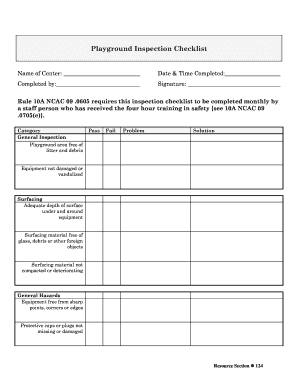
- Safety Checklists: Comprehensive lists of tasks to ensure all areas meet safety standards.
- Risk Analysis Sections: Areas designated for documenting potential safety risks.
- Compliance Documentation: Sections for recording evidence of adherence to safety protocols.
Understanding these elements is crucial for those tasked with implementing and maintaining safety measures using the form.
Why Should You 4 A Safe - csiknowledgecenter osu
Utilizing this form helps promote a safe and compliant environment by providing clear guidelines and standards. It supports:
- Risk Mitigation: Reducing potential hazards through structured protocols.
- Legal Compliance: Ensuring adherence to industry safety regulations and standards.
- Enhanced Safety Awareness: Promoting a culture of safety within organizations.
Implementing the form’s directives leads to a more secure and efficient operation, reducing liabilities and enhancing overall safety.
Legal Use of the 4 A Safe - csiknowledgecenter osu
The form also serves a legal function by documenting safety practices:
- Incident Evidence: Provides documentation that can be used in legal proceedings following a safety incident.
- Regulatory Compliance: Acts as proof of compliance with local and federal safety regulations.
- Audit Preparedness: Ensures that safety practices are readily verifiable during audits or inspections.
The legal utilitarian aspect of the form ensures organizations remain compliant while mitigating legal risks associated with safety breaches.