






Definition and Purpose of the Northwest Water Reclamation Plant Reclaimed Waterline
The Northwest Water Reclamation Plant Reclaimed Waterline, often referred to as the NW Waterline, plays an essential role in the sustainable management of water resources. It is a specialized infrastructure designed to transport and distribute reclaimed water for various non-potable applications. This helps in reducing the load on potable water systems and supports environmental conservation efforts. The reclaimed water is typically used for irrigation, industrial processes, and other applications where potable water is not necessary. By understanding the definition and purpose, users can appreciate the importance of reclaimed water systems in sustainable urban planning.
How to Use the Northwest Water Reclamation Plant Reclaimed Waterline
Using the Northwest Waterline requires adherence to specific guidelines and best practices to ensure both efficiency and compliance. Users should be familiar with the designated applications of reclaimed water and should ensure that it is not mixed with potable water systems.
- Applications: Common uses include landscape irrigation, golf courses, and cooling water for industrial processes.
- Safety Precautions: Ensure proper labeling and signage in areas where reclaimed water is used to prevent unintended consumption.
- System Integration: Work with local utilities to understand the connection points and integration with existing irrigation systems.
Understanding these usage guidelines ensures that reclaimed water is utilized effectively and safely, promoting environmental sustainability and resource efficiency.
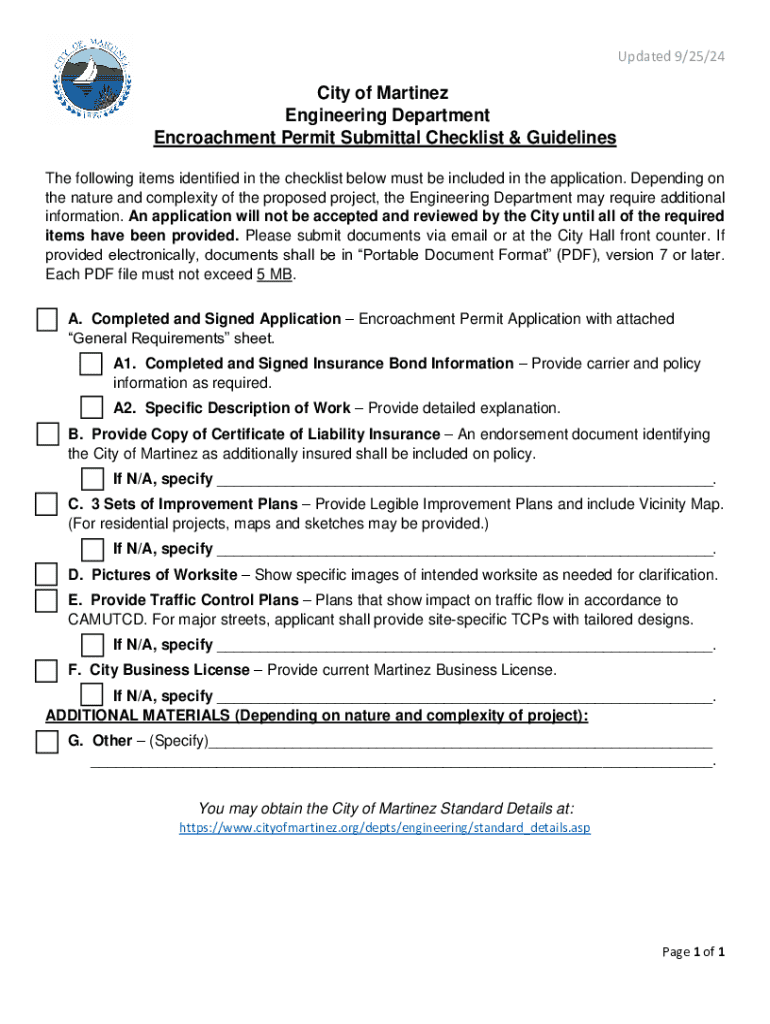
Steps to Complete the Connection Application for the Waterline
Connecting to the Northwest Waterline involves a systematic process requiring detailed attention to regulatory and technical specifications. Below are the steps typically involved:
- Pre-Application Meeting: Schedule a meeting with local authorities to discuss the project scope and requirements.
- Submit Application: Complete the required forms that detail the intended use, estimated water usage, and specific site plans.
- Review Process: Await the review of submitted plans, during which authorities may request additional information or modifications.
- Approval and Permits: Once approved, obtain the necessary permits to proceed with the construction and connection work.
Each step is crucial to ensuring that the connection is legal, safe, and sustainable, facilitating the most effective use of reclaimed water.
Important Terms Related to the Northwest Water Reclamation Plant Reclaimed Waterline
Understanding the terminology associated with the Northwest Waterline helps in navigating its use and regulations effectively.
- Reclaimed Water: Water that has been treated and purified for reuse.
- Non-potable Use: Uses of water that are not intended for human consumption, such as irrigation and industrial processes.
- Cross-Connection: A point where a potable water supply and a non-potable water system may intersect, which must be carefully managed to prevent contamination.
- Permit Compliance: Adhering to all local, state, and federal permits and regulations governing the use of reclaimed water.
Familiarity with these terms assists in ensuring compliance and effective communication with relevant stakeholders.
Legal Use and Compliance Considerations
Legal use of the Northwest Waterline involves understanding and adhering to regulatory requirements at the local, state, and federal levels.
- Regulations: Ensure compliance with environmental regulations governing water quality standards and usage restrictions.
- Permitting: Obtain all necessary permits before initiating the use of reclaimed water.
- Inspection and Documentation: Regular inspections and accurate record-keeping are required to demonstrate compliance with legal standards.
Legal compliance not only ensures the sustainable use of water resources but also mitigates the risk of penalties and legal challenges.
Key Elements of the Northwest Waterline Agreement
Engaging with the Northwest Waterline involves navigating through legal agreements and contracts that define the terms of service and obligations.
- Service Agreement: Specifies the responsibilities of the parties involved regarding maintenance, operational standards, and usage limits.
- Cost Structure: Details regarding the pricing for services rendered, including connection fees and any ongoing charges.
- Termination Clauses: Conditions under which the agreement may be terminated by either party, including breaches of contract and regulatory changes.
Understanding these key elements is essential for any entity seeking to use the Northwest Waterline, ensuring clarity and compliance.
Penalties for Non-Compliance
Non-compliance with the Northwest Waterline regulations and guidelines can result in significant penalties.
- Fines and Sanctions: Financial penalties for violations of water quality standards or usage limits.
- Service Suspension: Termination or suspension of water service until compliance is achieved.
- Legal Action: Potential for litigation if non-compliance results in environmental damage or safety violations.
Being aware of these penalties emphasizes the importance of adhering to all guidelines and ensures responsible usage of the reclaimed water system.
State-Specific Rules and Regulations
While the overarching principles of reclaimed water use are consistent, state-specific rules can vary widely. Each state may have unique regulations regarding the use of reclaimed water.
- Permit Requirements: Some states may have additional permits required for the use of reclaimed water.
- Water Quality Standards: Variations in the required level of treatment and quality testing may necessitate specific measures.
- Usage Restrictions: Certain states might restrict the use of reclaimed water during drought conditions or other environmental concerns.
Understanding these variations is crucial for entities operating across multiple jurisdictions to ensure compliance and effective resource management.