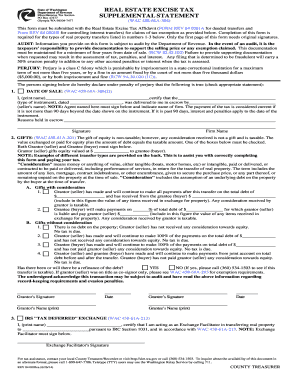
Definition and Purpose of PACKAGE EXAMPLE
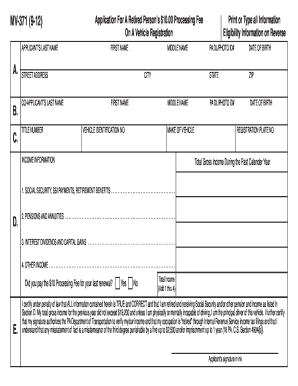
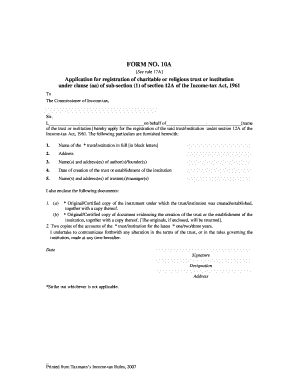
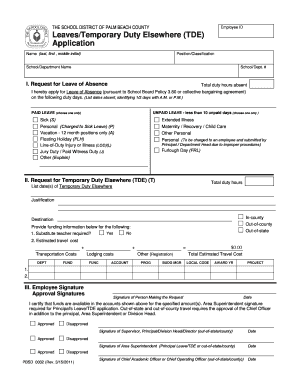
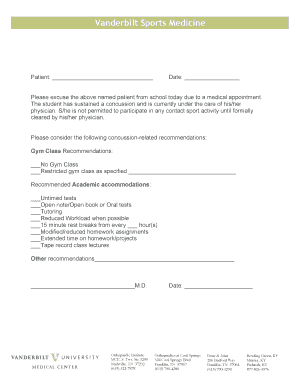
The "PACKAGE EXAMPLE" refers to a set of documents or forms designed to facilitate specific transactions, processes, or actions typically relevant in business or legal contexts. It acts as a comprehensive framework applicable to various applications, ensuring that all necessary steps, requirements, and documentation are clearly outlined and adhered to. For instance, in a business setting, a PACKAGE EXAMPLE might include contracts, order forms, invoices, and delivery instructions tailored for a particular project or transaction. This pre-organized structure helps streamline administrative tasks, reducing the time spent gathering and completing disparate document sets.
How to Use the PACKAGE EXAMPLE
Using a PACKAGE EXAMPLE efficiently involves several key steps designed to maximize its utility. Firstly, users should carefully review all included documents to understand their specific roles and requirements. This helps in identifying any additional information or supporting documents needed for completion. Next, follow any provided instructions or guidance notes that accompany the documents. These usually offer detailed explanations on how to fill each part correctly. Users can then proceed with completing the forms, paying close attention to mandatory fields to avoid processing delays. Moreover, for electronic versions, users can utilize document management tools like DocHub, which offer features like form filling, digital signing, and real-time collaboration, ensuring a seamless workflow.
How to Obtain the PACKAGE EXAMPLE
The PACKAGE EXAMPLE can usually be obtained through various channels depending on its context and use. For official or legal documents, it might be available for download from governmental or organizational websites. Business-specific PACKAGE EXAMPLES could be part of a toolkit provided by industry associations or through a subscription with a service provider like DocHub. Users can access these easily by logging into their accounts and navigating to the relevant section on the platform. Importantly, it's vital that users ensure they are accessing the correct and most up-to-date version of the PACKAGE EXAMPLE to comply with current standards and regulations.
Steps to Complete the PACKAGE EXAMPLE
- Review the Overview: Begin by reading any included overview or introduction that outlines the purpose and contents of the PACKAGE EXAMPLE.
- Gather Necessary Information: Collect all relevant data and documents required to complete the example, including identification numbers, financial records, or any other pertinent information.
- Fill Out Forms: Use the instructions provided to accurately complete each form within the package. Some platforms, like DocHub, allow digital completion and signing of documents.
- Verify Information: Double-check all entered information for accuracy and completeness to avoid errors or omissions that could lead to delays or rejections.
- Submit or Distribute: Once fully completed, follow the method of submission or distribution as outlined, be it via mail, online submission, or in-person delivery.
Key Elements of the PACKAGE EXAMPLE
- Document List: A comprehensive list of all documents included in the PACKAGE EXAMPLE, detailing their purpose and utility.
- Instructions: Step-by-step guidance for completing each form, ensuring users do not miss crucial information.
- Template Forms: Predesigned forms that need to be filled out with specific details relevant to the user's circumstances or the transaction at hand.
- Compliance Information: Sections detailing any legal or regulatory requirements that apply to the documents in the package, ensuring users remain compliant.
- Submission Guidelines: Instructions for how to submit the PACKAGE EXAMPLE, including acceptable submission formats and addresses.
Legal Implications of Using PACKAGE EXAMPLE
The PACKAGE EXAMPLE often includes components that bear legal significance. For documents requiring signatures, electronic or otherwise, it is crucial to understand their binding nature and any legal obligations they impose once signed. Certain documents might require notarization or third-party verification, particularly in legal transactions like property transfers or business agreements. Failure to adhere to these legal stipulations can result in voided agreements, fines, or other legal repercussions. Therefore, it is advisable to seek legal counsel if there is any uncertainty regarding the completion or submission of such documents.
Examples of Scenarios Using the PACKAGE EXAMPLE
Consider a small business owner who needs to set up a series of contracts for an upcoming trade show. The PACKAGE EXAMPLE provides all necessary contracts, exhibition agreements, and checklists for compliance with event regulations. By using the comprehensive package, the business owner can ensure that all legal and operational requirements are met, thereby facilitating a smooth participation in the event.
In another scenario, a legal PACKAGE EXAMPLE might be used by an attorney to standardize client intake processes. This could include agreements for representation, consent forms, and confidentiality agreements. Utilizing such a package ensures that each client's onboarding is seamless, thorough, and legally compliant.
State-Specific Rules for PACKAGE EXAMPLE
In the United States, certain elements of the PACKAGE EXAMPLE might be subject to state-specific regulations or variations. For instance, some states might have unique disclosure requirements for financial documents, or differing standards for electronic signatures. Users of the PACKAGE EXAMPLE must familiarize themselves with their specific state's rules by consulting local legal resources or guidelines. This ensures that all documents are compliant with the relevant state laws, thereby safeguarding against legal issues.