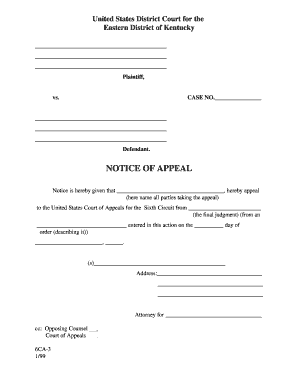
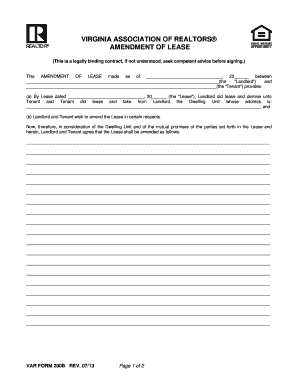
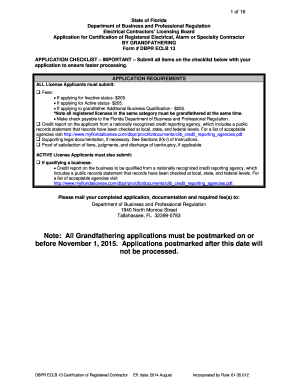
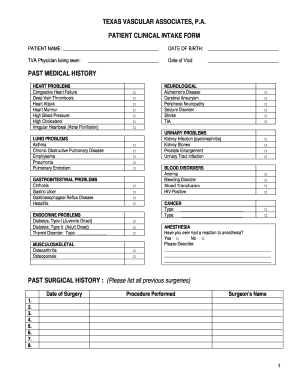
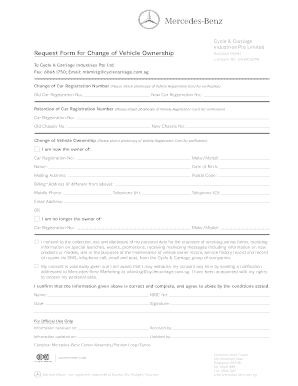
01. Edit your form online
Type text, add images, blackout confidential details, add comments, highlights and more.

Type text, add images, blackout confidential details, add comments, highlights and more.

Draw your signature, type it, upload its image, or use your mobile device as a signature pad.

Send it via email, link, or fax. You can also download it, export it or print it out.
Form online is a digital document accessible via the internet, designed for users to complete electronically. It eliminates the need for paper versions, supporting various real-time activities such as data entry, submission, editing, and storage. Users can handle diverse tasks like applying for services, filing taxes, or collecting information through fillable fields, making the process efficient and environmentally friendly.
To effectively utilize an online form, users should begin by accessing the platform where the form is hosted. The interface typically guides the user through the process, from inputting data to submitting the form. It’s crucial to carefully read all instructions to ensure accuracy and completeness.
Securing the necessary document online can often be accomplished through a few channels. Official websites and specific online portals frequently distribute these forms.
Completing an online form requires attention to detail and a step-by-step approach to ensure no data is missed or incorrectly entered.
Several core elements are found across most forms online, designed to collect required information succinctly.
When using online forms, especially for formal and legal matters, it’s important to adhere to legal standards and industry regulations. Such documents must be designed to be legally binding when necessary, ensuring compliance with pertinent laws.
Online forms are integrated into various scenarios, providing users with efficient ways to engage with services, complete administrative tasks, or provide necessary data.
Considering the use of digital forms compared to their paper counterparts can highlight significant differences in user experience and functionality.
Digital Formats:
Paper Formats:
By focusing on these elements, users can navigate online forms more effectively, ensuring comprehensive utility and suitability within various practical contexts.
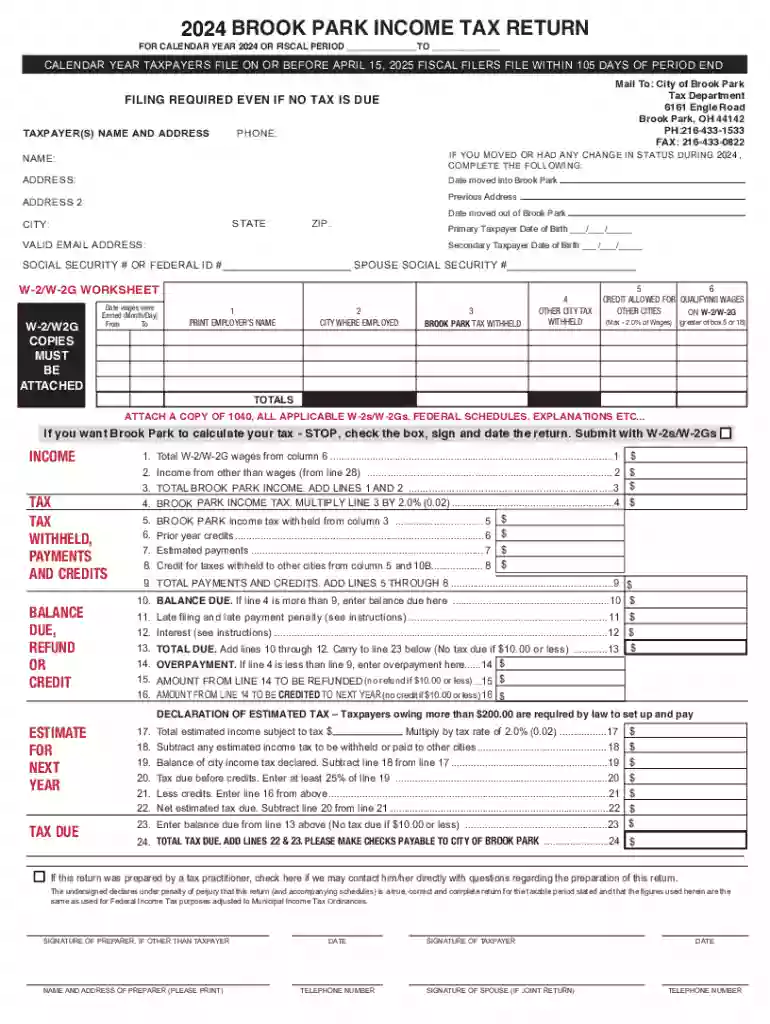
We've got more versions of the Brook Park Income Tax Return form. Select the right Brook Park Income Tax Return version from the list and start editing it straight away!
At DocHub, your data security is our priority. We follow HIPAA, SOC2, GDPR, and other standards, so you can work on your documents with confidence.