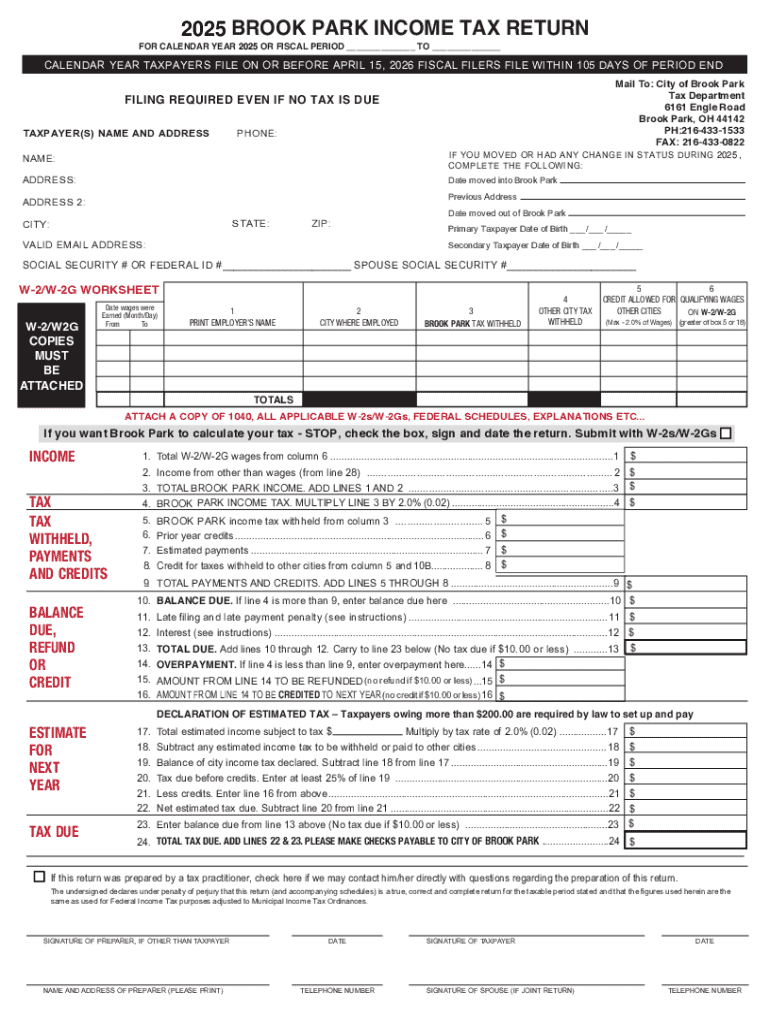







Definition & Meaning of the "Estimated Income Tax and or Extension of Time to File 0 0"
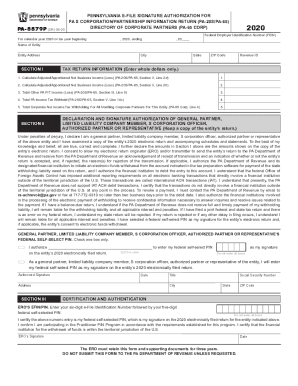
The form "Estimated Income Tax and or Extension of Time to File 0 0" primarily serves as a tool for taxpayers to calculate their estimated income taxes and request an extension for filing. Understanding its function is crucial, as it supports tax compliance by allowing individuals and businesses to extend their filing deadlines while managing tax liabilities proactively.
Main Purposes
- Estimate Tax Liability: Helps taxpayers project their tax obligations accurately and plan payments accordingly.
- Extend Filing Deadline: Provides additional time to organize and file taxes, reducing the pressure of meeting strict deadlines.
Applicable Contexts
- Federal Tax: Used for federal income tax estimations and extensions.
- State Variations: Although focused on federal use, some states have similar processes and may require separate submissions.
How to Use the Estimated Income Tax and or Extension of Time to File 0 0
Understanding how to effectively use this form involves several steps and ensures compliance with tax requirements.
Key Steps
- Gather Information: Collect all necessary financial documents, including previous tax returns, income records, and current year financial data.
- Calculate Estimated Tax: Use the form to estimate taxes based on projected income and deductions.
- Fill in Required Sections: Complete sections regarding personal and financial information accurately.
- Determine Extension Need: Decide if more time is needed for filing and indicate this on the form.
Practical Tips
- Double-Check Calculations: Ensure all estimates are accurate to avoid underpayment.
- Consult Professionals: For complex tax situations, seek advice from a tax professional.
Steps to Complete the Form
A systematic approach to completing the form guarantees thoroughness and accuracy.
Detailed Step-by-Step Process
- Personal Information: Begin by filling out personal data such as name, social security number, and address.
- Income Details: Enter estimated income amounts and deductions.
- Tax Computation: Follow instructions to compute estimated tax based on entered information.
- Extension Request: If needed, fill the section related to the extension of the filing deadline.
- Review and Submit: Double-check all entries, ensure that calculations are correct, and submit the form.
Considerations
- Due Dates: Be aware of submission deadlines for both federal and state taxes.
- Documentation: Retain copies of all documents for future reference.
Filing Deadlines / Important Dates
Adhering to filing deadlines is critical to avoid penalties.
Key Dates to Remember
- April 15th: Standard deadline for tax filing. Extensions may extend this date.
- Estimated Tax Payment: Quarterly payment deadlines if paying estimated taxes throughout the year.
Implications of Missing Deadlines
- Penalties and Interest: Late submissions may incur additional charges.
- Extension Limitations: Extensions give more time to file, but not to pay taxes owed.
IRS Guidelines for Estimated Tax Forms
Compliance with IRS guidelines ensures proper handling of your estimated tax forms.
IRS Recommendations
- Accurate Estimation: Complete estimates using correct figures to avoid discrepancies.
- Timely Payments: Meet payment deadlines to avoid penalties.
Additional Resources
- IRS Publications: Consult IRS publications for detailed instructions on completing and filing the form.
Required Documents for Filing
A comprehensive document list ensures all necessary information is available when completing the form.
Essential Documents
- Previous Tax Returns: Useful for reference and consistency.
- Income Statements: Such as W-2s, 1099s, or other income documentation.
- Deduction Records: Proof of eligible deductions claimed.
Preparation Tips
- Organized Filing System: Maintain an organized system for easy access to documents.
- Electronic Copies: Consider digital copies for easy sharing and submission.
Penalties for Non-Compliance
Understanding non-compliance repercussions is vital to ensure timely and correct form filing.
Types of Penalties
- Late Filing Penalty: Charged for missing the filing deadline.
- Late Payment Penalty: Applicable if taxes are not paid by the deadline.
- Interest Charges: Accrues on any unpaid tax from the due date until the payment date.
Mitigation Strategies
- Timely Communication: Contact the IRS if you anticipate missing a deadline to explore options.
- Payment Plans: Consider setting up a payment plan if unable to pay the full amount by the due date.
State-specific Rules
There are nuances in state requirements and deadlines that must be observed.
Examples of State Differences
- State-specific Forms: Some states may have specific forms for estimated taxes and extensions.
- Varying Deadlines: State filing deadlines can differ from federal deadlines.
Navigating State Rules
- State Department of Revenue: Consult state websites or departments for specific rules.
- Professional Advice: Seek assistance from tax professionals knowledgeable about state requirements.