Definition & Meaning
"When filling out a form on the internet, the Tab key moves" is a phrase referencing the functionality of the Tab key in digital form fields. In most digital forms, pressing the Tab key moves the cursor or selection to the next fillable field, streamlining the data entry process. This functionality is integral to efficient navigation in online forms, enhancing user experience by reducing the need for mouse use to switch fields.
Importance of Tab Key Functionality
- Efficiency: Quick movement between fields without displacing hands from the keyboard.
- Accessibility: Supports users who rely on keyboard navigation, including those with mobility impairments.
- Workflow Streamlining: Essential in environments requiring rapid data entry, such as offices processing multiple forms.
How to Use the Tab Key in Online Forms
Utilizing the Tab key effectively in online forms can significantly enhance productivity. Here's a step-by-step guide:
- Starting Point: Once in a form, use the mouse or touchpad to click on the first field.
- Press Tab: After inputting data in one field, press the Tab key to move to the next field.
- Shift + Tab: To move backwards to a previous field, press Shift and Tab together.
- Cycle Through Fields: Continue using Tab to cycle through the form's fields until completion.
Practical Examples
- Job Applications: Navigate swiftly through sections like personal information, experience, and education.
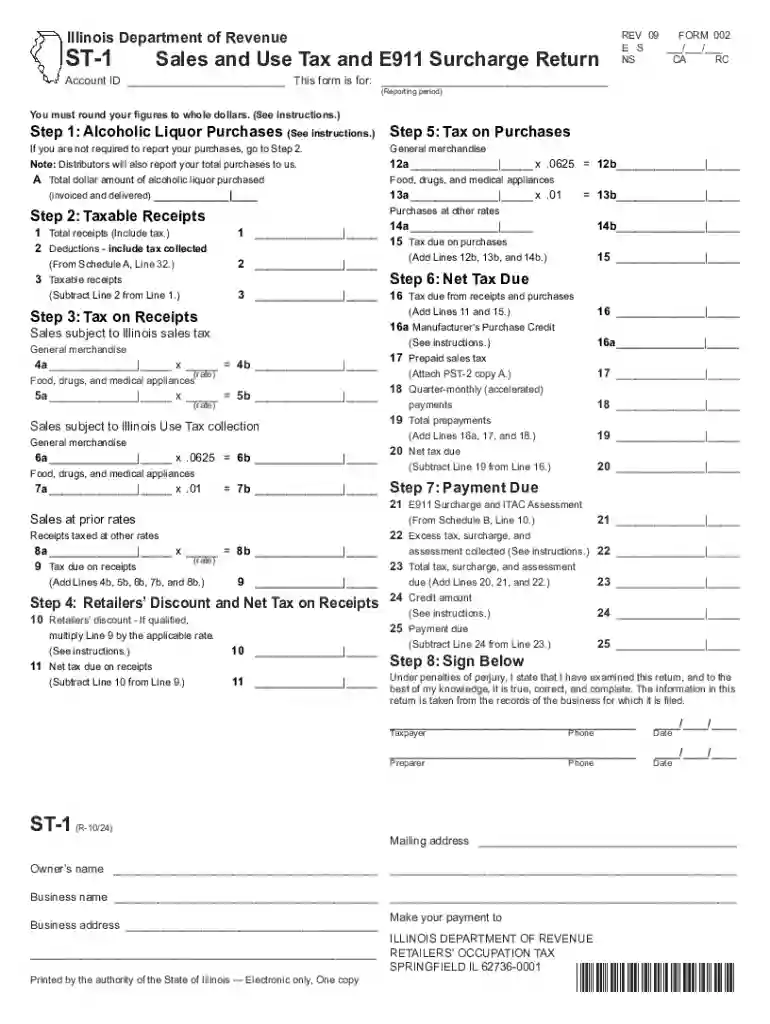
- Tax Forms: Move between different deduction sections without leaving the keyboard.
- Feedback Surveys: Quickly input responses in sequential fields.
Why Use the Tab Key for Form Navigation
The advantages of using the Tab key when completing online forms extend beyond mere convenience. Here are some compelling reasons:
- Reduces Error: Minimizes the chance of skipping fields, thus ensuring complete form submission.
- Consistent Method: Offers a standardized method to navigate forms across different platforms and browsers.
- Ergonomics: Promotes a more ergonomic workflow by reducing the need for mouse usage, beneficial in terms of physical health.
Key Elements of Internet-Based Forms
When using the Tab key, understanding the typical elements present in digital forms can optimize your navigation experience:
Common Form Components
- Text Boxes: Standard field for short text inputs like names and addresses.
- Dropdown Menus: Use Tab to focus, then arrow keys to select options.
- Checkboxes and Radio Buttons: Navigate to these elements and use the space bar to select.
- Submit Button: Tab often cycles through to the submit button, making form submission seamless.
Steps to Complete a Form with the Tab Key
A structured approach ensures efficient completion of online forms using the Tab key:
- Prepare Required Information: Gather all necessary documents and information before starting.
- Initial Setup: Access the form on a compatible browser and ensure no autofill issues.
- Progress Efficiently: Use the Tab key as outlined to input data in sequential order.
- Review and Edit: Use Shift + Tab to revisit and check any field without mouse intervention.
- Final Review: Before submission, ensure all mandatory fields are filled, correcting any errors identified.
Software Compatibility for Internet Forms
The functionality of using the Tab key to navigate online forms may vary based on the software and browser:
Popular Browsers
- Google Chrome: Fully supports Tab navigation with extensions available for enhanced accessibility.
- Mozilla Firefox: Offers robust keyboard navigation, including customizable shortcuts.
- Microsoft Edge: Provides similar Tab navigation experience, integrated with Windows accessibility tools.
Specialized Software
- DocHub: Offers seamless integration with forms, supporting full Tab functionality for efficient workflow management.
Digital vs. Paper Versions of Forms
Understanding the distinction between digital and paper forms is essential:
- Digital Forms: Accessible via the internet, offering interactive fields and immediate submission capabilities. The Tab key is a crucial feature for user-friendly navigation.
- Paper Forms: Require manual entry and physical submission, often leading to higher error rates and longer processing times.
Benefits of Digital Over Paper
- Instant Submission: Reduces lag time and administrative overhead.
- Environmental Impact: Eliminates paper waste associated with traditional forms.
- Error Reduction: Provides real-time validation and error checking on input fields.
Examples of Using the Tab Key in Online Forms
Exploring real-world scenarios illustrates the versatility of the Tab key in completing digital forms:
Example Scenarios
- Student Enrollment: Completing course registration forms quickly and accurately.
- Medical History Intake: Filling out patient health history efficiently at clinics.
- E-commerce Checkout: Speeding through billing and shipping details to finalize purchases.
By mastering the use of the Tab key in internet forms, users can enhance their digital experience, saving time and maintaining high accuracy levels across various applications.