




01. Edit your tencum online
Type text, add images, blackout confidential details, add comments, highlights and more.

Type text, add images, blackout confidential details, add comments, highlights and more.

Draw your signature, type it, upload its image, or use your mobile device as a signature pad.

Send it via email, link, or fax. You can also download it, export it or print it out.
The term "tencum" within the context of legal documents typically refers to a subpoena duces tecum. This type of subpoena requires a person or entity to produce documents or tangible items for inspection and copying under legal authority. The purpose is often to gather evidence without the need for a deposition. As a procedural tool, it is fundamental in the discovery phase of legal proceedings, allowing parties to request pertinent records that may aid in their case. Understanding this term is essential for those involved in legal processes, as it determines how documents are requested and managed judicially.
Utilizing a subpoena duces tecum involves several planned steps. Primarily, the party seeking information must draft the request carefully, specifying the documents or items required. Legal counsel or authorized individuals typically prepare these requests to ensure compliance with jurisdictional rules. Once drafted, the subpoena must be served to the proper entity, usually by a law enforcement officer or court-appointed process server. Careful attention must be given to timelines and content to avoid delays or objections. Parties must ensure that the scope of the request is not overly broad or intrusive to minimize legal challenges.
To procure a subpoena duces tecum, one must often go through the court system. The process involves filing a motion with the court detailing the necessity of the request and the parties involved. Legal representation is recommended to navigate the formal requirements efficiently. Once the court grants the motion, the subpoena can be issued. The requester must clearly know who holds the documents and ensure compliance with service rules. Understanding the jurisdiction’s specific rules under which the subpoena is issued is vital, affecting both the process and enforceability.
Completing a subpoena duces tecum involves precise steps:
Adhering to these steps ensures the subpoena's effectiveness and compliance with legal standards. Each action requires attention to detail to prevent potential invalidation due to procedural errors.
Several terms are synonymous with or related to subpoena duces tecum, including:
Understanding these terms helps clarify the roles and expectations involved in complying with a subpoena duces tecum.
Legally, a subpoena duces tecum is a powerful tool. It is primarily used to collect evidence in civil and criminal cases where documentation is crucial. Its use must comply with federal and state regulations, including notice requirements and justification for document requests. While powerful, this subpoena type is not a carte blanche; its application is subject to restrictions protecting privileged, irrelevant, or overly burdensome requests. Legal practitioners use it with caution to avoid infringement on individual or organizational rights, and courts oversee its fair application.
Each state in the U.S. may have different rules governing the use and issuance of a subpoena duces tecum. For instance:
Understanding these state-specific nuances is crucial for ensuring that the subpoena is valid and enforceable. Practitioners need to be well-versed in applicable local laws to navigate differences in state procedures effectively.
Subpoena duces tecum plays an essential role in a variety of cases. In corporate litigation, it may be employed to access financial records crucial for proving fraud. In family law, it might be utilized to obtain documentation of assets for equitable distribution. Another example is its use in medical malpractice cases, where access to patient records can illuminate the standard of care provided. Each application of this subpoena reflects its versatility and critical importance in gathering necessary documentation to build or defend a case effectively.
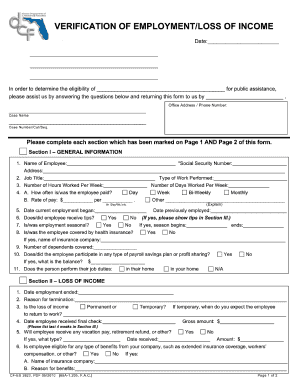
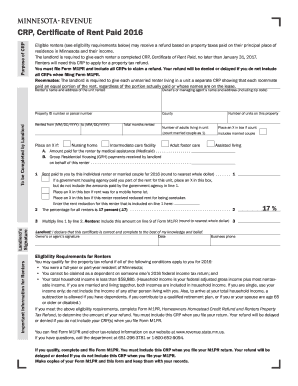
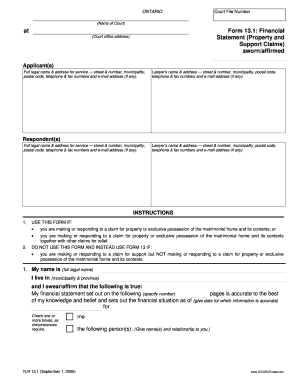
We've got more versions of the tencum form. Select the right tencum version from the list and start editing it straight away!
At DocHub, your data security is our priority. We follow HIPAA, SOC2, GDPR, and other standards, so you can work on your documents with confidence.


by JC Watson 1941 Fattening Western Lambs and Gummer Ewes. The s atcment is based on aHalfa at 7.48 per ten. The average price of feeder ewes was $3.26 per cwt. The death loss,
Company the Purchased Securities. The purpose of this letter agreement is to confirm the terms and conditions of the purchase by the Investor of the Purchased


