







Definition and Meaning
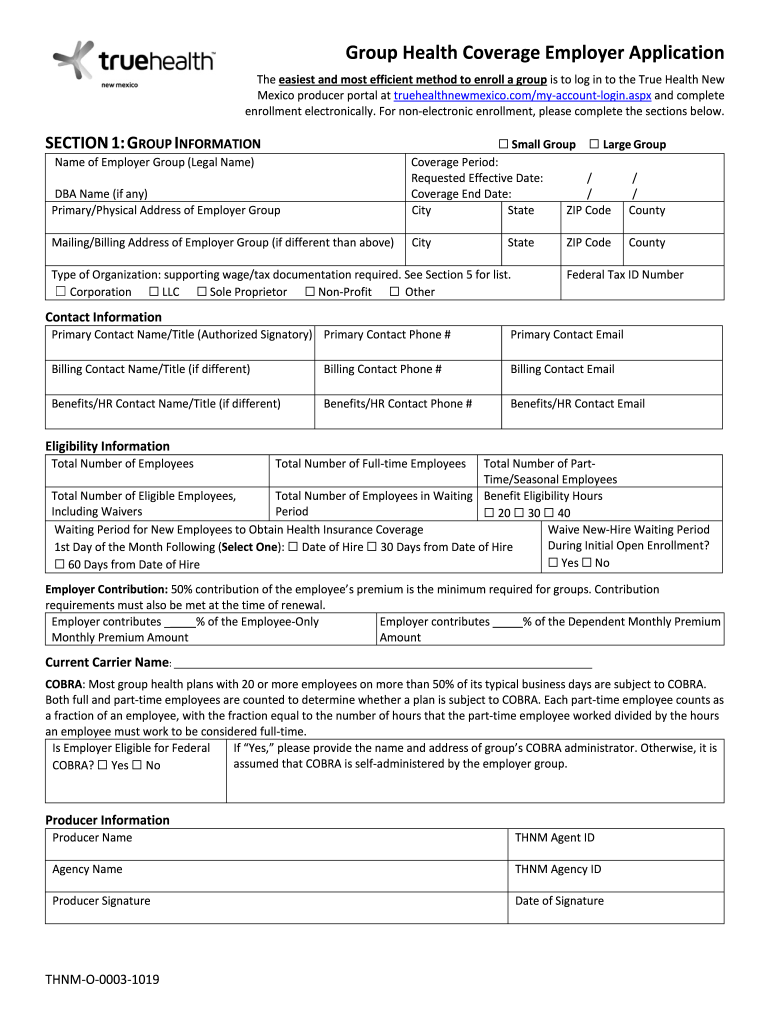
The form "15 Ways Employers Can Reduce Health Care Spending That" is likely aimed at providing employers with strategic methodologies to minimize their expenditures on health care benefits. This document serves as a guide to understanding various approaches that can be implemented within an organization to effectively manage and reduce health care expenses while ensuring employee well-being and compliance with relevant regulations.
Understanding the Primary Objective
- Cost Management: Helps businesses track and lower health care costs.
- Employee Well-being: Ensures that all strategies put in place do not compromise employee access to necessary health care.
- Regulatory Compliance: Keeps the companies aligned with health insurance laws and policies in the U.S.
Examples of Cost Reduction Strategies
- Telemedicine Services: Offering virtual health consultations to reduce in-person visit costs.
- Wellness Programs: Implementing health initiatives to promote preventive care.
- Tiered Provider Networks: Encouraging employees to choose lower-cost providers.
How to Use the Form
Businesses can use this form as a detailed guide to identify and apply specific cost-cutting measures in their health care spending without impacting the quality of care.
Step-by-Step Implementation
- Review Current Costs: Start by analyzing existing health care spending.
- Identify Strategies: Select from the 15 methods that best align with company goals.
- Pilot Programs: Consider initial trials for selected strategies to evaluate effectiveness.
- Feedback and Adjustments: Gather feedback from employees and refine the strategies for optimal results.
Steps to Complete the Form
Completing this form involves a systematic approach to evaluating and implementing the cost-saving strategies outlined.
Completion Process
- Gather Data: Collect information regarding current health care plans and expenditures.
- Assess Options: Evaluate each of the 15 approaches based on company-specific needs.
- Document Changes: Record any changes or new plans in the forms provided by the document.
- Finalize and Implement: Confirm the selected strategies and proceed with the implementation.
Who Typically Uses the Form
This form is typically utilized by HR professionals, financial officers, and senior management within organizations that are seeking to efficiently manage their health care budgets.


Role-Specific Responsibilities
- HR Professionals: Focus on the impact on employee benefits and morale.
- Financial Officers: Analyze cost-effectiveness and financial implications.
- Senior Management: Align strategies with overarching business goals.
Key Elements of the Form
The form covers a comprehensive range of elements necessary for effective cost management.
Core Components
- Cost Analysis: Tools and tips to measure current expenditure.
- Strategy Selection: Guidelines to pick the most suitable cost-saving options.
- Implementation Framework: Step-by-step instructions to apply the strategies.
Important Terms Related to the Form
Understanding specific terminology is crucial for accurately navigating and utilizing the form.
Glossary of Terms
- Telemedicine: Using telecommunications technology to provide health care remotely.
- Wellness Program: Initiatives aimed at improving health and reducing health risks.
- Provider Network: A group of health care providers that offer services to insured individuals.
Legal Use of the Form
Using the form within legal boundaries ensures compliance and mitigates risks.
Compliance Considerations
- Adherence to the Affordable Care Act: Ensuring that cost reduction strategies comply with ACA requirements.
- Confidentiality Agreements: Protecting employee health data during the process.
- Reporting Standards: Proper documentation and reporting of health benefit changes to regulatory bodies.
Examples of Using the Form
Examples provide practical insights into how companies have successfully employed the form to achieve substantial savings in health care spending.
Case Studies
- Case Study 1: A mid-sized tech company used telemedicine to reduce consultation costs by 25%.
- Case Study 2: A manufacturing firm implemented wellness programs, resulting in a 15% reduction in employee sick days.
In these examples, companies managed to lower costs while maintaining high standards of employee care and satisfaction. These practical applications illustrate the form's value as a strategic tool for businesses looking to optimize their health care expenditures.




