




Here's how it works
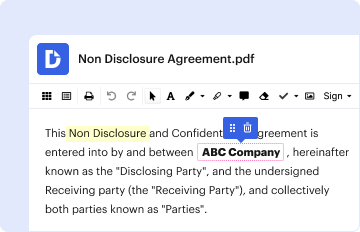
01. Edit your allergen form templates online
Type text, add images, blackout confidential details, add comments, highlights and more.
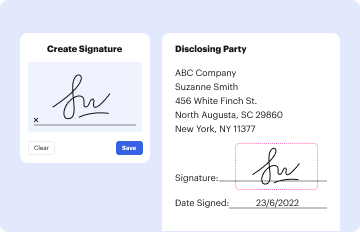
02. Sign it in a few clicks
Draw your signature, type it, upload its image, or use your mobile device as a signature pad.

03. Share your form with others
Send allergies form template via email, link, or fax. You can also download it, export it or print it out.
How to use or fill out allergy form template with our platform

- Click ‘Get Form’ to open the allergy form template in the editor.
- Begin by entering your personal information in the designated fields, including your name, contact details, and date of birth. This ensures that the form is accurately linked to you.
- Next, navigate to the allergy section. Here, you will find checkboxes for common allergens such as nuts, dairy, and gluten. Select all that apply to you by clicking on the boxes.
- In the comments section, provide any additional details about your allergies or reactions. This is crucial for healthcare providers to understand your needs better.
- Finally, review all entered information for accuracy before submitting. Use our platform’s editing tools to make any necessary adjustments easily.
Start using our platform today to fill out your allergy form template for free!
Fill out allergy form template online
It's free
It's free
See more allergy form template versions
We've got more versions of the allergy form template form. Select the right allergy form template version from the list and start editing it straight away!
| Versions | Form popularity | Fillable & printable |
|---|---|---|
| 2017 | 4 Satisfied (44 Votes) |
Got questions?
We have answers to the most popular questions from our customers. If you can't find an answer to your question, please contact us.
Contact us
What are the 7 types of allergies?
What 7 Types of Allergies Are Most Common? Food Allergy. Pet Allergy. Drug Allergy. Pollen Allergy. Latex Allergy. Mold Allergy. Insect and Pest Allergy.
What are the top 9 most common allergies?
More than 170 foods have been reported to cause allergic reactions, ing to Food Allergy Research Education (FARE), but the vast majority are caused by the Big Nine: milk, eggs, nuts, fish, crustaceans, shellfish, wheat, soy and sesame.
What are the big 7 allergies?
For those who are sensitive, a reaction can occur within minutes or hours, and symptoms can range from mild to life-threatening. The nine leading causes of food allergies identified in the US are milk, eggs, fish, shellfish, tree nuts, peanuts, wheat, soybeans, and sesame.
How do you document a new allergy?
Documenting new suspected drug allergic reactions When a person presents with suspected drug allergy, document their reaction in a structured approach that includes: the generic and proprietary name of the drug or drugs suspected to have caused the reaction, including the strength and formulation.
What is an example of an allergy disclaimer?
Please be aware that our food may contain or come into contact with common allergens, such as dairy, eggs, wheat, soybeans, tree nuts, peanuts, fish, shellfish or wheat.
Security and compliance
At DocHub, your data security is our priority. We follow HIPAA, SOC2, GDPR, and other standards, so you can work on your documents with confidence.
Learn more


Related forms

Is irs requesting immunization records form
The document is a request form for immunization records from the El Paso County Public Health Immunization Clinic. It in ...
Medical terminology worksheet
The document is a worksheet focused on medical terminology, featuring multiple-choice questions and fill-in-the-blank ex ...
6th grade reference sheet
The document is a reference sheet for Grade 6 Mathematics in Massachusetts, providing essential conversion factors and f ...
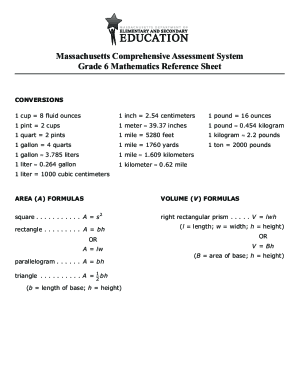
MCAS Grade 6 Mathematics Reference Sheet
The document is a reference sheet for Grade 6 Mathematics under the Massachusetts Comprehensive Assessment System, provi ...
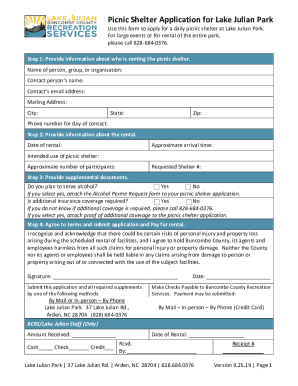
Issaquahwa DocumentCenterViewPICNIC SHELTER RENTAL REQUEST APPLICATION Page 1
The document is an application form for renting a picnic shelter at Lake Julian Park, detailing the steps required to ap ...
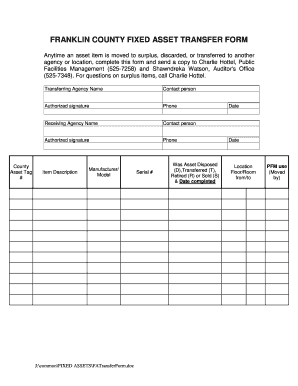
FRANKLIN COUNTY FIXED ASSET TRANSFER FORM
The document is a Fixed Asset Transfer Form for Franklin County, used to record the movement of asset items that are mov ...

Form 3G30-2
The document is a grievance form (Form 3G30-2) used by employees to report violations of the Working Agreement. It inclu ...
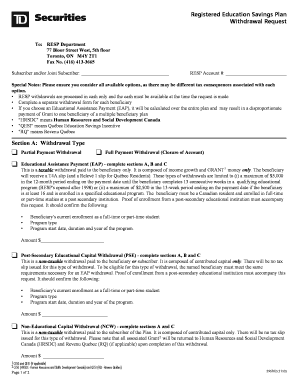
Td resp withdrawal form
The document is a withdrawal request form for a Registered Education Savings Plan (RESP), detailing the types of withdra ...
People also ask
What are 10 rare allergies?
Here are some of the rarest allergies known to medical science. Aquagenic Urticaria (Water Allergy) Photosensitivity (Sun Allergy) Cold Urticaria (Allergy to the Cold) Exercise-Induced Anaphylaxis. Cholinergic Urticaria (Sweat Allergy) Nickel Allergy (Allergy to Coins)
Can you form an allergy?
Generally, allergies are more common in children. However, a first-time occurrence can happen at any age, or recur after many years of remission. Hormones, stress, smoke, perfume, or environmental irritants may also play a role in the development or severity of allergies.
What are the 7 major allergies?
What Are Major Food Allergens? Milk. Eggs. Fish (e.g., bass, flounder, cod) Crustacean shellfish (e.g., crab, lobster, shrimp) Tree nuts (e.g., almonds, walnuts, pecans) Peanuts. Wheat. Soybeans.