
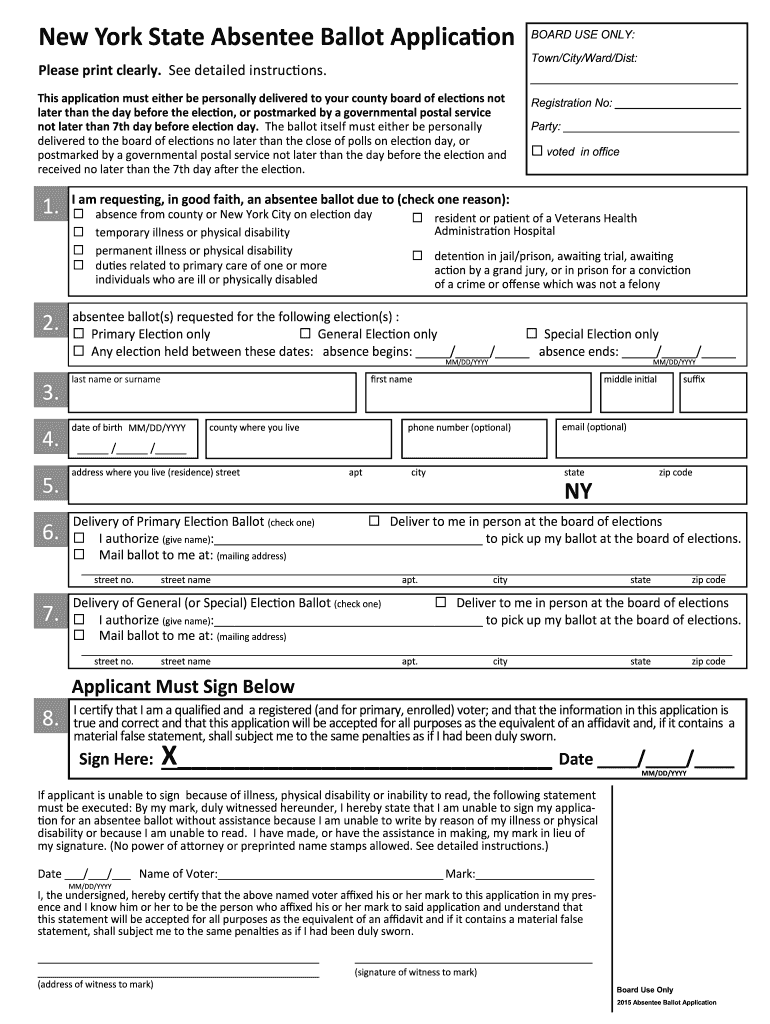







Definition and Meaning
A "ballot form sample" is a template or example of a ballot used primarily in voting procedures. It serves to illustrate how voters may record their choices among options listed on a ballot. These forms can be used for practice or educational purposes, ensuring voters are familiar with the format they will encounter during an election. In the context of the United States, ballot forms are crucial in ensuring a transparent and organized election process, allowing voters to express their preferences clearly.
Purpose of Ballot Form Samples
- Educational Tool: Used to familiarize voters with the actual voting process.
- Practice Forms: Allow voters to practice marking their choices correctly.
- Training Resource: Useful for election officials and volunteers to guide voters during elections.
- Design Template: Helps election boards in designing the official ballots.
How to Use the Ballot Form Sample
Ballot form samples provide guidance on how electors can effectively use the official ballots during elections. By practicing with these samples, voters can avoid common mistakes and ensure that their votes are counted correctly.
- Review the Format: Familiarize yourself with the layout, including sections for candidate names and measures.
- Practice Marking Choices: Use a pen or pencil to mark your selections according to the instructions given — typically, filling in a bubble or checking a box.
- Understand the Instructions: Each sample may contain specific instructions, such as using specific marks or symbols to indicate selections.
- Ask Questions: If uncertain about any aspect of the ballot, reach out to election officials for clarification.
Steps to Complete the Ballot Form Sample
Completing a ballot form sample involves understanding the layout and accurately marking your preferences. Here are the steps involved:
- Obtain a Sample: Acquire a ballot form sample from your local election office or their website.
- Read Instructions Carefully: Ensure you understand how to mark your choices correctly.
- Mark Your Selections: Use the appropriate marking tool (e.g., black pen) and fill in your choices as per instructions.
- Review Your Choices: Double-check your entries to confirm that your selections reflect your intentions.
- Practice Submission (if applicable): If the sample includes submission instructions, practice how to fold and submit the ballot according to guidelines.
Key Elements of the Ballot Form Sample
Understanding the critical components of a ballot form sample can help voters navigate the actual ballot during an election.
- Candidate Listings: Names of individuals running for office.
- Ballot Measures: Propositions or questions on policies or bonds that voters must decide on.
- Instructions Section: Information on how to mark the ballot properly.
- Signature Lines: Authenticates the voter's identity in some cases.
- Submission Guidelines: May include folding instructions and where to submit the completed ballot.
Legal Use of the Ballot Form Sample
Ballot form samples must be used within the legal framework set by state and federal election boards. These samples are not official ballots and shouldn't be submitted as votes.
- Educational Context: Ensure samples are used solely for education and training.
- Authenticity Verification: Samples should be clearly marked as examples to prevent any misuse.
- Election Preparedness: Facilitate voter understanding of the voting process without infringing on actual election procedures.
State-Specific Rules for the Ballot Form Sample
Election laws and procedures vary from state to state, influencing the format and use of ballot form samples.
- Format Differences: States may have unique designs and instructions on their ballots.
- Legal Requirements: Some states have specific rules about sample distribution.
- Voter Guides: Many states provide official voter guides that include sample ballots to help educate voters.
Who Typically Uses the Ballot Form Sample
Various groups utilize ballot form samples to prepare for elections, each with distinct purposes.
- Voters: Use samples for practicing and understanding ballot completion.
- Election Officials: Employ samples for training and testing official processes.
- Educational Institutions: Integrate samples into courses about government and civic responsibilities.


How to Obtain the Ballot Form Sample
Access to ballot form samples is generally straightforward, with multiple methods available for procurement.
- Local Election Offices: Visit your county's election office or website to download or request a sample.
- Official State Websites: Many states provide downloadable samples through their official election websites.
- Community Groups: Civic organizations may distribute samples during voter education events.
- Libraries and Community Centers: Some public spaces offer samples as part of voter information resources.
Important Terms Related to the Ballot Form Sample
Understanding terminology associated with ballot form samples enhances comprehension and usage efficacy.
- Absentee Ballot: A ballot submitted by a voter unable to be present at the polls.
- Provisional Ballot: Used when there are questions about voter eligibility and only counted once eligibility is confirmed.
- Election Day: The designated day when voting occurs either in person or through submitted absentee ballots.
- Polling Place: A location where voters go to cast their votes in person.
Examples of Using the Ballot Form Sample
Illustrating how different groups use ballot form samples can clarify their utility and importance.
- High School Civics Classes: Teachers might incorporate samples into lessons on voting and citizenship.
- Community Workshops: Groups conducting voter registration drives often use samples as a teaching aid.
- Election Simulations: Universities may hold mock elections, using samples to simulate the voting experience.
- Public Information Booths: Government agencies might demonstrate the voting process using samples at community events.




