
US Civil Litigation Forms

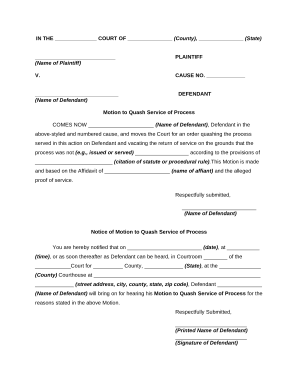
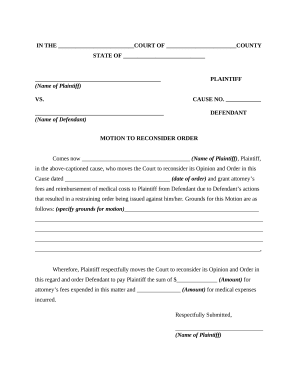
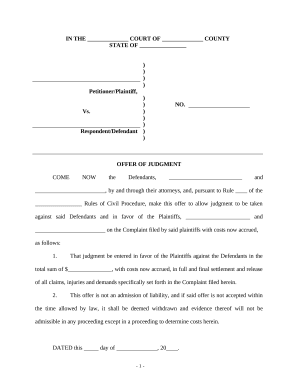
Improve your output with US Civil Litigation Forms
Form management occupies to half of your office hours. With DocHub, it is simple to reclaim your time and improve your team's efficiency. Get US Civil Litigation Forms collection and check out all templates relevant to your daily workflows.
Easily use US Civil Litigation Forms:
- Open US Civil Litigation Forms and use Preview to obtain the suitable form.
- Click Get Form to start working on it.
- Wait for your form to upload in our online editor and start editing it.
- Add new fillable fields, icons, and pictures, modify pages order, etc.
- Fill your form or prepare it for other contributors.
- Download or deliver the form by link, email attachment, or invite.
Boost your daily file management with the US Civil Litigation Forms. Get your free DocHub profile today to discover all forms.
Commonly Asked Questions about US Civil Litigation Forms
What is the burden of proof in a civil case?
In a civil lawsuit, the burden of proof rests on the plaintiff or the person filing the suit. The plaintiff should prove that the allegations are true and that the defendant, or the other party, caused damages. When it comes to establishing a civil case, the plaintiff must usually do so by a preponderance of evidence.
What are the three most common types of civil cases?
The three most common civil cases are tort claims, contract bdocHubes and landlord/tenant issues. Tort Claim - An act committed by one person that causes harm to another. Tort cases can take many different forms, and can relate to a persons personal safety, safety of their property, and financial security.
How to file a civil lawsuit in California?
A general civil lawsuit starts when the plaintiff files 3 forms. A Summons is a notice that says there is a lawsuit. A Complaint is a form that says how the person was hurt, who hurt them and how much the damages are. A Civil Coversheet tells the court about the type of case you are filing.
What is the American civil litigation process?
Civil lawsuits generally proceed through distinct steps: pleadings, discovery, trial, and possibly an appeal. However, parties can halt this process by voluntarily settling at any time. Most cases settle before docHubing trial. Arbitration is sometimes another alternative to a trial.
What is the process of civil litigation in the United States?
The Basics The plaintiff files a complaint to initiate a lawsuit. The defendant files an answer to the complaint. The judge will issue a scheduling order laying out a timeline for important dates and deadlines, including when the trial will take place. The parties engage in discovery.
How litigation is conducted in the United States?
Each side has an opening statement, then the Plaintiff presents its case followed by the Defendant presenting its case. The parties use witnesses and documents to prove their case and each witness, after testifying, may be cross examined by the counsel for the other side.
What is a civil case cover sheet?
Tells the court some basic information about a case being filed. Filed at the beginning of all civil cases except family law cases. Get form CM-010. Effective: January 1, 2024.