Supercharge your output with Legal Motions in Criminal Cases

Form managing occupies to half of your business hours. With DocHub, you can easily reclaim your office time and boost your team's productivity. Access Legal Motions in Criminal Cases online library and explore all document templates related to your everyday workflows.

Effortlessly use Legal Motions in Criminal Cases:

  1. Open Legal Motions in Criminal Cases and apply Preview to find the suitable form.
  2. Click Get Form to start working on it.
  3. Wait for your form to open in the online editor and begin editing it.
  4. Add new fillable fields, icons, and images, change pages order, etc.
  5. Fill your document or set it for other contributors.
  6. Download or share the form by link, email attachment, or invite.

Improve your everyday document managing using our Legal Motions in Criminal Cases. Get your free DocHub profile right now to explore all forms.


Video Guide on Legal Motions in Criminal Cases management

video background

Commonly Asked Questions about Legal Motions in Criminal Cases

MENU Steps in the Federal Criminal Process Investigation. Charging. Initial Hearing / Arraignment. Discovery. Plea Bargaining. Preliminary Hearing. Pre-Trial Motions. Trial.
Knowing what to expect at each stage can help you make better decisions for your case and give you some peace of mind during this difficult time. How does the criminal justice system work? Arrest. Initial appearance. Bail/bond hearing. Pretrial conference. Trial. Sentencing. Appeal.
Q-Chat Trial Initiation. Trial begins. Jury Selection. Members of the jury are chosen. Opening Statements. The prosecutor or defense attorney describing the facts they are going to present during the trial to prove the case. Presentation of Evidence. Closing Arguments. Judges Charge to the Jury. Jury Deliberations. Verdict.
The following are the basic steps: investigation, arrest, prosecution, indictment / information, arraignment, pretrial detention / bail, plea bargaining, trial, sentencing, appeals, punishment / rehabilitation.
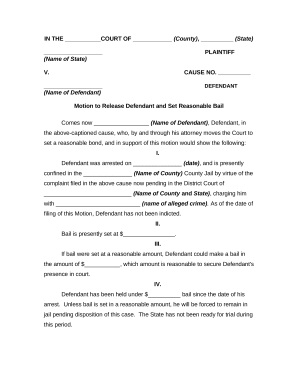
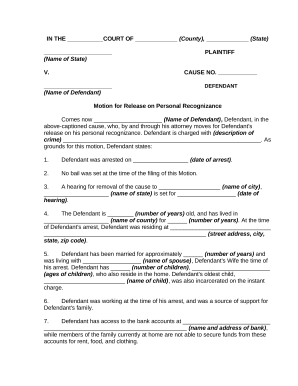
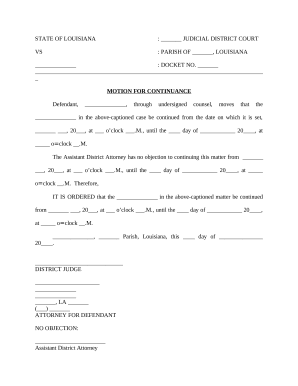
Among the most common pre-trial motions include: Motion to Suppress: This motion attempts to restrict certain statements and evidence from being introduced as evidence at trial. Motion to Discover. Motion to Dismiss: An attempt to get the judge to dismiss a charge or case altogether.
Criminal Trial: 8 Main Stages Step 1: Arrest. A criminal case starts when a person is arrested for the crime. Step 2: Bail. Step 3: Arraignment. Step 4: Preliminary hearing. Step 5: Pre-trial conference. Step 6: Jury trial. Step 7: Sentencing. Step 8: Appeal.
Types of Legal Motions in California Law Commonly used motion types in the state of California include motions to compel discovery, motions to dismiss, motions for summary judgment, and motions in limine.
A motion is a written request made to the court, asking the judge to issue an order. The motion must be supported by evidence.