
Legal Discovery

Louisiana motion discovery
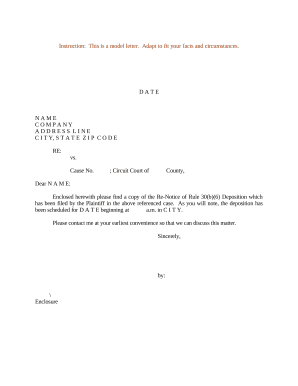
Notice deposition
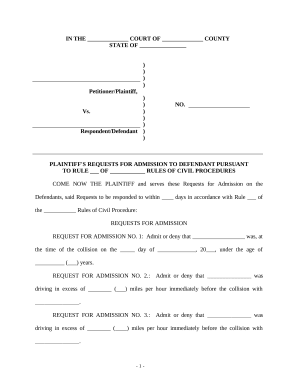
Auto accident

Interrogatories
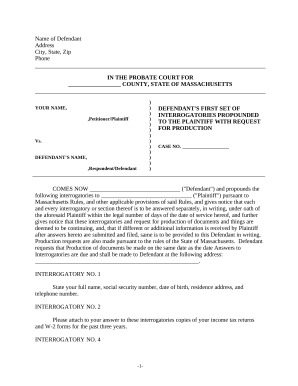
Discovery Interrogatories from Defendant to Plaintiff with Production Requests - Massachusetts
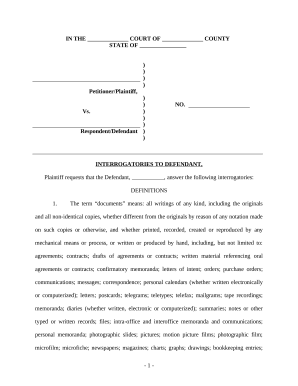
Interrogatories defendant injury
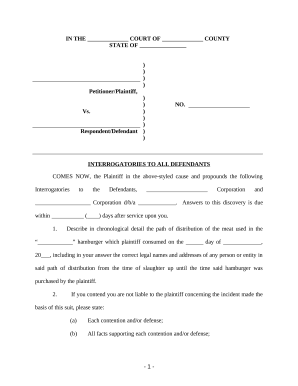
Interrogatories personal injury sample
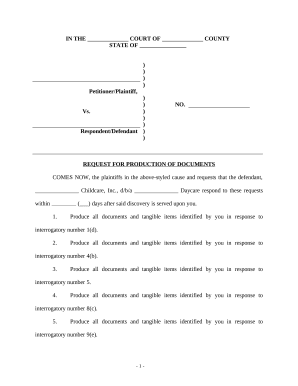
Request production documents
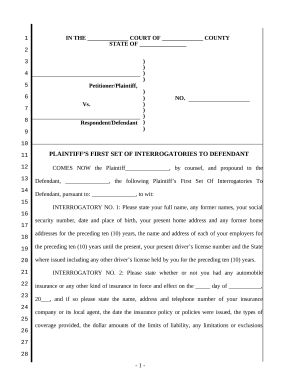
First set interrogatories
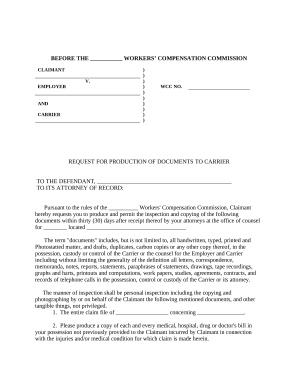
Production of documents
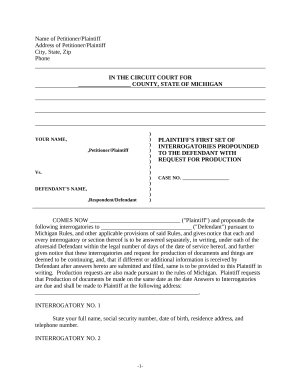
Interrogatories
Transform your document management with Legal Discovery
Your workflows always benefit when you can discover all the forms and documents you will need on hand. DocHub offers a a large collection document templates to relieve your everyday pains. Get hold of Legal Discovery category and quickly find your document.
Begin working with Legal Discovery in a few clicks:
- Open Legal Discovery and get the form you require.
- Click Get Form to open it in the editor.
- Begin adjusting your document: add more fillable fields, highlight sentences, or blackout sensitive information.
- The app saves your modifications automatically, and once you are all set, you can download or share your file with other contributors.
Enjoy easy form managing with DocHub. Explore our Legal Discovery online library and locate your form today!
Video Guide on Legal Discovery management

Commonly Asked Questions about Legal Discovery
What are the three types of discovery?
Disclosure is accomplished through a methodical process called discovery. Discovery takes three basic forms: written discovery, document production, and depositions.
What is the legal description of discovery?
Discovery has been defined as the pre-trial devices that can be used by one party to obtain facts and information about the case from the other party in order to assist the partys preparation for trial.
What are the three purposes of discovery?
You use discovery to find out things like: What the other side plans to say about an issue in your case. What facts or witnesses support their side. What facts or witnesses support your side.
What is the most common form of discovery?
Steps in a Trial It s designed to prevent trial by ambush, where one side doesn t learn of the other side s evidence or witnesses until the trial, when there s no time to obtain answering evidence. One of the most common methods of discovery is to take depositions.
What is the process of discovery?
General Information: Discovery is the formal process by which the parties to a case in court exchange information about the case. This includes information about the witnesses and evidence to be presented at trial. Its purpose is to make the parties aware of the evidence which may be presented at trial.
How many types of discovery are there?
The Six types of Discovery in Civil Litigation Cases: Written depositions, Interrogatories, Requests for production or permit inspection, Physical or mental examinations, and.
What does legal term discovery mean?
Discovery is how you gather the evidence you will need to prove your case as plaintiff, or defeat the plaintiffs case as a defendant. You use discovery to find out things like: What the other side plans to say about an issue in your case. What facts or witnesses support their side.
What are the three parts of discovery?
The three primary types of discoveryinterrogatories, requests for production of documents, and depositionsplay pivotal roles in uncovering facts, clarifying issues, and preparing for trial. Moreover, each method offers unique avenues for gathering evidence and insights essential for building a robust legal strategy.