
Contract Law - Page 2
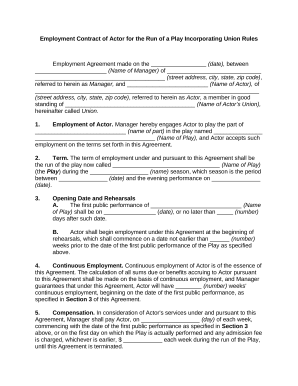
Contract of
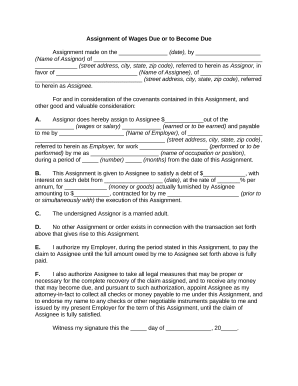
Assignment or
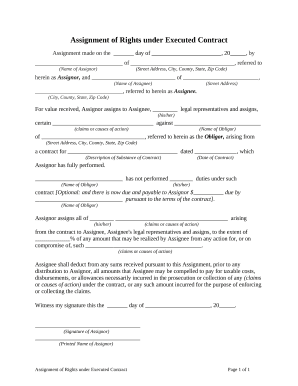
Executed contract
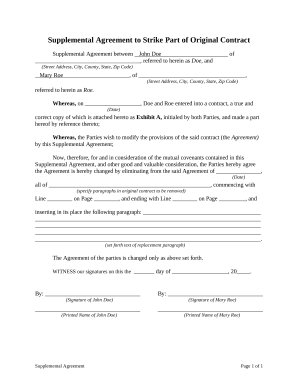
Agreement original contract
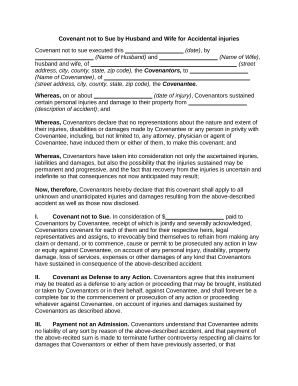
Covenant not sue

Sample letter legal

Breach contract payment
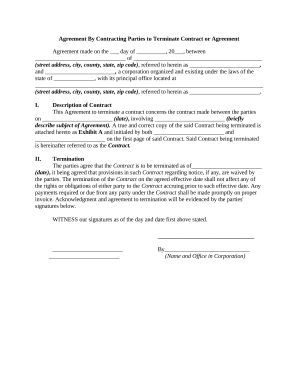
Cancel contract
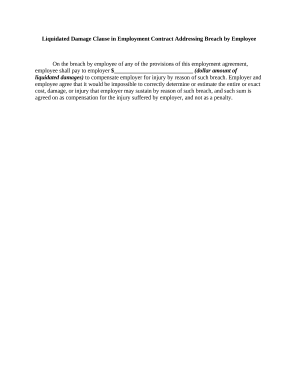
Damage breach
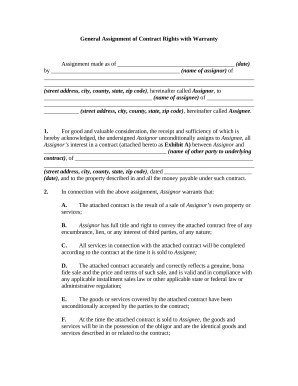
General assignment
Construction form legal

Agreement invention
Security agreement contract

Intention terminate
Insurance contract
Agreement contractor general
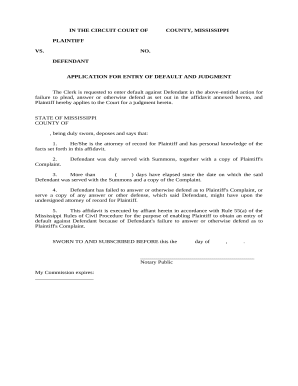
Application for Entry of Default Judgment - Mississippi

Complaint for Injunctive Relief, Breach of Contract and Fiduciary Duty - Mississippi
- 1
-
2
Enhance your efficiency with Contract Law
Record management consumes to half of your business hours. With DocHub, it is possible to reclaim your time and effort and boost your team's efficiency. Get Contract Law online library and discover all templates relevant to your day-to-day workflows.
Effortlessly use Contract Law:
- Open Contract Law and employ Preview to find the suitable form.
- Click on Get Form to begin working on it.
- Wait for your form to open in the online editor and start modifying it.
- Add new fillable fields, symbols, and images, change pages, etc.
- Complete your template or prepare it for other contributors.
- Download or share the form by link, email attachment, or invite.
Improve your day-to-day document management with the Contract Law. Get your free DocHub account today to explore all forms.
Video Guide on Contract Law management

Commonly Asked Questions about Contract Law
What are the six elements of a contract law?
Every contract, whether simple or complex, is considered legally enforceable when it incorporates six essential elements: Offer, Acceptance, Awareness, Consideration, Capacity and Legality. It is critical that all six elements are presentjust one missing element can make a contract invalid and unenforceable.
What is the most basic rule of contract law?
A contract is an agreement between parties, creating mutual obligations that are enforceable by law. The basic elements required for the agreement to be a legally enforceable contract are: mutual assent, expressed by a valid offer and acceptance; adequate consideration; capacity; and legality. contract | Wex | US Law | LII / Legal Information Institute LII / Legal Information Institute Wex LII / Legal Information Institute Wex
What are the 5 rules of contract law?
To that end, several key elements constitute contract formation; contract law is shaped by considerations of public policy, and parties involved, such as the offeror, must be aware of these legal principles. Those elements are offer, consideration, acceptance, and mutuality.
What are the 4 principles of contract law?
For a contract to be legally binding, and therefore enforceable, it needs to satisfy four principles: offer, acceptance, consideration and the intention to create legal relations.
What are the 4 rules of contract law?
The basic elements required for the agreement to be a legally enforceable contract are: mutual assent, expressed by a valid offer and acceptance; adequate consideration; capacity; and legality.
What are the 5 pillars of contract law?
Every contract, whether simple or complex, is considered legally enforceable when it incorporates six essential elements: Offer, Acceptance, Awareness, Consideration, Capacity and Legality. The 6 Essential Elements of a Contract - blog the-6-essential-eleme blog the-6-essential-eleme
What are the 5 Cs of contract law?
To ensure you have a legally binding contract, there are five essential elements that must be present in any contract: offer, acceptance, consideration, intention and capacity. What Are The 5 Essential Elements Of A Contract? - oboloo oboloo what-are-the-5-essential-elements-o oboloo what-are-the-5-essential-elements-o
What are the 5 principles of a contract?
The key elements of contract law include offer, acceptance, consideration, intention to create legal relations, and certainty of terms. Contract Law: Principles, Consideration, Cases | StudySmarter StudySmarter explanations contract StudySmarter explanations contract
Related Templates

Michigan uniform undergraduate guest application fillable

Alaska Community Health Aide Program - AKCHAP - akchap
The document outlines the procedures for reviewing Patient Encounter Forms (PEFs) used by Community Health Aides/Practit ...

To download the transcript request form - California Southern - calsouthern
The document is a transcript request form for California Southern University, detailing the necessary information requir ...

Jeff temps
The document is an authorization request form from the Department of Human Resources for temporary help. It includes sec ...
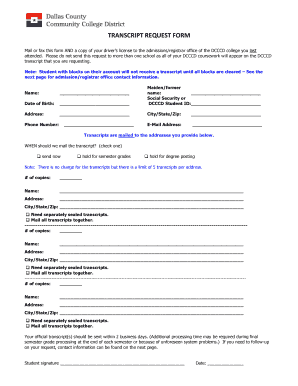
Dcccd transcript request
The document is a Transcript Request Form for students of the DCCCD colleges, detailing the process to request official ...

2020 NACS Supplier Member Committee Interest Form
The document is a form for the 2020 NACS Supplier Member Committee Interest, requiring submission by November 13, 2019. ...
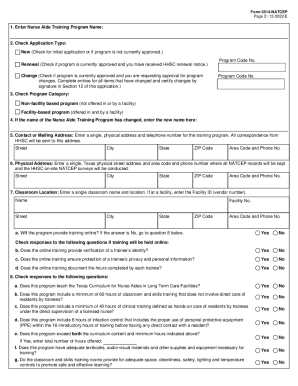
Form 5514-NATCEP, Application for Nurse Aide Training and Competency Evaluation Program (NATCEP)
Form 5514-NATCEP, Application for Nurse Aide Training and Competency Evaluation Program (NATCEP)
The document is an application form for the Nurse Aide Training and Competency Evaluation Program (NATCEP) in Texas, out ...