




Here's how it works
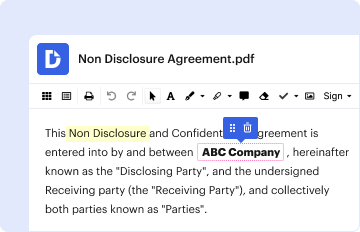
01. Edit your omma waste log online
Type text, add images, blackout confidential details, add comments, highlights and more.
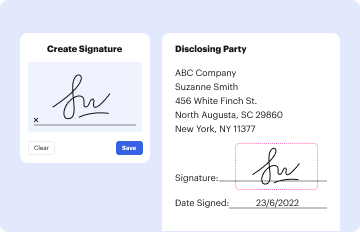
02. Sign it in a few clicks
Draw your signature, type it, upload its image, or use your mobile device as a signature pad.

03. Share your form with others
Send omma waste disposal form via email, link, or fax. You can also download it, export it or print it out.
How to use or fill out cannabis waste management procedures with our platform

- Click ‘Get Form’ to open the cannabis waste management procedures document in the editor.
- Begin by entering your Business Name and Application Type, followed by the Primary Contact Name, Email, and Phone Number in the designated fields.
- In Section 1, describe how cannabis waste is generated, stored, and managed within your licensed premises. Be thorough to ensure compliance.
- For Section 2, identify the type of solid waste facility for transporting cannabis waste. Select from options like landfill operation or composting facility.
- In Section 3, detail your procedures for securing cannabis waste receptacles and restricting access. This is crucial for regulatory adherence.
- Continue through each section methodically, providing detailed responses as required. Use additional pages if necessary.
- Finally, ensure you sign and date the application at the end before submitting it through our platform.
Start using our platform today to streamline your cannabis waste management procedures efficiently!
Fill out cannabis waste management procedures online
It's free
It's free
See more cannabis waste management procedures versions
We've got more versions of the cannabis waste management procedures form. Select the right cannabis waste management procedures version from the list and start editing it straight away!
| Versions | Form popularity | Fillable & printable |
|---|---|---|
| 2018 | 4.8 Satisfied (111 Votes) |
Got questions?
We have answers to the most popular questions from our customers. If you can't find an answer to your question, please contact us.
Contact us
What are the 4 steps of waste disposal?
There are four types of waste management: landfill, incineration, recycling, and composting.
What are the processes of waste disposal?
Methods of Waste Disposal Landfill. In this process, the waste that cannot be reused or recycled are separated out and spread as a thin layer in low-lying areas across a city. Incineration. Waste Compaction. Biogas Generation. Composting. Vermicomposting. Further Reading:
What are the 5 key steps for the proper handling of hazardous waste?
Inspect all hazardous waste areas weekly. Document and fix any concerns. Respond to spills. Clean up and dispose of properly. Maintain structures and containment and safety equipment.
What do dispensaries do with old products?
California: In California, cannabis waste must be rendered unusable and unrecognizable before disposal. Dispensaries can mix cannabis waste with other types of waste, such as food or yard waste, to achieve this. Detailed records of the disposal process are required to ensure compliance with state regulations.
What procedures should be followed when dealing with hazardous waste?
5 simple steps disposing of hazardous business waste Step 1: Classify your waste to check if its hazardous. Step 2: Separate and store hazardous waste safely. Step 3: Use an authorised waste carrier to collect, recycle or dispose of your hazardous waste.
Security and compliance
At DocHub, your data security is our priority. We follow HIPAA, SOC2, GDPR, and other standards, so you can work on your documents with confidence.
Learn more


People also ask
What are the procedures for disposing of waste?
waste disposal wastewater-treatment plantWastewater-treament plants remove chemical or biological waste from water. sanitary landfillBulldozer spreading a layer of refuse within a sanitary landfill. hazardous-waste landfillSchematic diagram of a secure hazardous-waste landfill with a double leachate collection system.
Is cannabis considered a hazardous material?
In other words, marijuana is considered a hazardous cannabis waste. This is because THC is still federally illegal and is classified as a Schedule I controlled substance. This type of cannabis waste can sometimes be aggregated with other materials until it becomes unusable and unrecognizable.
What are the procedures for waste disposal?
Types of Waste Disposal Landfill. Landfilling involves depositing waste in low-lying areas where it is compacted and covered with layers of soil. Incineration. Incineration is the controlled burning of waste to reduce its volume by up to 90%. Waste Compaction. Biogas Generation. Composting. Vermicomposting.