




Here's how it works
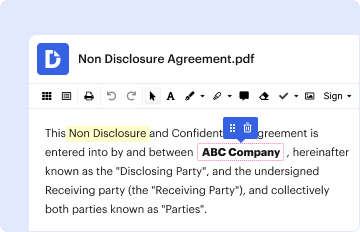
01. Edit your parent signature online
Type text, add images, blackout confidential details, add comments, highlights and more.
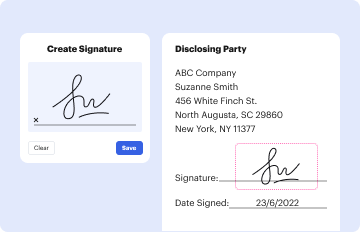
02. Sign it in a few clicks
Draw your signature, type it, upload its image, or use your mobile device as a signature pad.
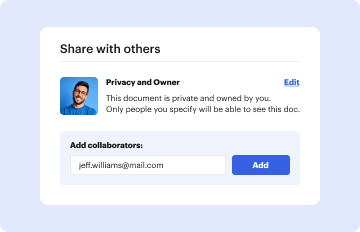
03. Share your form with others
Send kids club waiver via email, link, or fax. You can also download it, export it or print it out.
How to use or fill out Kids Club Waiver of Liability with our platform

- Click ‘Get Form’ to open the Kids Club Waiver of Liability in the editor.
- Begin by entering your child's name and birthdate in the designated fields. This information is crucial for identifying your child during their participation.
- List any injuries, illnesses, allergies, or medications in the provided section. This ensures that staff are aware of your child's specific needs.
- Fill out the Parent/Guardian Information section with your name, phone number, home address, email address, and an emergency contact's details.
- Review the Kid’s Club Policies carefully. Acknowledge each point to ensure you understand the requirements and guidelines for your child's participation.
- Finally, sign and date the waiver at the bottom. This confirms that you agree to the terms outlined in the document.
Start filling out your Kids Club Waiver of Liability today for free on our platform!
Fill out Kids Club Waiver of Liability online
It's free
It's free
See more Kids Club Waiver of Liability versions
We've got more versions of the Kids Club Waiver of Liability form. Select the right Kids Club Waiver of Liability version from the list and start editing it straight away!
| Versions | Form popularity | Fillable & printable |
|---|---|---|
| 2013 | 4.6 Satisfied (47 Votes) |
Got questions?
We have answers to the most popular questions from our customers. If you can't find an answer to your question, please contact us.
Contact us
Can I create my own waiver form?
The process of creating a waiver should be taken seriously. Waivers are legal documents that list specific terms for your participants to agree to, so its crucial that they are complete and legally sound. Professional help from a lawyer is strongly recommended any time you are working with legal documents.
Do liability waivers actually work?
Liability waivers are enforceable in California to the extent they immunize the defendant from ordinary negligence. Under California law, a liability waiver cannot excuse an injury caused by a defendants: gross negligence, recklessness, or.
What is a parental consent release and waiver of liability?
A parental release form is a document that a parent signs to release an organization from liability when their child participates in an activity. This form is typically required for events that involve a risk of injury, such as recreational sports, summer camps, and field trips.
What are the common mistakes on liability waivers?
Allowing employees to intimidate or coerce participants or customers into signing your liability waivers. A mistake that many businesses make is pressuring employees to get liability waivers signed.
Do waivers stop you from suing?
Once you sign a waiver, you still maintain the right to sue, since certain limitations exist. As discussed below, there are specific scenarios where a judge would fail to uphold a release of liability waiver. Malicious activity: If the defendant acted maliciously, the release of liability waiver cannot stand.
Security and compliance
At DocHub, your data security is our priority. We follow HIPAA, SOC2, GDPR, and other standards, so you can work on your documents with confidence.
Learn more


People also ask
What does a liability waiver cover?
A liability waiver form is a legal contract that educates one party about the risks associated with an activity. Once signed, it prevents the participant from opening a lawsuit against the company in the event of damage or loss, effectively shifting responsibility for injuries from the company to the customer.
Do liability waivers actually mean anything?
Liability waivers are meant to inform and protectnot excuse recklessness or cover up negligence. While these documents can be valid under the law, they are not immune to challenge. If youve been injured after signing a waiver, dont assume youve given up your rights.
What are the limitations of a liability waiver?
The Limitations of a Liability Waiver Under most circumstances, a liability waiver will not shield a business from claims related to negligence or unreasonably dangerous practices. Furthermore, some waivers may bar claims against the company but not against its owner or individual employees.