





Definition and Purpose of the Dog Owner Surrender Contract
The Dog Owner Surrender Contract serves as a formal agreement outlining the terms and conditions under which an individual voluntarily relinquishes ownership of their dog to an animal rescue organization or humane society. This contract is essential for ensuring clear communication and legal compliance between the pet owner and the receiving organization.
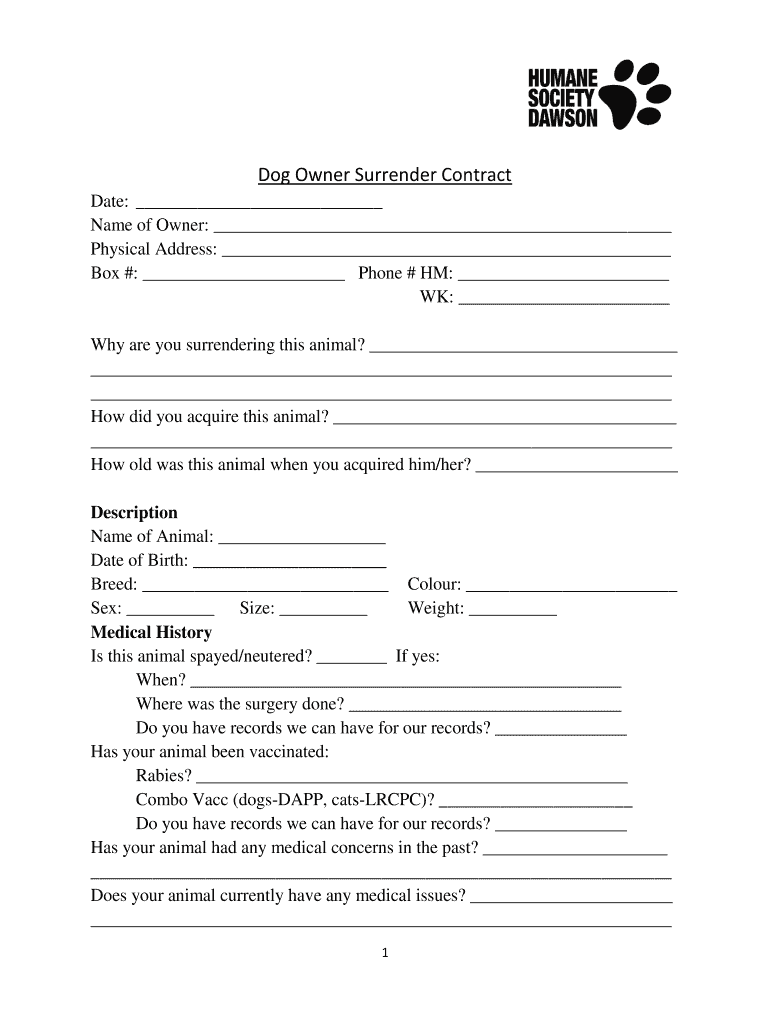
The contract typically includes sections detailing the owner's personal information, the reasons for surrendering the dog, an animal description, and its medical history. The inclusion of these details not only aids the humane society in providing proper care for the animal but also helps potential adopters understand the dog's background. Furthermore, this contract may address any surrender fees associated with the process, ensuring that both parties are aware of any financial obligations.
By executing this document, pet owners officially transfer their rights and responsibilities regarding the dog to the humane society, thus releasing themselves from any future liability concerning the animal. This legal transfer is crucial for protecting both the surrendering party and the shelter from potential disputes.
Key Elements of the Dog Owner Surrender Contract
Understanding the elements that compose a Dog Owner Surrender Contract is fundamental for both parties involved. Here are the primary components typically included:
- Owner Information: This section captures essential data such as the owner's name, address, contact information, and any identifiers related to the dog being surrendered, including its name, breed, age, and any distinguishing features.
- Reason for Surrender: A candid description of why the owner is surrendering the dog. This may include factors such as financial hardship, behavioral issues, or changes in living circumstances.
- Medical and Behavioral History: Information regarding the dog’s vaccinations, medical conditions, and any known behavioral issues is crucial for the receiving organization to provide appropriate care and support.
- Surrender Fees: If applicable, details regarding fees required during the surrender process are included. These fees may support the shelter’s operational costs and animal care.
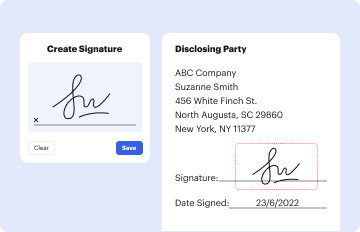
The contract typically concludes with a section for the owner's signature, affirming their understanding of the terms and conditions, as well as the transfer of ownership.
Step-by-Step Process for Completing the Dog Owner Surrender Contract
Completing the Dog Owner Surrender Contract involves several structured steps to ensure accuracy and comprehension. Here is a detailed guide:
-
Gather Required Information: Collect details about both the dog and the owner. This includes identification documents, vaccination records, and any pertinent medical history.
-
Access the Form: Obtain a copy of the Dog Owner Surrender Contract from a licensed animal shelter or humane society, or download a reliable template from an online resource.
-
Complete the Owner Information Section: Fill in the owner’s personal details accurately, ensuring that all contact information is current and correct.
-
Detail the Reasons for Surrender: Provide a clear explanation of the circumstances leading to the decision to surrender the dog. Honesty in this section can facilitate better care for the dog.
-
Document Medical and Behavioral History: Accurately report any relevant health issues or behavioral traits. This transparency is vital for the dog's future adoption prospects.
-
Review and Sign the Contract: Read through the entire document to ensure all information is correct. Once verified, the owner must sign and date the contract to execute the surrender officially.
-
Submit the Contract: Finally, submit the signed contract to the receiving organization, abiding by any additional guidelines they may provide.
Following these steps helps to ensure a smooth process for both the owner and the humane society receiving the dog.
Common Scenarios for Using the Dog Owner Surrender Contract
Various situations may necessitate the use of a Dog Owner Surrender Contract, highlighting its relevance across different circumstances:
-
Relocation: Many owners surrender their dogs due to moving to a new residence that does not allow pets, making it imperative to find a caring environment for their animal.
-
Financial Hardship: Unexpected financial struggles, such as job loss or medical expenses, can lead to the difficult decision of surrendering a pet to ensure its well-being.
-
Behavioral Issues: Dogs that exhibit challenging behavioral traits may be surrendered if owners feel ill-equipped to manage these issues. Providing this context in the contract can help the humane society support the animal effectively.
-
Health Issues of the Owner: Owners facing significant health challenges may wish to surrender their dogs, desiring to ensure they receive proper care and attention.
Each of these scenarios exemplifies why the Dog Owner Surrender Contract is essential, facilitating the transition of responsibility compassionately and legally.
Legal Considerations Surrounding the Dog Owner Surrender Contract
Using a Dog Owner Surrender Contract has crucial legal implications that both owners and humane societies must understand. The legality of this document establishes the framework for transferring ownership and outlines the responsibilities of both parties. Key points include:
-
Transfer of Ownership: Once the contract is signed, the original owner relinquishes all rights and responsibilities for the dog. This legal transfer protects the humane society from liability for any future issues related to the animal.
-
Liability Waiver: The document often includes a clause that releases the original owner from any liability for the dog’s behavior post-surrender, safeguarding them from potential legal claims.
-
Confidentiality: Many contracts ensure that personal information about the surrendering owner and their dog remains confidential, thus protecting their privacy.
-
Compliance with Local Laws: The contract should comply with state-specific animal welfare laws which can vary widely. Understanding state regulations regarding animal surrender is essential for both parties to ensure legal and ethical handling of the situation.
Awareness of these legal aspects is vital for any owner considering surrendering their pet, ensuring all actions taken are compliant with relevant laws.
Examples of How to Effectively Use the Dog Owner Surrender Contract
Real-world scenarios often illustrate the practical application of the Dog Owner Surrender Contract. Here are a few examples:
-
Case Study: Relocation Due to Employment: A family, having to move across state lines for a job opportunity, uses the surrender contract to relinquish their dog to a local humane society. The owner clearly states their reason in the contract, allowing the shelter to find the dog an appropriate new home with potential adopters who are familiar with the breed's needs.
-
Case Study: Financial Hardship: An individual facing acute financial adversity utilizes the Dog Owner Surrender Contract to surrender their pet. They provide extensive medical history, aiding the humane society in assessing the dog's needs. This information helps to expedite the dog's care and rehoming.
-
Case Study: Behavioral Concerns: An owner experiencing difficulty managing their dog's aggressive behavior submits a surrender form detailing these issues. The humane society uses this information to develop a behavioral rehabilitation plan, increasing the likelihood of successful adoption down the line.
These examples highlight the importance of thorough documentation within the contract, ensuring each dog receives the specific care it requires based on its unique circumstances.