




01. Edit your jib crane inspection checklist online
Type text, add images, blackout confidential details, add comments, highlights and more.

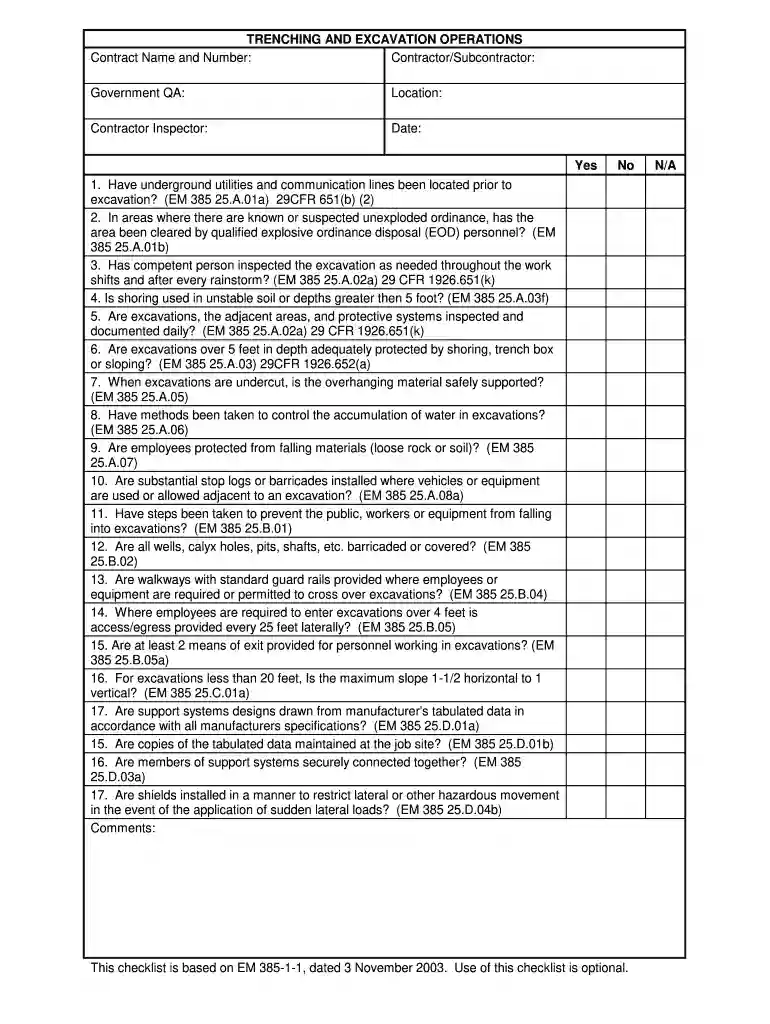
Type text, add images, blackout confidential details, add comments, highlights and more.

Draw your signature, type it, upload its image, or use your mobile device as a signature pad.

Send jib crane daily inspection checklist via email, link, or fax. You can also download it, export it or print it out.
A jib crane inspection checklist is a vital tool used to assess the safety and functional integrity of jib cranes before operation. Jib cranes are types of cranes that consist of a horizontal member, known as the jib or arm, which supports a hoist. This checklist serves to ensure compliance with safety standards and operational efficiency, thereby minimizing the risk of accidents and equipment failure.
The checklist typically includes several critical components that evaluate the crane’s condition, such as:
Regular use of the jib crane inspection checklist helps maintain a safe operating environment while ensuring the longevity and reliability of the equipment.
The jib crane inspection checklist is composed of several essential elements that guide operators and safety inspectors in assessing functionality and compliance. These elements help identify potential areas of concern and ensure that all critical aspects of the crane are evaluated thoroughly.
Pre-Operation Safety Features:
Physical Inspection of Components:
Operational Checks:
Maintenance and Repair Records:
Training and Compliance Documentation:
By systematically evaluating these key elements, a thorough inspection can be conducted, significantly reducing the likelihood of operational failures and enhancing the overall safety of crane use.
Completing the jib crane inspection checklist involves a systematic approach to evaluating safety and operational functionality. This step-by-step process helps ensure no aspect is overlooked during the inspection.
Gather Necessary Documentation:
Conduct a Visual Inspection:
Test Operational Features:
Record Findings:
Report and Address Issues:
Following this structured approach not only ensures compliance but also fortifies workplace safety by proactively addressing issues before they lead to operational risks.
Understanding the importance of the jib crane inspection checklist is crucial for maintaining a safe work environment. Regular inspections help identify risks before they become serious issues that might result in accidents or costly repairs.
Enhancing Safety: Regular inspections reduce the risk of accidents related to equipment failure, protecting operators and nearby personnel.
Compliance with Regulations: Following a rigorous inspection protocol ensures compliance with OSHA and other regulatory standards, avoiding potential fines and legal issues.
Prolonging Equipment Life: Timely detection of wear and maintenance needs contributes to the longevity of the crane, saving costs on replacements and extensive repairs.
Boosting Productivity: Reliable equipment that is routinely maintained leads to fewer breakdowns, which translates into enhanced productivity on job sites.
By prioritizing the inspection checklist and regular assessments, organizations can create safer working conditions while optimizing their operational efficiency.
The jib crane inspection checklist is utilized by a variety of professionals involved in crane operations and safety management. Understanding who employs this checklist can highlight its significance and impact on safety standards.
These groups play a pivotal role in the safe use of jib cranes, and their adherence to the inspection checklist facilitates a culture of safety and compliance within organizations that rely on such equipment.


We've got more versions of the jib crane inspection checklist form. Select the right jib crane inspection checklist version from the list and start editing it straight away!
| Versions | Form popularity | Fillable & printable |
|---|---|---|
| 2003 | 4.1 Satisfied (47 Votes) |
At DocHub, your data security is our priority. We follow HIPAA, SOC2, GDPR, and other standards, so you can work on your documents with confidence.
Turn completed form in to supervisor at the end of each week. Control / brakes. Visibility. Load rating charts. Unusual noises when running. Fleeting sheave.Read more
Jul 1, 2007 checklists for each type of scheduled inspection. Make copies of the Maintenance Inspection Report to use for each inspection. StoreRead more
Lets explore the main items you should see on a crane inspection checklist. 1. Visual Inspection of Structural Components. The cranes mainframe, boom, jib,Read more


