




01. Edit your grounds maintenance checklist template online
Type text, add images, blackout confidential details, add comments, highlights and more.

Type text, add images, blackout confidential details, add comments, highlights and more.

Draw your signature, type it, upload its image, or use your mobile device as a signature pad.

Send apartment groundskeeper daily checklist via email, link, or fax. You can also download it, export it or print it out.
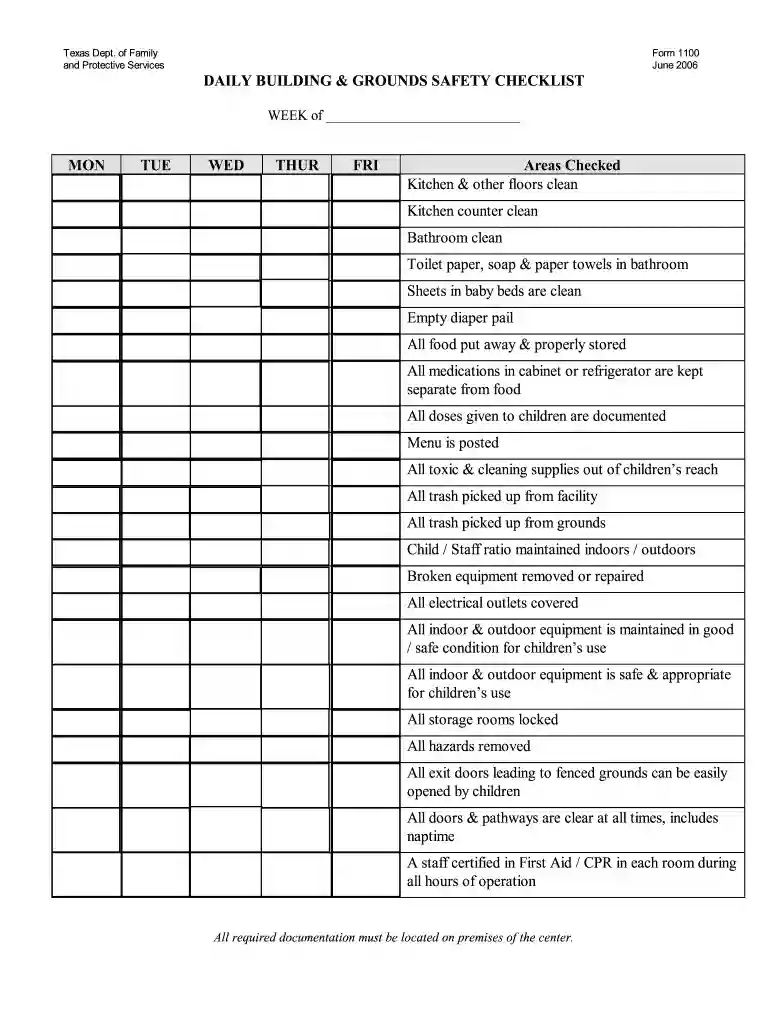
The daily building and grounds checklist is a comprehensive document used to ensure that maintenance standards and safety protocols are met within a facility. This checklist serves as a vital tool, especially in settings such as schools, healthcare facilities, commercial buildings, and properties managed by apartment groundskeepers. It typically includes the assessment of various areas, including cleanliness, safety hazards, equipment functionality, and compliance with local regulations.
Key components generally included in the checklist are:
This document is essential for maintaining not only aesthetic standards but also the safety and welfare of occupants and visitors.
Understanding the key elements of the daily building and grounds checklist is crucial for effective implementation. These elements provide a structured approach to monitoring and maintaining both the interior and exterior of a facility.
Area Inspections: The checklist typically categorizes areas for inspection, which can include:
Safety Protocols: Essential safety measures may include:
Maintenance Standards: This section might cover:
Waste Management: Addressing proper waste disposal practices, including:
Documentation: Accurate record-keeping allows for:
Completing the daily building and grounds checklist involves a systematic approach that ensures all critical areas are assessed. Here are the recommended steps:
The daily building and grounds checklist is utilized by various professionals across different sectors. Key users include:
Each of these professionals plays a crucial role in upholding safety and quality standards within their respective environments.


The daily building and grounds checklist is essential for several reasons:
By implementing the daily building and grounds checklist, organizations can ensure a well-maintained, safe, and welcoming environment for all.
Different states may impose specific requirements and regulations regarding maintenance checklists. Understanding these nuances is crucial for compliance. For instance:
It is essential for facilities managers to familiarize themselves with their state’s specific guidelines to ensure compliance.
Implementing a daily building and grounds checklist can yield various real-world benefits. Some examples include:
These examples underscore the effectiveness of the checklist in promoting safety, compliance, and overall operational excellence.
We've got more versions of the grounds maintenance checklist template form. Select the right grounds maintenance checklist template version from the list and start editing it straight away!
| Versions | Form popularity | Fillable & printable |
|---|---|---|
| 2006 | 4.8 Satisfied (131 Votes) |
Sign in to your DocHub account and add your daily building maintenance checklist to our editor using one of its upload options - from your device, cloud storage, secure URL, or your DocHub folders if you have already managed your document before. Open our editor, click the Sign button in the top toolbar, and choose your signing method. You can use a picture of your handwritten signature, draw it, enter your name, or utilize a QR code as an alternative.
You may easily complete, edit, and even eSign your daily building and grounds checklist utilizing DocHub. Create a new profile and start your free trial. After that, you may upload the document with the form and simply make all the needed edits. No need to print on paper or use a third-party application to sign it, as you can put your electronic signature on your document quicker via DocHub.
At DocHub, your data security is our priority. We follow HIPAA, SOC2, GDPR, and other standards, so you can work on your documents with confidence.
Scheduled periodic inspections to identify unsafe conditions and work practices are supervisor requirements per Cal OSHA Title 8.Read more
Apr 14, 2026 The following tables list available quests in a non-chronological order. Raiders may encounter and complete these quests in different sequencesRead more
Form 1100, Daily Building and Grounds Checklist. Instructions for Opening a Form. Some forms cannot be viewed in a web browsers PDF viewer.Read more


