




Here's how it works
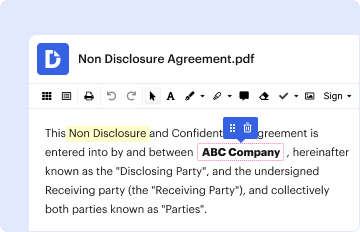
01. Edit your camp medication administration form online
Type text, add images, blackout confidential details, add comments, highlights and more.
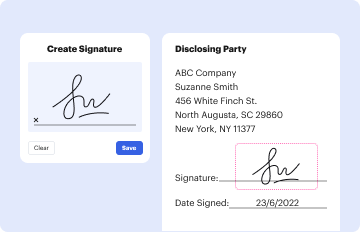
02. Sign it in a few clicks
Draw your signature, type it, upload its image, or use your mobile device as a signature pad.

03. Share your form with others
Send asthma medication administration form 2022 2023 via email, link, or fax. You can also download it, export it or print it out.
How to use or fill out camp medication administration form with our platform

- Click ‘Get Form’ to open the camp medication administration form in the editor.
- Begin by entering your child's full name at the top of the form. This ensures that all medications are correctly associated with your child.
- In the 'Parents Printed Name' section, clearly print your name. Follow this by signing in the 'Parent Signature' field to grant permission for medication administration.
- Provide an emergency contact number where you can be reached during camp hours.
- List any allergies your child has and describe their reactions in the designated area. This is crucial for ensuring your child's safety.
- Fill out the 'MEDICATION' section with each medication's name, ensuring they are in original containers as specified.
- Indicate when each medication should be taken by circling the appropriate times for each day of the week.
- Finally, review all entries for accuracy before saving or sharing the completed form.
Start using our platform today to easily fill out and manage your camp medication administration form for free!
Fill out camp medication administration form online
It's free
It's free
See more camp medication administration form versions
We've got more versions of the camp medication administration form form. Select the right camp medication administration form version from the list and start editing it straight away!
Got questions?
We have answers to the most popular questions from our customers. If you can't find an answer to your question, please contact us.
Contact us
Can you be on medication in boot camp?
Generally, medications not prescribed to you by the military are not allowed while in basic training.
What are the forms of medication administration?
Drug administration can be: oral, which is when a person swallows a drug. intraocular, or into the eye. intraotic, or into the ear. nasal, or through the nose. sublingual, or under the tongue. buccal, between the gums and the mouth cheek. inhaled through the respiratory system.
What are the 7 routes of medication administration?
What are the drug routes of administration? oral, which is when a person swallows a drug. intraocular, or into the eye. intraotic, or into the ear. nasal, or through the nose. sublingual, or under the tongue. buccal, between the gums and the mouth cheek. inhaled through the respiratory system.
What are 5 ways of administering medications?
Technique or Treatment Intravenous Route. A tourniquet may be used over the intended site for the intravenous medication to make the vein more visible and easier to access. Intramuscular Route. Subcutaneous Route. Route. Vaginal Route. Inhaled Route.
What are 5 different forms of medication?
Types of medicines Liquid. The active part of the medicine is combined with a liquid to make it easier to take or better absorbed. Tablet. The active ingredient is combined with another substance and pressed into a round or oval solid shape. Capsules. Topical medicines. Suppositories. Drops. Inhalers. Injections.
Security and compliance
At DocHub, your data security is our priority. We follow HIPAA, SOC2, GDPR, and other standards, so you can work on your documents with confidence.
Learn more


People also ask
How to fill out a medication reconciliation form?
Fill in all the blanks on the form that apply to you. List all medications and the physician(s) who prescribed them. Include any vitamins, herbal supplements, or over-the-counter medicines. Write neatly so that others can read your form.
How do you document administration of medication?
The following are examples of information to include on the MAR: Month and year that the Medication Administration Record represents. Date order was given, and date and time medication was administered. Initial of the person transcribing the order. Initial of the person giving the medication.
What is a medication administration form?
You can use a Medication Administration Record (MAR) to help you keep track of every dose that the individual you support takes or misses for whatever reason. A MAR includes key information about the individuals medication including, the medication name, dose taken, special instructions and date and time.