Definition & Meaning of the Education and Employment Form
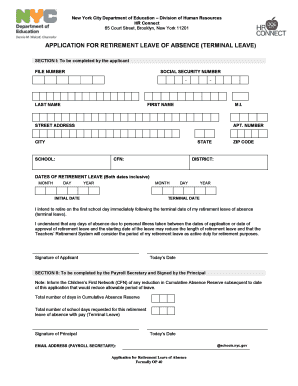
The education and employment form serves as a formal document aimed at collecting essential information about an individual's educational background and work history. This form is particularly crucial in contexts such as immigration applications, job applications, and background checks, as it helps organizations and government entities assess the qualifications and suitability of an applicant.
Key Components of the Form
- Personal Information: Typically includes name, date of birth, and contact details.
- Educational Background: Requires details of educational institutions attended, degrees earned, and dates of attendance.
- Employment History: Involves listing previous employers, job titles, and dates of employment.
- Certification Statement: A declaration affirming that the provided information is accurate and complete.
The education and employment form ensures that all necessary information is captured systematically, supporting various decision-making processes.
Steps to Complete the Education and Employment Form
Filling out the education and employment form effectively is crucial to ensure that all required information is accurately reported. The following steps outline the process:
-
Gather Necessary Documentation:
- Collect transcripts or diplomas for educational history.
- Prepare pay stubs or tax documents for employment verification.
-
Fill in Personal Information:
- Enter your full name, address, and contact information on the form.
- Include your Social Security number if required.
-
Detail Your Educational Background:
- List each institution attended with corresponding dates.
- Specify the degrees earned or certifications obtained and provide documentation if necessary.
-
Document Employment History:
- Include the name of each employer, job titles, and dates of employment.
- Add a brief description of job responsibilities for each position to provide context.
-
Review and Verify:
- Double-check all entered information for accuracy and completeness.
- Ensure that the certification statement is signed and dated to verify authenticity.
Following these steps will help facilitate a smooth review process, reducing the chance of delays or requests for additional information.
Important Terms Related to the Education and Employment Form
Understanding the terminology associated with the education and employment form is beneficial for ensuring clarity and compliance. Here are some key terms:
- ESIGN Act: Federal law that grants electronic signatures legal standing, crucial for signing the form online.
- Fillable Fields: Interactive sections of the form where users can input information directly.
- Data Privacy: Important consideration regarding how personal information is collected and stored.
- Verification Process: Steps taken by employers or agencies to confirm the accuracy of the provided information.
Familiarity with these terms can enhance understanding and help applicants navigate the form more efficiently.
Legal Use of the Education and Employment Form
The education and employment form must be completed and used in accordance with legal standards. Violations could result in implications such as misrepresentation or fraud. Ensuring legal compliance involves:
- Truthful Declaration: All information must be accurate, as false claims could jeopardize applications or employment.
- Data Security: Protect personal information by utilizing secure platforms for form submission.
- Compliance with Employment Laws: Understanding that employers cannot discriminate based on race, gender, or other protected characteristics when reviewing the form.
By adhering to these principles, applicants can safeguard their interests while ensuring that their submissions remain valid and legitimate.
Application Process & Approval Time for Education and Employment Forms
Applications that require the education and employment form typically follow a structured process. Understanding this process can help set realistic expectations regarding approval timelines.
General Application Steps
- Submission: Complete and submit the form online or via mail, depending on the requirements of the specific application.
- Processing: Once submitted, the relevant authority or employer will begin reviewing the application and verifying the provided information.
- Communication: Expect updates or requests for additional information via email or mail during the review process.
- Approval Notification: Applicants will receive formal communication regarding the status of their application, including any approvals or denials.
Timeline Considerations
- Immediate Review: Some employers may provide quick feedback within a few days.
- Extended Processing: In cases of background checks or application verification, the process may take several weeks.
Being patient and monitoring communication during this period is essential for a successful application experience.