




Here's how it works

01. Edit your form online
Type text, add images, blackout confidential details, add comments, highlights and more.
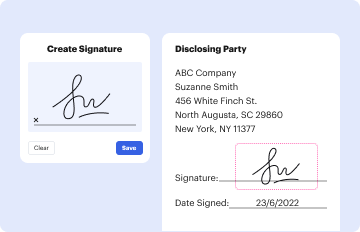
02. Sign it in a few clicks
Draw your signature, type it, upload its image, or use your mobile device as a signature pad.

03. Share your form with others
Send it via email, link, or fax. You can also download it, export it or print it out.
How to use or fill out OCCUPATIONAL THERAPY ADULT INTAKE FORM NEW PATIENT INFORMATION with our platform

- Click ‘Get Form’ to open the OCCUPATIONAL THERAPY ADULT INTAKE FORM in the editor.
- Begin by entering the date at the top of the form. Fill in your name, date of birth, and age in the designated fields.
- Indicate your sex by selecting either 'Female' or 'Male'. Next, provide your home and cell phone numbers along with your address.
- Complete the section regarding the person filling out the form, including their relationship to you and contact information.
- Fill out your marital status and provide details about others living in your home. Include employment information and primary care physician details.
- Proceed to emergency contact information, relevant medical history, social history, and any therapy history as prompted throughout the form.
- Review all sections for accuracy before saving or submitting. Utilize our platform's features to easily edit any mistakes.
Start filling out your OCCUPATIONAL THERAPY ADULT INTAKE FORM today for free using our platform!
Fill out OCCUPATIONAL THERAPY ADULT INTAKE FORM NEW PATIENT INFORMATION online
It's free
It's free
See more OCCUPATIONAL THERAPY ADULT INTAKE FORM NEW PATIENT INFORMATION versions
We've got more versions of the OCCUPATIONAL THERAPY ADULT INTAKE FORM NEW PATIENT INFORMATION form. Select the right OCCUPATIONAL THERAPY ADULT INTAKE FORM NEW PATIENT INFORMATION version from the list and start editing it straight away!
| Versions | Form popularity | Fillable & printable |
|---|---|---|
| 2014 | 4 Satisfied (39 Votes) |
Got questions?
We have answers to the most popular questions from our customers. If you can't find an answer to your question, please contact us.
Contact us
What does a patient intake form look like?
A medical intake form should include fields for personal information, medical history, past surgeries, genetic factors, and current symptoms. It may also include sections for allergies, medications, and previous treatments.
What is included in an intake form?
An effective intake form should include contact information, personal information (such as age, gender, occupation), detailed questions about the reason for seeking services, goals, and any relevant medical or background information. It should also include consent and privacy statements.
How do I create a therapy intake form?
Essential components of an effective therapy intake form Patient demographics: Basic information such as name, age, gender, and contact details. Medical history: Including past medical conditions, surgeries, and allergies. Reason for seeking therapy: Understanding the patients primary concerns and goals for treatment.
What is the new patient intake process?
Patient intake is the process through which healthcare organizations collect demographic, social and clinical data, consent forms, insurance, payments and other key pieces of information from new and returning patients prior to their visit.
What 5 forms of information should clients be provided with in an intake?
What 5 forms of information should clients be provided with in an intake? Scope. Clearly outline the legal services the firm will provide, including specific tasks and objectives related to the clients case. Fee structure. Billing. Client responsibilities. Confidentiality and communication.
Security and compliance
At DocHub, your data security is our priority. We follow HIPAA, SOC2, GDPR, and other standards, so you can work on your documents with confidence.
Learn more


People also ask
What should be on a patient intake form?
This form typically includes sections on personal details, medical history, insurance information, lifestyle factors, and the reason for the visit. This is a crucial tool for gathering data that helps diagnose, treat, and manage patients effectively.
What is the intake assessment for adult therapy?
A general intake assessment covers basic information such as contact details, medical history, family history, education, relationships, and work history. This information helps mental health professionals understand the clients background and identify any factors affecting their mental health or treatment.