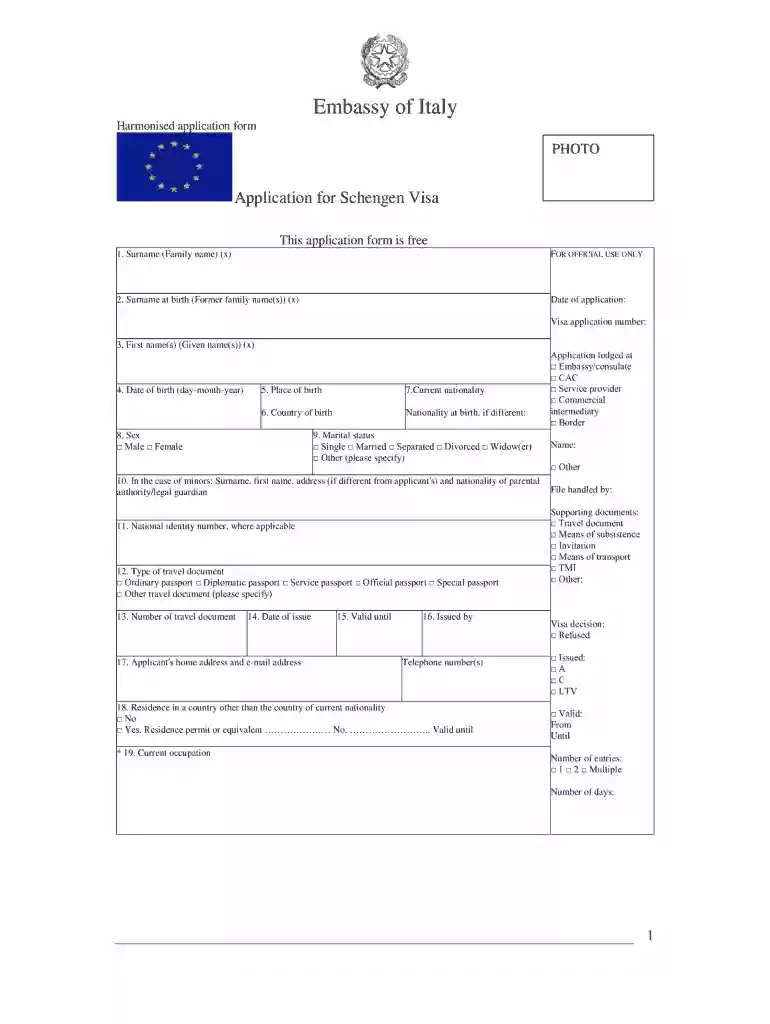
Does a US citizen need anything to enter Italy?
Americans must have an entrance visa which should be obtained at an Italian consulate before coming to Italy, in order to remain in Italy more than three months and gain resident status. This procedure will take several weeks to complete so it is advisable to apply well in advance of the departure date.
Is ETIAS mandatory now?
No, ETIAS (European Travel Information and Authorisation System) is not required right now; it is scheduled to start operating in the last quarter of 2026, so no action is needed from travelers at this moment, but it will become mandatory for citizens from visa-exempt countries (like the US, UK, Canada, Australia) visiting Europe after the launch. Once live, its an online pre-travel authorization, not a visa, for short stays in the Schengen Area. Key Points: Launch Date: Expected in late 2026 (Q4). Current Status: Not in operation; no applications are being accepted. Who Needs It: Citizens from over 60 visa-exempt countries (e.g., USA, Canada, UK, Australia, Japan). What It Is: An online travel authorization, required before travel to Schengen countries. Action Needed Now: None; wait for the official launch announcement. AI can make mistakes, so double-check responsesOverview of ETIAS Requirements for TravelersOverview of ETIAS Requirements for Travelers. ETIAS Requirements: Everything You Need to Know Before Traveling to Europe. (Image cETIAS.comFrequently asked questions - ETIAS - Travel to EuropeAbout ETIAS travel authorisation. When does ETIAS enter into force? The European Travel Information and Authorisation System (ETIATravel to Europe
Do I need an ETIAS to travel to Italy in 2026?
Yes, if you are a citizen of a visa-exempt country (like the US, Canada, UK, Australia) and plan to visit Italy (part of the Schengen Area) in late 2026 or 2027, you will need an ETIAS (European Travel Information and Authorization System) travel authorization for short stays, as it becomes mandatory for visa-free travelers entering Europe starting late 2026/early 2027, following the Entry/Exit System (EES) implementation. This is an electronic pre-screening, not a visa, and will be required for entry to Schengen countries like Italy, linked to your passport. Key Details for 2026 Travel to Italy: When: ETIAS is set to launch in late 2026 (around Q4), with a transition period where it might not be strictly enforced initially, but will become mandatory. Who: Citizens from over 59 visa-exempt countries, including Americans, need it. What: An electronic authorization for short stays (up to 90 days in 180) in the Schengen Area (which includes Italy). How: An online application process, linked to your passport, with a 7 fee. Why: Its a new security measure for the EU. Action for Your 2026 Trip: Check Official Sources: Keep an eye on the Travel-Europe.europa.eu website for the final dates and instructions as 2026 approaches. Apply Early: Once operational, apply well before your trip to avoid border issues. AI can make mistakes, so double-check responsesOverview of ETIAS Requirements for TravelersIf you previously entered Europe without a visa, you will now need an ETIAS. A full list of eligible countries is below: Albania. ETIAS.comEuropean Travel Information and Authorisation System (ETIAS) Travel with ETIAS * Fill in the application. * Pay EUR 20 application fee. * Get your travel authorisation. * Travel to Europe. *Travel to Europe
Does the US need a visa for Italy?
No, U.S. citizens do not need a visa for short stays in Italy (or other Schengen countries) for tourism or business for up to 90 days within a 180-day period, but your passport must be valid for at least three months beyond your planned departure, and you need sufficient funds and a return ticket; a visa is required for longer stays (over 90 days) or for purposes like work or study. For Stays Up to 90 Days (Tourism/Business): Passport: Must be valid for at least three months beyond your intended departure date. No Visa Needed: You can enter for tourism or business without a visa. Required Items: You should have proof of sufficient funds and a return or onward ticket. Schengen Area: Italy is part of the Schengen Area, so this rule applies across most of Europe. For Stays Over 90 Days or Other Purposes (Work, Study, Residency): Visa Required: You must obtain a long-stay (National) visa from an Italian consulate in the U.S. before traveling. Permesso di Soggiorno: Upon arrival in Italy, you must apply for a residence permit (permesso di soggiorno) within eight working days. Upcoming Change (ETIAS): Starting in late 2025, U.S. citizens will need an electronic travel authorization (ETIAS) for short stays, similar to the U.S. ESTA, but it is not a visa. AI can make mistakes, so double-check responsesItaly Travel Advisory | Travel.State.gov Tips from the U.S. embassy * U.S. citizens can stay in Italy for 90 days without a tourist or business visa. * Pickpocketing is cU.S. Department of State (.gov)Travelling to Europe (ETIAS) - EEAS - European UnionApr 14, 2025 No. If you are a U.S. citizen, you only need your passport and no other documentation to enter the following European EEAS
How do I get an ETIAS for Italy?
Step-by-Step Process to Apply for ETIAS Step 1: Access the Official ETIAS Website. To begin, visit the official ETIAS portal. Step 2: Complete the ETIAS Application Form. Step 3: Pay the ETIAS Application Fee. Step 4: Submit Your Application and Wait for Processing. Step 5: Receive and Use Your ETIAS Authorization.