




Definition and Meaning
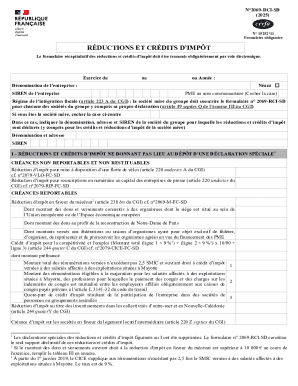
The Capital Gains Tax Declaration Form CGT3 is a document used to declare transactions involving capital gains. Capital gains arise from the sale or transfer of assets such as land, buildings, or marketable securities. Specifically, the CGT3 form identifies items that are either exempt or not subject to capital gains tax. This form is crucial for ensuring proper compliance with tax laws by recording transaction details and declaring any gains or losses.
-
Exemption Categories: The form distinguishes between transactions exempt from capital gains tax and those that still qualify under tax regulations.
-
Transfer Details: It requires specifics about asset transfers, including both the transferor and transferee information, along with property descriptions.
Steps to Complete the Capital Gains Tax Declaration Form CGT3
-
Gather Personal and Property Information: Begin by collecting all necessary details such as your Tax Identification Number (PIN), contact information, and registration details of property involved.
-
Identify Exempt Transactions: Use the form to specify which elements of your transaction are exempt from taxation, referencing the listed categories of exemptions.
-
Provide Transfer Details: Accurately fill in the sections detailing the nature of the asset, year acquired, and date of transfer.
-
Declare the Transfer Value: Calculate and record the transfer value of the property. This includes the compensation or consideration received for the asset's transfer.
-
Sign and Date the Form: Conclude by signing and dating the document to confirm the authenticity and accuracy of the information provided.
-
Submit the Form: Finally, submit the completed form to the nearest tax office, ensuring its duplication for personal records.
Key Elements of the Capital Gains Tax Declaration Form CGT3
-
Transferor and Transferee Identification: It’s vital to specify the names and identifiers of the parties involved in the transaction to maintain a clear record.
-
Exemptions and Exclusions: The form lists various exemptions, such as the transfer of personal residences under certain conditions or specific categories of shares.
-
Transaction Details: Clear information about the nature of the transfer, including property type and compensation value is required to determine eligible capital gains.
Required Documents
To properly submit the Capital Gains Tax Declaration Form CGT3, the following documents may be needed:
-
Proof of Property Ownership: Legal documents showing ownership and history related to the asset being transferred.
-
Transfer Agreement: Copies of any sales contracts or agreements detailing the terms and conditions of the property transfer.
-
Identification Documents: Valid ID proof, which could include driver's licenses or passport copies.
-
Historical Financial Statements: Previous financial transactions or statements related to the capital asset may be necessary for context.
Penalties for Non-Compliance
Failure to accurately complete and submit Form CGT3 can result in several penalties:
-
Monetary Fines: Tax authorities might impose fines based on a percentage of unpaid capital gains tax or fixed statutory penalties.
-
Legal Consequences: Engaging in deliberate misrepresentation may lead to legal action, impacting an individual's or business's financial standing.
-
Denial of Exemptions: Incorrect reporting can result in the disallowance of claimed exemptions, leading to increased tax liabilities.
How to Obtain the Capital Gains Tax Declaration Form CGT3
Obtaining Form CGT3 can be straightforward if you follow these options:
-
Online Download: Many tax authority websites offer downloadable versions of the form for ease of access.
-
In-Person Collection: Visit local tax offices to collect physical copies or request one through their customer service.
-
Professional Services: Engage tax preparation services or tax consultants who can provide this form and assist in its completion.
Examples of Using the Capital Gains Tax Declaration Form CGT3
Consider real-world scenarios where Form CGT3 plays a crucial role:
-
Real Estate Sale: When an individual sells a property from a city classified as an urban area, they need to declare the transaction for tax purposes.
-
Inheritance and Estate Transfers: Beneficiaries managing estate assets of a deceased person must complete this form to clarify gains from transferred shares.
-
Corporate Asset Disposal: Firms disposing of machinery or property must register the capital gain details for compliance with corporate tax policies.
Important Terms Related to Capital Gains Tax Declaration Form CGT3
Understanding specific terminology is key when using Form CGT3:
-
Capital Gains: Refers to the profits earned from the sale or transfer of a capital asset, which may be subject to taxation.
-
Exemptions: Conditions under which specific transactions or parts thereof are excluded from capital gains taxation.
-
Transferee and Transferor: Parties involved in the asset transfer. The transferee acquires the asset, while the transferor disposes of it.
-
Consideration: The total compensation received for transferring an asset, typically crucial in calculating taxable amounts.
By thoroughly understanding these components, users of Form CGT3 can confidently navigate its requirements and ensure proper tax compliance.