





Definition and Meaning of Contrat de Travail à Durée Indéterminée
The "Contrat de travail à durée indéterminée" is a French employment contract for an indefinite period, often referred to simply as a permanent contract. This type of contract is widely used in France and represents a standard employment agreement that begins with a trial period and continues for an undisclosed length of time. It is designed to provide job security for employees, as it does not have a predefined end date. Within the United States context, similar agreements might be likened to those based on at-will employment but with distinct legal protections under French labor laws.
Features and Protections
- Job Security: Unlike fixed-term contracts, this form offers greater job security as it does not set an employment end date.
- Trial Period: Typically, the contract begins with a trial period, governed by Articles L.1221-19 to L.1221-26 of the French Labor Code, which sets the framework for employer and employee assessment.
- Termination Conditions: Termination can occur due to mutual agreement, resignation, or disciplinary actions. Each of these scenarios involves specific legal protocols in France.
How to Use the Contrat de Travail à Durée Indéterminée
Understanding the utilization of a Contrat de Travail à Durée Indéterminée is crucial for both employers and employees engaging in international work environments.
Guidelines for Employers
- Drafting the Contract: When drafting, include essential elements such as job description, remuneration, and working hours. The contract should adhere to French labor laws, ensuring compliance with Articles L.1221-1 and subsequent articles.
- Trial Period Implementation: Clearly define the trial period and criteria for its termination or extension. Provide transparent communication to the employee about expectations and evaluations.
Considerations for Employees
- Be aware of your rights under the contract and any variations that may arise based on negotiations.
- Understand the implications of the trial period, including performance expectations and review processes.
Key Elements of the Contrat de Travail à Durée Indéterminée
The foundational components of this permanent employment contract are vital to its enforceability and functionality in a professional setting.
Essential Clauses
- Identity of Parties: Clearly document the employer's and employee's details, including the employer's legal entity name.
- Job Responsibilities: A detailed description of duties and the position held within the company.
- Salary and Benefits: Outline compensation, benefits, and any bonus structures.
Rights and Obligations
- Both parties must adhere to obligations concerning work conditions, health, safety, and workplace conduct. Legal compliance is mandatory for enforcing the contract.
Legal Use of the Contrat de Travail à Durée Indéterminée
This contract holds several legal implications and protections that are unique to French employment law.
Compliance and Legal Framework
- French Labor Code: Integration of specific articles (L.1221-1 and following) is necessary to ensure legality under French jurisdiction.
- Legal Outlets for Disputes: In case of disagreements or disputes, resolution follows the legal procedures stipulated under French employment law.
Comparative Legal Analysis
- In the U.S., employment agreements tend to follow at-will principles, allowing for more flexibility in termination processes compared to the more structured approach seen in France.
Steps to Complete the Contrat de Travail à Durée Indéterminée
Successfully completing this contract involves several meticulous steps to fulfill both legal and practical requirements.
- Preparation: Gather all necessary information regarding job descriptions, terms of employment, and trial period specifics.
- Drafting: Create a document that includes all essential clauses, ensuring clarity and legal compliance.
- Review: Both parties should review and agree upon contract terms before signing.
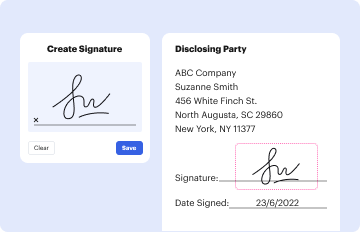
- Finalization and Signing: Secure signatures from both parties to formalize the employment agreement.
Important Considerations
- Consider both parties' right to request modifications or clarifications before signing.
- Factor in any industry-specific requirements for additional clauses pertinent to the role or sector.
Who Typically Uses the Contrat de Travail à Durée Indéterminée
While predominantly used in France, understanding the users of this contract can have broader implications for international business practices.

Common Users
- Multinational Corporations: Operating across borders may necessitate adopting varying types of employment contracts, including those protected under French law.
- French Subsidiaries in the U.S.: Subsidiaries of French companies situated in the United States might employ this contract when hiring French nationals for remote work or temporary assignments.

Employee Profile
- Typically involves a more experienced workforce looking for job security and long-term employment relationships under stable conditions.
Important Terms Related to Contrat de Travail à Durée Indéterminée
Grasping key legal and practical terms is vital for both employers and employees engaged with this contract type.
Commonly Used Terms
- Période d'essai (Trial Period): A temporary employment phase that allows both parties to evaluate the working relationship.
- CDI (Contrat à Durée Indéterminée): Common shorthand for this type of long-term employment contract used in legal and professional contexts.
- Résiliation (Termination): Legal cessation of the contract due to prescribed reasons, which must comply with articles from the Labour Code.
Digital vs. Paper Version
Shifts in technology have broadened possibilities for how the contract can be executed and managed.
Modern Execution Options
- Electronic Signatures: Legal in France and often more efficient for cross-border transactions. Platforms like DocHub offer facilities for secure electronic signatures that comply with regulations.
Benefits and Drawbacks
- Digital Convenience: Offers ease of use and integration with cloud-based systems, simplifying data storage.
- Data Security: Ensures protection through encryption and secure access protocols, safeguarding sensitive employee data.


