





Definition & Meaning
A "Reconnaissance de dette" is a legal document where one party acknowledges owing a specific sum of money to another. This form provides legal proof of the debt, ensuring both parties are clear on the financial obligation involved. Governed by Article 1376 of the French Civil Code, it mandates that the debtor writes the sum due themselves, ensuring personal accountability and clarity. Although the concept originates in French law, similar legal instruments are used globally, including the United States, where promissory notes serve a parallel function.
Practical Scenarios
- Personal Loans: Often used when lending money to friends or family, ensuring that the terms of repayment are clear and understood by both parties.
- Business Agreements: Allows businesses to formalize loans or credits extended to partners or other entities, ensuring financial stability and legal recourse if needed.
- Debt Settlements: Used in situations where an existing debt needs to be restructured or formalized, providing clear documentation of the agreed terms.
How to Use the Reconnaissance de Dette
The use of "Reconnaissance de dette" involves clearly stated terms outlining the debtor, creditor, amount owed, and repayment conditions. While traditionally requiring the debtor to write the document by hand, modern practices allow for typewritten or electronically signed versions, so long as legal compliance is maintained.
Key Steps
- Identification of Parties: Clearly identify both the debtor and the creditor with full names and contact information.
- Amount Specification: Write the exact debt amount in both numerical and written form.
- Repayment Terms: Include specific repayment conditions, such as deadlines, interest rates, and installment amounts.
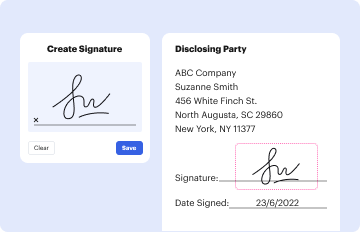
- Signatures: Both parties must sign the document, with the debtor's acknowledgment needed to validate it legally.
Important Terms Related to Reconnaissance de Dette
Understanding key terms associated with this document can enhance its effectiveness and clarity.
- Debtor: The person or entity acknowledging the debt and responsible for repayment.
- Creditor: The party to whom the debt is owed.
- Principal Amount: The original sum borrowed or owed, excluding any interest or additional fees.
- Interest Rate: Any interest that may apply, typically expressed as an annual percentage.
- Repayment Schedule: The outline of payment terms, including frequency and amounts.
Legal Use of the Reconnaissance de Dette
In the United States, similar forms to "Reconnaissance de dette," such as promissory notes, fall within the legal framework establishing obligations and ensuring enforceability.
Legal Considerations
- State Laws: Compliance with specific state regulations is necessary, as different states have unique rules governing debt acknowledgment.
- Enforcement: A properly executed document can be used in court to enforce debt repayment if the debtor defaults on their obligations.
- Authentication: Utilize notarization or digital signature platforms to authenticate the document, enhancing its legal standing.
Steps to Complete the Reconnaissance de Dette
Completing this document requires careful attention to detail to ensure its validity and enforceability.
- Draft the Document: Begin with an outline including all required elements — parties, amount, terms, and dates.
- Fill in Details: Include accurate information for each section, ensuring there is no ambiguity.
- Final Review: Both parties should review the document to confirm mutual understanding and agreement.
- Signatures: Ensure both the debtor and creditor sign the document; consider witness or notary publics to enhance validity.
Examples of Using the Reconnaissance de Dette
Various practical examples highlight the form's utility:
- Family Loan Documentation: When a family member lends money to another, formalizing the agreement in writing can prevent disputes.
- Business Credit Extensions: Companies offering credit to clients or partners can document this debt, supporting future accountability and repayment.
- Debt Consolidation: Individuals consolidating debts into a single manageable payment can use this document to outline new terms.
Key Elements of the Reconnaissance de Dette
Understanding the essential components ensures the form's effectiveness:
- Date of Issuance: Clearly note when the document is created, establishing it as a contemporaneous record of the agreement.
- Payment Options: Include specifics about acceptable payment methods, such as checks, bank transfers, or digital payments.
- Penalties for Late Payment: Outline any penalties or fees applicable if the debtor fails to make timely payments, providing additional incentive to adhere to terms.
Variations & Edge Cases
- Conditional Repayment Terms: Include conditions where the repayment may depend on specific events, such as a debtor's employment status.
- Adjustment Clauses: Allow flexibility for changes under agreed circumstances, such as significant financial hardship on the debtor's part.
Digital vs. Paper Version
In today's digital age, the choice between paper and electronic versions of "Reconnaissance de dette" influences convenience and legal standing.
Comparative Analysis
- Paper Versions: Traditionally used, offering a tangible record of the agreement, easily notarized for authentication.
- Digital Versions: Allow for quick creation and sharing, with e-signatures ensuring legality; suitable for remote or expedited processes.
Software Compatibility
Integration with platforms like DocHub can streamline the completion and signing process, ensuring efficiency and functionality.
- Editing Tools: Use online editors to modify document content without needing specialized software.
- E-Signatures: Platforms offering electronic signature capabilities provide legal legitimacy equivalent to handwritten signatures.
Required Documents
Comprehensive documentation is critical in creating a "Reconnaissance de dette."
Essential Documents
- Identity Proof: Personal identification for each party, establishing legitimacy and reducing the risk of fraud.
- Financial Statements: Details of the debt amount, interest, and repayment schedule, creating a clear financial picture for reference.
- Supporting Contracts: Referenced agreements or contracts backing the debt claim, ensuring transparency and completeness.
Additional Considerations
- Notarization Proof: For legally strengthened documents, a notary public's seal can add authenticity.
- Witness Statements: In cases where witnesses are used, their details and signatures should be included to support the document's veracity.