Definition & Meaning
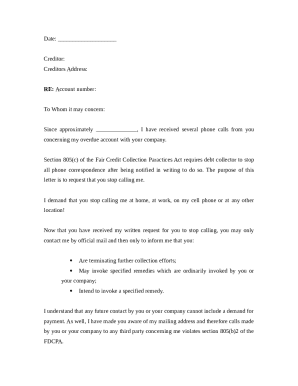
The Michigan Poverty Exemption Affidavit is a formal statement used by Michigan residents to request an exemption from property taxes due to financial hardship. It is issued under the authority of Public Act 206 of 1893 pursuant to MCL 211. The purpose of this affidavit is to provide relief to homeowners who cannot afford to pay property taxes on their primary residence. This document essentially serves as a testament of the individual's or family's financial status, declaring that their income level meets specific criteria set by local governing authorities.
Purpose and Utilization
The affidavit is specifically designed to aid qualifying low-income individuals or families by lessening their financial burden. By submitting this affidavit, applicants can potentially lower their taxable property value, thereby reducing or eliminating their property tax obligations for a particular period.
How to Use the Michigan Poverty Exemption Affidavit
User Guidelines
To effectively use the Michigan Poverty Exemption Affidavit, applicants must first understand the objectives of this document. It should be filled out to reflect accurate financial information that proves eligibility for property tax exemption. Ensure that every field is completed honestly, as providing false information could lead to penalties or denial of the request.
Submission Contexts
The affidavit is typically submitted to the local tax assessor's office in the jurisdiction where the property is located. It serves as a supplementary document to other tax filing requirements and is specifically for those seeking relief from property taxes based on income limitations.
Steps to Complete the Michigan Poverty Exemption Affidavit
Completing the Affidavit
- Personal Information: Begin by accurately filling out your personal details, including your full name, address of the property in question, and any other identification details as required.
- Financial Disclosure: Provide comprehensive financial information, including income, expenses, and any other relevant economic conditions that support your request for an exemption.
- Supporting Documents: Attach necessary documentation such as bank statements, pay stubs, or other financial records to substantiate the financial data provided.
- Sign and Date the Affidavit: Ensure that the affidavit is carefully reviewed before signing. By signing, you are certifying that the information is true to the best of your knowledge.
- Submit to Local Authorities: Submit the completed affidavit to the appropriate county tax assessor's office before the deadline specified by local rules.
Eligibility Criteria


Who Qualifies for the Affidavit?
Eligibility for the Michigan Poverty Exemption Affidavit is primarily based on income thresholds. Applicants typically must fall below certain income levels, which can vary by municipality. It is essential to check specific local requirements that define poverty level cutoffs.
Key Considerations
- Homeowners must occupy the property as their primary residence.
- The applicant should not have liquid assets exceeding a limit set by the local taxation authority.
- Age, disability, or other qualifying conditions may impact eligibility.
Important Terms Related to Michigan Poverty Exemption Affidavit
Glossary of Key Terms
- Primary Residence: The main home where the applicant resides.
- Tax Assessor: Local government official responsible for evaluating property values and managing tax exemptions.
- Income Threshold: The maximum allowable income that qualifies a person for the poverty exemption.
Clarifying Legal Jargon
Understanding these terms aids applicants in accurately interpreting the requirements and correctly completing the affidavit.
State-Specific Rules for the Michigan Poverty Exemption Affidavit
Michigan Legislation Impact
Michigan law mandates the criteria and processes for obtaining property tax exemptions. These rules can sometimes differ from federal regulations, emphasizing the need to study the specific requirements in your area.
Important Legal Provisions
- Public Act 206 of 1893 details the legal framework for property tax exemptions in Michigan.
- Local assessors have discretion in evaluating applications based on supporting documentation and adherence to income guidelines.
Filing Deadlines / Important Dates
Critical Timelines
Filing deadlines for the Michigan Poverty Exemption Affidavit can vary across municipalities, but it is generally required to be submitted before the start of the tax year in question. Always verify the exact deadline with your local tax assessor.
Scheduling Submissions
To avoid missing the deadline, applicants should prepare their financial documentation in advance and consult with local tax assessment offices regarding any changes in scheduling or eligibility requirements.
Required Documents
Essential Documentation
Applicants must prepare copies of financial statements, tax returns, and additional proofs of income. These documents provide the factual basis for evaluating financial hardship.
Documentation Tips
- Ensuring all documents are current and accurate will expedite the application process.
- Double-check that all attached paperwork is legible and properly organized.
Software Compatibility
Digital and Paper Versions
You can complete the Michigan Poverty Exemption Affidavit either digitally or using a paper form. Many individuals find the digital version more convenient due to integration capabilities with software like DocHub, TurboTax, and QuickBooks.
Benefits of Digital Submissions
- Ease of Access: Digital forms can often be directly downloaded and edited in compatible software.
- Automation: Certain fields may auto-calculate or verify data, reducing the risk of error.