




Definition & Meaning
A Service Order Template is a crucial document that organizes and formalizes service delivery information between service providers and clients. Its primary purpose is to outline the specifics of services to be performed, such as the type of service, duration, cost, and any other relevant details required to complete the transaction efficiently. It serves as a binding agreement detailing responsibilities, expectations, and deliverables, ensuring both parties have a clear understanding of the scope of work. This helps prevent miscommunications and ensures that both provider and client have a mutual understanding of terms.
Key Elements of the Service Order Template
The structure of a Service Order Template typically includes several essential elements to ensure completeness and clarity. These components are vital for the document's functionality and compliance with service standards. Key elements include:
- Service description: A detailed explanation of the service to be provided, specifying what is included and any limitations.
- Timeline: Information about service duration, including start and end dates.
- Pricing: Clearly defined costs, incorporating any taxes, fees, or other charges.
- Client and provider details: Contact information for both parties, including names, addresses, and other necessary identifiers.
- Terms and conditions: Legal clauses outlining the agreement's terms, cancellation policies, and dispute resolution mechanisms.
These elements help structure the document in a way that it not only serves operational purposes but also has legal standing in disputes.
Steps to Complete the Service Order Template
Completing a Service Order Template involves several key steps to ensure accuracy and legality. Each step must be performed meticulously:
- Read and understand the template: Familiarize yourself with the template's sections and requirements.
- Fill in client and service provider information: Include accurate contact details and identification numbers where applicable.
- Describe the service thoroughly: Provide a comprehensive description of the services, expected outcomes, and any service level agreements if applicable.
- Specify the timeline and schedule: Indicate start and end dates, including any deadlines or milestones.
- Outline pricing and payment terms: Ensure all costs are accounted for, noting any payment terms and conditions.
- Review terms and conditions: Clearly define any legal terms, including responsibilities, liabilities, and dispute resolution processes.
- Double-check accuracy: Review the completed form for any errors or omissions before proceeding to signatures.
Following these steps ensures the template is filled out correctly and is ready for validation by both parties.
Important Terms Related to Service Order Template
Comprehending the terminology in a Service Order Template is crucial for effective utilization and legal compliance. Some important terms include:
- Scope of Work (SOW): A detailed description of tasks, timelines, and deliverables expected from the service provider.
- Service Level Agreement (SLA): A commitment between a service provider and client on the standard of service.
- Deliverables: The tangible or intangible outputs provided to the client following the completion of services.
- Force Majeure: A clause that frees both parties from liability in case of unforeseen circumstances preventing contract fulfillment.
- Indemnity: A provision in which one party agrees to compensate the other for any harm or loss arising from the contract.
Understanding these terms helps users navigate the document with greater effectiveness and guards against potential misunderstandings.
Who Typically Uses the Service Order Template
The use of a Service Order Template is prevalent across various industries and sectors. Typically, it is utilized by:
- Service-based companies: Such as IT service providers, consultancy firms, and maintenance contractors who frequently engage clients on a project basis.
- Freelancers and consultants: Independent professionals providing specialized services often rely on templates to formalize agreements.
- Corporate clients: Businesses that hire service providers to perform both short-term and long-term projects require these templates for internal processing and approval.
- Facility management: Teams responsible for maintaining corporate facilities benefit from using these templates to manage vendor services.
These users leverage the document to maintain clear communication, mitigate risks, and ensure service quality.

Digital vs. Paper Version
The preference between digital and paper versions of a Service Order Template often depends on organizational practices and technological capabilities.
- Digital versions: Offer flexibility with easy editing and sharing capabilities. They can be integrated with digital signing tools for electronic signatures, improving workflow efficiency.
- Paper versions: Traditionally used in institutions or situations where digital access is limited. They provide a physical trail but require manual signing and storage.
While the choice may depend on business operations, digital versions offer enhanced ease of access, storage efficiency, and support for remote collaboration.
Software Compatibility
When using a Service Order Template digitally, compatibility with various software systems can enhance usability:
- Document management systems: Such as Microsoft SharePoint or Google Workspace, which support storing and sharing digital templates.
- Accounting software: QuickBooks and similar programs often allow integration for tracking service payments.
- Contract management software: Platforms like DocuSign can facilitate electronic signatures and template management.
- Project management tools: Compatibility with tools like Asana or Trello for task tracking relative to service orders.
Selecting compatible software ensures streamlined processes, reducing administrative efforts and accelerating execution timelines.
Creating and Managing Fillable Forms with DocHub
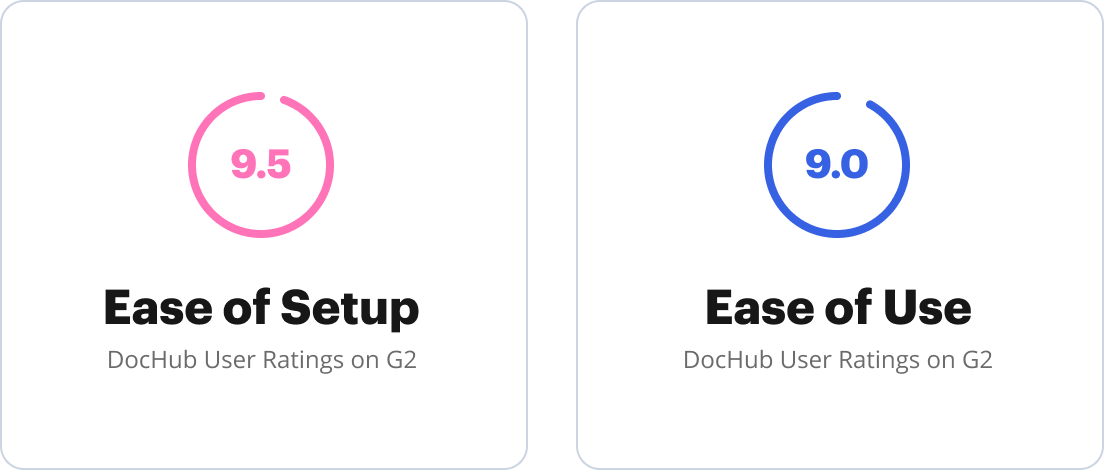
DocHub provides a robust platform for creating and managing fillable forms such as Service Order Templates. It allows for:
- Customization: Users can adapt templates with fillable fields like text boxes, dropdowns, and signature sections.
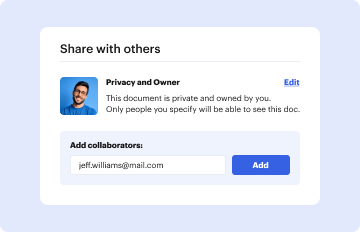
- Collaboration: Multiple users can collaborate on the same document, with real-time updates and role-based permissions enhancing process efficiency.
- Security: With advanced encryption and authentication protocols, users can be confident their documents are safeguarded.
DocHub's capabilities align with dynamic business needs, offering comprehensive tools for managing and executing service orders effectively.