




Understanding the Contrato de Confidencialidad
A "Contrato de Confidencialidad," commonly known as a Non-Disclosure Agreement (NDA), is a legal contract designed to protect confidential information between parties. This agreement is crucial in preventing sensitive information from being disclosed to unauthorized individuals. NDAs are typically used in various business contexts, including technology transfers, employment agreements, and mergers and acquisitions. In the U.S., they are enforceable under state contract law, provided they meet standard contract requirements.
Purpose and Importance of the NDA
The primary purpose of an NDA is to create a legal obligation to keep shared information private. These agreements help maintain trust between parties and are instrumental in protecting intellectual property, trade secrets, and sensitive business strategies. For example, a software company may require an NDA before discussing a new product with a potential partner to ensure proprietary information is not leaked.
Key Elements of the Contrato de Confidencialidad
A well-structured NDA includes several key components:
- Definition of Confidential Information: Clearly specifies what constitutes confidential information to avoid ambiguity.
- Obligations of Parties: Outlines the responsibilities of both the disclosing and receiving parties concerning the handling of confidential information.
- Duration: States the length of time the NDA remains in effect, which can vary based on the nature and context of the information.
- Exclusions: Identifies information not covered by the NDA, such as public domain information or data already known to the receiving party.
- Consequences of Breach: Details the remedies and actions that can be pursued if there is a violation of the agreement terms.
Legal Context and Enforceability
In the U.S., NDAs are governed by contract law, which varies from state to state. It is essential for NDAs to be reasonable in scope, timeframe, and geographical reach. Unreasonably broad NDAs may be deemed unenforceable by courts. For example, NDAs that restrict employees from working in certain industries post-employment must be carefully drafted to meet legal standards.
Steps to Complete a Contrato de Confidencialidad
Completing an NDA involves several critical steps:
- Identify the Parties: All involved parties must be clearly named in the agreement.
- Define the Scope: Specify the information to be protected and the context in which it is shared.
- Drafting the Agreement: Use clear language to ensure all parties understand their rights and responsibilities.
- Review and Revise: Both parties should review the draft for clarity, legality, and comprehensiveness. Seeking legal advice is recommended to ensure enforceability.
- Signatures: All parties must sign the NDA for it to be legally binding.
Variants and Alternatives
NDAs can be unilateral, where only one party discloses information, or mutual, where both parties share confidential information. An alternative to a full NDA could be a simpler confidentiality clause included within broader contracts such as employment agreements or partnership agreements.
Common Use Cases
NDAs are prevalent in various sectors:
- Business Collaborations: Before engaging in joint ventures, companies often sign NDAs to secure sensitive information.
- Employment Contracts: Employers might require NDAs to prevent former employees from divulging trade secrets to competitors.
- Investor Interactions: Startups frequently use NDAs during funding rounds to protect their business models and strategies.
Real-World Scenarios
A typical scenario might involve a tech startup developing a new app. They may require potential investors and partners to sign an NDA to safeguard their unique algorithms and design concepts. Another scenario involves a pharmaceutical company partnering with a research facility. An NDA would protect proprietary chemical formulations shared during the collaboration.
Who Typically Uses the Contrato de Confidencialidad
NDAs are utilized by a wide array of entities, including:
- Corporations and Businesses: To protect trade secrets and maintain competitive advantages.
- Inventors and Entrepreneurs: To secure innovative processes and ideas before patenting or entering the market.
- Employers and Employees: To regulate the flow of proprietary information both during and after employment.

Software Compatibility and Integration
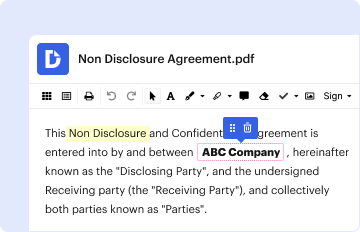
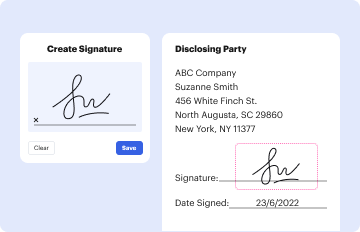
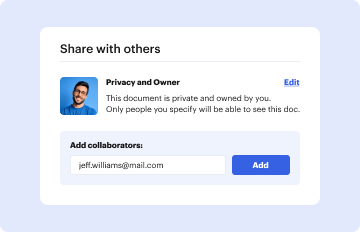
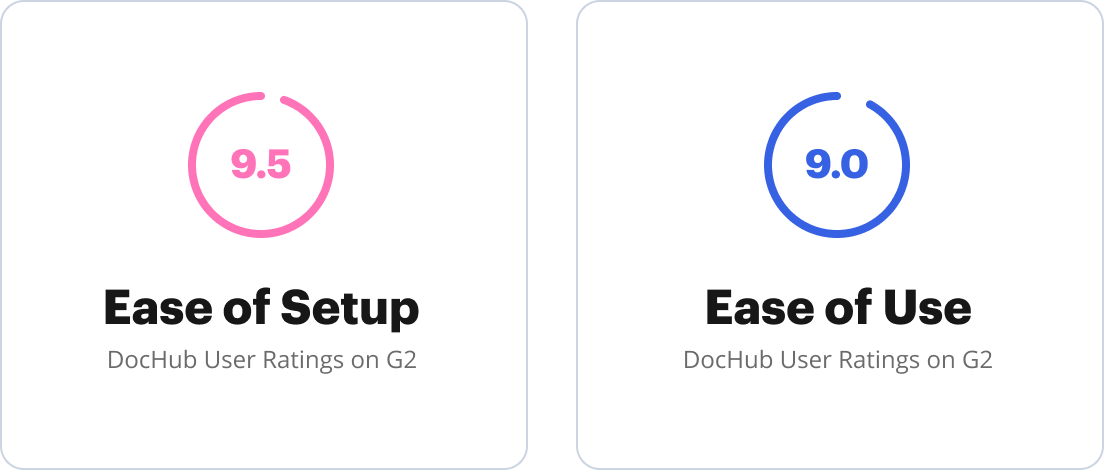
For those managing contracts digitally, tools like DocHub facilitate the drafting, editing, and electronic signing of NDAs. The platform's compatibility with various file formats, such as DOC and PDF, alongside integration with services like Google Drive, provides ease and efficiency in document handling.
Legal Considerations and Compliance
When drafting NDAs, compliance with applicable federal, state, and industry-specific regulations is crucial. This includes adherence to data protection laws that govern the handling and sharing of sensitive information. Companies must ensure that NDAs are tailored to comply with local legal requirements to avoid enforceability issues.
By understanding the intricacies of the Contrato de Confidencialidad and its practical applications, businesses and individuals can effectively safeguard their confidential information while fostering trust and collaboration in their professional relationships.