




Definition and Meaning
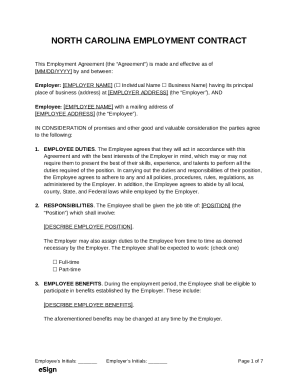
The "Contrato de Donación" is a legal agreement in which one party, the donor, voluntarily transfers ownership of money or movable property to another party, the donee, without expecting anything in return. This contract is governed by the Federal Civil Code of Mexico, specifically articles 2332 to 2383, as well as correlating articles within Mexican states' civil codes. The purpose of the contract is to legally formalize the act of donation, ensuring clear terms and conditions for both parties involved.
Key Elements of the Contrato de Donación
A valid Contrato de Donación typically includes several critical elements:
- Identification of Parties: Clearly lists the donor and donee, including their full legal names and identification numbers.
- Description of the Donated Item: Detailed specifications of the money or property being donated, ensuring there is no ambiguity about what is being transferred.
- Voluntary Intent: Affirms that the donor is transferring ownership voluntarily, with no coercion or obligation.
- Acceptance by Donee: The donee must agree to accept the donation, ensuring mutual consent.
- Legal Capacity: Both parties must have the legal capacity to enter into the contract, meaning they must be of age and of sound mind.
- Formalization: The contract is often formalized in writing and, in some cases, may require notarization or other official recognition to be legally binding.
Steps to Complete the Contrato de Donación
Completing a Contrato de Donación involves several steps:
- Draft the Agreement: Prepare a written document outlining the terms of the donation, specifying the property or funds involved, and clarifying any conditions attached to the donation.
- Review Legal Requirements: Ensure compliance with applicable federal and state laws, consulting legal counsel if necessary to confirm all elements meet legal standards.
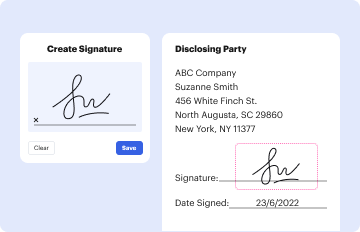
- Sign the Contract: Both parties must sign the contract. Depending on the jurisdiction, you might need a witness or notary public to oversee the signing.
- Transfer of Property: Upon signing, the property or funds are transferred to the donee as specified in the contract.
- Record Keeping: Retain copies of the signed agreement for both parties as evidence of the transaction and for future reference.
Legal Use of the Contrato de Donación
The contract is used to formalize donations, making it legally enforceable. It is common in family settings, where parents wish to distribute assets to children, or in charitable contexts, facilitating donations to organizations. The contract protects both parties, ensuring that the donor's intentions are legally recognized and that the donee receives the property as agreed.
Important Terms Related to Contrato de Donación
Understanding specific terms can enhance clarity and ensure proper execution:
- Donor (donante): The individual who grants the gift or property.
- Donee (donatario): The recipient of the donation.
- Gratuitousness: The transaction occurs without expected compensation, emphasizing the voluntary nature of the donation.
State-Specific Rules for the Contrato de Donación
While the Federal Civil Code provides a framework, state laws can influence execution and enforcement. Different states may have varying requirements for notarization or additional stipulations for specific types of property. It is important to consult the local regulations in your jurisdiction to ensure compliance.
Who Typically Uses the Contrato de Donación
This contract is commonly utilized by individuals or entities wishing to formalize a gift, including:
- Family Members: Parents transferring assets to children or relatives.
- Charitable Organizations: Individuals donating assets to charities.
- Estate Planning: People looking to manage their estate by distributing assets in their lifetime.

Digital vs. Paper Version
In today's digital age, the Contrato de Donación can be created and signed electronically, provided that it complies with legal standards for electronic signatures. This offers convenience and efficiency, particularly for parties in different locations. However, some jurisdictions may require a physical paper version for certain types of property transfers or for official records. Checking the specific legal requirements for electronic versions in your area is advisable.
Examples of Using the Contrato de Donación
Real-world scenarios illustrate the utility of this contract:
- Charitable Donations: A philanthropist uses the agreement to donate funds to a non-profit, ensuring compliance with tax laws and providing a formal acknowledgment of the gift.
- Property Transfer: A parent gives a car to their child and uses the contract to officially transfer ownership, avoiding future disputes.
- Art Donations: An art collector donates a piece to a museum, using the contract to specify terms regarding the piece's display, ensuring the gift meets both parties' expectations.