



Definition and Meaning
The "Driver’s Receipt for FMCSR Pocketbook" refers to a formal acknowledgment that a driver has received the Federal Motor Carrier Safety Regulations (FMCSR) Pocketbook. This document outlines the essential safety standards and regulations established by federal laws that individuals operating commercial motor vehicles must adhere to. The receipt serves as proof that the driver has been informed about these regulations, a crucial requirement for ensuring compliance and safety on the road.
What the FMCSR Pocketbook Contains
- Safety Standards: Covers rules on vehicle operation, maintenance, and driver conduct.
- Compliance Guidelines: Details about adhering to federal regulations for cargo, hazardous materials, and more.
- Updates and Revisions: Includes the latest revisions to ensure drivers are informed of current laws.
How to Use the Driver’s Receipt for FMCSR Pocketbook
This receipt should be carefully filled out and maintained as part of the driver's professional records. It serves multiple purposes, ensuring that:
- Verification: Proves to employers and regulatory agencies that a driver is equipped with the necessary knowledge of safety protocols.
- Audit Trail: Acts as documentation during audits or inspections by regulatory bodies.
- Reference: Allows drivers to reference the regulations quickly from their pocketbook, ensuring ongoing compliance.
Using the Pocketbook Effectively
- Regular Review: Periodically review the pocketbook's contents to stay updated on safety protocols.
- Training: Use the pocketbook as a guide during training sessions to reinforce safe driving practices.
- Record-Keeping: Ensure the receipt is stored securely with other compliance documentation.
How to Obtain the Driver’s Receipt for FMCSR Pocketbook
Obtaining the Driver’s Receipt for FMCSR Pocketbook involves a straightforward process:
- Employer Distribution: Many employers distribute the FMCSR Pocketbook and its receipt as part of their onboarding process for commercial drivers.
- Purchasing or Requesting: Drivers can also purchase the pocketbook from commercial vehicle regulation agencies or official websites dedicated to federal safety standards.
Steps to Acquire the Pocketbook
- Ask your Employer: Contact the HR or Compliance department for a copy.
- Online Purchase: Visit websites of regulatory agencies for digital or paper copies.
- Check Freight Associations: These organizations often provide resources for commercial drivers.
Key Elements of the Driver’s Receipt for FMCSR Pocketbook
The receipt contains several key elements that are crucial for its validity and function:
- Driver's Name and Signature: Confirms individual acknowledgment of receipt.
- Date of Receipt: Establishes a timeline for when the information was provided.
- Employer Details: Includes the company's name and address to maintain a record of distribution.
Detailed Description of Receipt Components
- Driver’s Information: Full legal name, license number, and contact information for identification.
- Employer Verification: Requires an authorized signature from the employer or a compliance officer.
Legal Use of the Driver’s Receipt for FMCSR Pocketbook
The legal use of the Driver’s Receipt for FMCSR Pocketbook is underpinned by its importance in regulatory compliance and safety assurance. It is primarily used to demonstrate that:
- The driver has access to essential safety information.
- The driver is informed and acknowledges understanding of federal regulations.
Importance of Legal Compliance
- Audits and Inspections: Serves as proof if audited by regulatory bodies like the Department of Transportation (DOT).
- Legal Disputes: Can be used as evidence in case of legal challenges related to compliance failures.
Steps to Complete the Driver’s Receipt for FMCSR Pocketbook
Completing the Driver’s Receipt for FMCSR Pocketbook requires attention to detail to ensure full compliance:
- Filling Personal Information: Provide accurate and complete driver information.
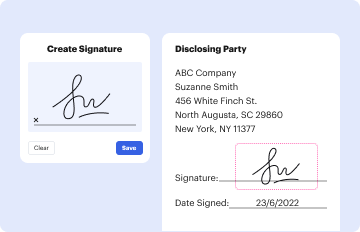
- Signing and Dating: The driver must personally sign and date the document to confirm receipt.
- Employer Signature: Obtain a counter-signature from an employer representative to validate it.
Completing the Form Accurately
- Use Legible Writing: Ensure all information is clear and legible.
- Double-Check for Accuracy: Review the form before submission to correct any errors.
- Secure Storage: Store the completed receipt with other vital documents related to employment and compliance.
Who Typically Uses the Driver’s Receipt for FMCSR Pocketbook
The primary users of the Driver’s Receipt for FMCSR Pocketbook are commercial drivers, including:
- Truck Drivers: Operators of long-haul and short-haul trucks who transport goods across state lines.
- Bus Drivers: Those responsible for carrying passengers and must adhere to high safety standards.
- Fleet Managers: Supervisors who ensure that all drivers under their management are compliant with safety regulations.


Profiles of Common Users
- Experienced Drivers: Need to maintain ongoing compliance and stay up-to-date with regulations.
- New Entrants: Those new to commercial driving who must familiarize themselves with safety protocols.
- Transport Companies: Businesses that oversee large fleets and require consistent regulatory adherence.

Important Terms Related to Driver’s Receipt for FMCSR Pocketbook
Understanding the terminology associated with the Driver’s Receipt for FMCSR Pocketbook is essential for clarity and proper usage:
- FMCSR: Federal Motor Carrier Safety Regulations, the backbone of safety standards for commercial vehicles.
- Acknowledgment of Receipt: A formal declaration that the driver has received necessary documentation.
- Compliance: The act of adhering to established safety regulations and legal requirements.
Glossary of Key Terms
- Safety Standards: Guidelines established to ensure safe operation of commercial motor vehicles.
- Regulatory Bodies: Organizations like the DOT that enforce transportation safety regulations.
- Receipt Authorization: Procedure by which the receipt is officially acknowledged and validated by the driver and employer.