



Definition and Purpose of the Patient Complaint Form
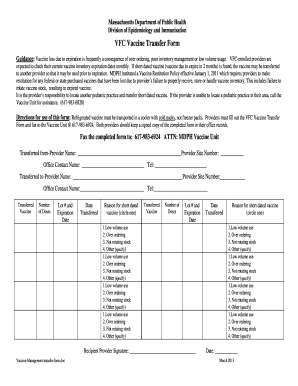
The Patient Complaint Form is a document designed to capture and address grievances that patients might have regarding their healthcare experience. This form serves multiple purposes, such as documenting specific incidents of dissatisfaction, facilitating communication between patients and healthcare providers, and providing a structured process for resolving issues. Through this form, patients can articulate their concerns in detail, ensuring that the healthcare institution has all necessary information to investigate and provide a response. In turn, healthcare facilities can use the feedback gathered from these forms to improve service quality and patient satisfaction.
Common Scenarios for Use
- Concerns about treatment received
- Issues with staff professionalism or conduct
- Billing discrepancies
- Delays in receiving care or treatment
- Facility cleanliness and safety concerns
How to Obtain the Patient Complaint Form
Accessing a Patient Complaint Form is straightforward, usually available through multiple channels depending on the healthcare provider's setup. Here are typical methods for obtaining the form:
- In-Person: Most healthcare facilities provide complaint forms at reception or patient services desks.
- Online: Many institutions offer downloadable PDFs or online submission forms on their official websites.
- By Phone: Some providers may accept request forms via a phone call, followed by mailing or emailing the form to the patient's address.
Practical Example
For instance, a patient who recently visited a hospital might access the hospital's website to find a dedicated section for patient feedback. Within this section, the patient can download the form or fill it out directly online.
Steps to Complete the Patient Complaint Form
Filling out a Patient Complaint Form involves several critical steps to ensure thoroughness and clarity:
- Personal Information: Provide your full name, contact information, and any patient identifiers (e.g., patient ID number).
- Details of the Incident: Clearly describe the nature of the complaint, including dates, times, and names of any involved staff members.
- Previous Attempts to Resolve: Outline any prior efforts you have made to address the issue, such as speaking with staff or management.
- Desired Outcome: State what you hope to achieve through the complaint, whether an apology, policy review, or any other specific resolution.
- Signature and Date: Ensure you sign and date the form to validate the submission.
Edge Cases and Variations
- Some forms might require additional supporting documentation, such as billing statements or photographs.
- Certain facilities may have a section for third-party witness accounts, which can be vital in cases of disputed incidents.
Key Elements of the Patient Complaint Form
When drafting or reviewing a Patient Complaint Form, several fundamental components must be present for it to be effective:
- Identifying Information: Ensures the complaint is associated with the correct patient record.
- Specific Complaint Description: Detailed narratives help in the investigation and resolution process.
- Action Taken: Documentation of any preliminary steps already executed by the complainant or facility staff.
- Contact Preferences: Information on how the complainant wishes to be contacted for follow-up.
Examples of Use
A patient attending an outpatient clinic noticed a lack of cleanliness in the examination rooms. After completing the form, the patient specifies a prompt response requirement due to potential health implications.
Legal Use of the Patient Complaint Form
The legal framework governing the use of Patient Complaint Forms ensures that complaints are handled with confidentiality, fairness, and without any form of discrimination against the patient. Under U.S. healthcare regulations, such forms must comply with laws like the Health Insurance Portability and Accountability Act (HIPAA), safeguarding personal health information involved in the complaint.
Compliance Requirements
- Confidential handling of patient data
- Prompt acknowledgment and investigation of complaints
- Right to appeal or escalate unresolved issues
- Documentation and retention policies as per state laws
State-Specific Considerations for the Patient Complaint Form
While the general structure of Patient Complaint Forms remains consistent, some states impose additional rules or sections on these forms based on local laws and healthcare regulations. For example:
- California: Regulations might mandate specific language options for non-English speakers.
- Texas: Forms might require additional sections on the patient's healthcare plan or insurance details.
Case Study
A hospital in New York has implemented a bilingual complaint process to accommodate its diverse patient population, ensuring that language is not a barrier to accessing this important patient feedback mechanism.
Digital vs. Paper Versions of the Patient Complaint Form
Both digital and paper versions of the Patient Complaint Form present their unique advantages and potential limitations.
- Digital Format: Easier access and faster submission, often with the ability to attach supporting documents electronically.
- Paper Format: Useful in settings where digital literacy varies or internet access is limited. Provides a tangible record that can be easily handed over in person.
Real-World Scenario
A patient without internet access receives a paper form upon discharge, fills it out at their leisure, and submits it during their next visit.
Form Submission Methods
Multiple submission options ensure flexibility for patients, allowing them to choose the most convenient method:
- Online Submission: Often preferred for speed and ease; forms can be filled and submitted directly from a patient's home.
- Mail: Makes use of traditional postal services, suitable for those who may be less comfortable with digital solutions.
- In-Person: Ideal for urgent complaints requiring immediate acknowledgement.
Example
A dissatisfied patient completes their complaint form online and opts for an electronic submission directly through the healthcare provider’s website, receiving an acknowledgement email as confirmation of receipt.