Definition and Purpose of a Candidate Evaluation Form
A Candidate Evaluation Form is a structured document designed to assess the qualifications, skills, and overall fit of candidates during the hiring process. This form serves several purposes, including standardizing the evaluation process across different candidates and ensuring consistency in judging their capabilities against the job requirements. By maintaining a detailed assessment, organizations can make informed hiring decisions that align with their strategic goals.
Key Components of the Form
The typical Candidate Evaluation Form includes multiple sections to capture various aspects of candidate evaluation:
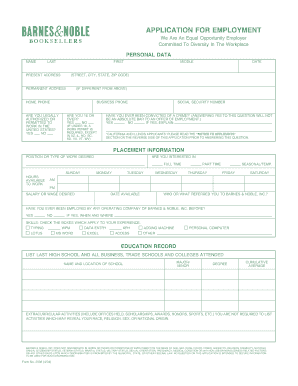
- Personal Information: Collects basic details like the candidate's name, position applied for, and department.
- Education and Qualifications: Highlights educational background and relevant certifications.
- Work Experience: Evaluates the relevance and length of previous job roles.
- Skill Set: Focuses on specific skills that are critical for the position.
- Interview Performance: Notes observations from the interview, such as communication skills and problem-solving abilities.
- Cultural Fit: Assesses alignment with company values and team dynamics.
How to Use the Candidate Evaluation Form
Using the Candidate Evaluation Form effectively requires a clear understanding of the job requirements and a consistent evaluation approach. The form should be completed by every interviewer involved in the hiring process to gather comprehensive feedback.
Steps to Follow
- Preparation: Before the interview, familiarize yourself with the candidate's resume and the job description. Understand the key competencies required for the role.
- Conducting the Interview: Use the form as a guide to ask relevant questions that explore the candidate's experience and skills.
- Documentation: During the interview, jot down notes and rate the candidate on each section of the form. Be objective and consistent in your ratings.
- Review and Decision Making: After all interviews are completed, compare evaluations across candidates. This collective input aids in choosing the right candidate.
Obtaining a Candidate Evaluation Form
Candidate Evaluation Forms can be sourced from various platforms and can also be customized to fit specific organizational needs.
Where to Find the Form
- Human Resources: Many companies have in-house templates that align with their unique hiring criteria.
- Online Resources: Templates are available from reputable HR websites and document management platforms like DocHub.
- Custom Creation: For highly specialized roles, custom forms may be created using document editing tools to meet specific requirements.
Steps to Complete the Candidate Evaluation Form
Completing the Candidate Evaluation Form requires attention to detail to ensure accurate data collection and analysis.
Detailed Process
- Candidate's Personal Details: Start by filling in the candidate's name, position applied for, and the interviewer's name.
- Education and Experience: Evaluate each aspect based on the resume and interview discussions. Assign ratings using a predefined scale.
- Skills and Competencies: Compare the candidate's skill set with the job requirements, noting areas of strength and concern.
- Interview Observations: Detail observations about the candidate's behavior, communication style, and problem-solving approach.
- Overall Summary and Recommendations: Sum up the assessment with a brief narrative and a recommendation for hiring or not.
Importance of the Candidate Evaluation Form
The Candidate Evaluation Form plays a critical role in the hiring process by providing a systematic way to evaluate candidates. It minimizes biases and ensures that all potential employees are considered fairly based on their competencies and fit with the organization.
Benefits of Using the Form
- Consistency: Standardized questions and rating scales provide a uniform assessment process.
- Comprehensive Evaluation: Captures a wide range of candidate attributes beyond just skills, including interpersonal and cultural fit.
- Objective Decision Making: Helps in making data-driven hiring decisions, reducing personal biases.
Who Typically Utilizes the Candidate Evaluation Form
The Candidate Evaluation Form is typically used by HR professionals, hiring managers, and any team members involved in the interviewing process. It ensures that all stakeholders have a common framework for evaluating potential hires.
Roles Involved
- Human Resources: Facilitates the process and ensures adherence to evaluation protocols.
- Interviewers: Conduct interviews and provide assessments using the form.
- Hiring Managers: Use the compiled data to make final hiring decisions.
Important Terms Related to the Candidate Evaluation Form
Understanding specific terminology related to candidate evaluations is essential for utilizing the form effectively.
Commonly Used Terms
- Competency Evaluation: Measures specific skills and abilities against job criteria.
- Cultural Fit Assessment: Evaluates alignment with organizational values and team culture.
- Behavioral Interviews: Focuses on past behaviors as indicators of future performance.
- Rating Scale: A standardized measure used to assess various candidate attributes.
Legal Considerations for Using the Candidate Evaluation Form
Employers must ensure that the use of Candidate Evaluation Forms complies with legal requirements to avoid any issues related to discrimination and bias in hiring.
Legal Guidelines
- Non-Discriminatory Practices: Forms should be designed to assess qualifications and job performance without bias based on race, gender, or other protected characteristics.
- Data Privacy: Ensure that candidate information is handled according to data protection regulations. This includes secure storage and limited access to sensitive information.