




01. Edit your form online
Type text, add images, blackout confidential details, add comments, highlights and more.

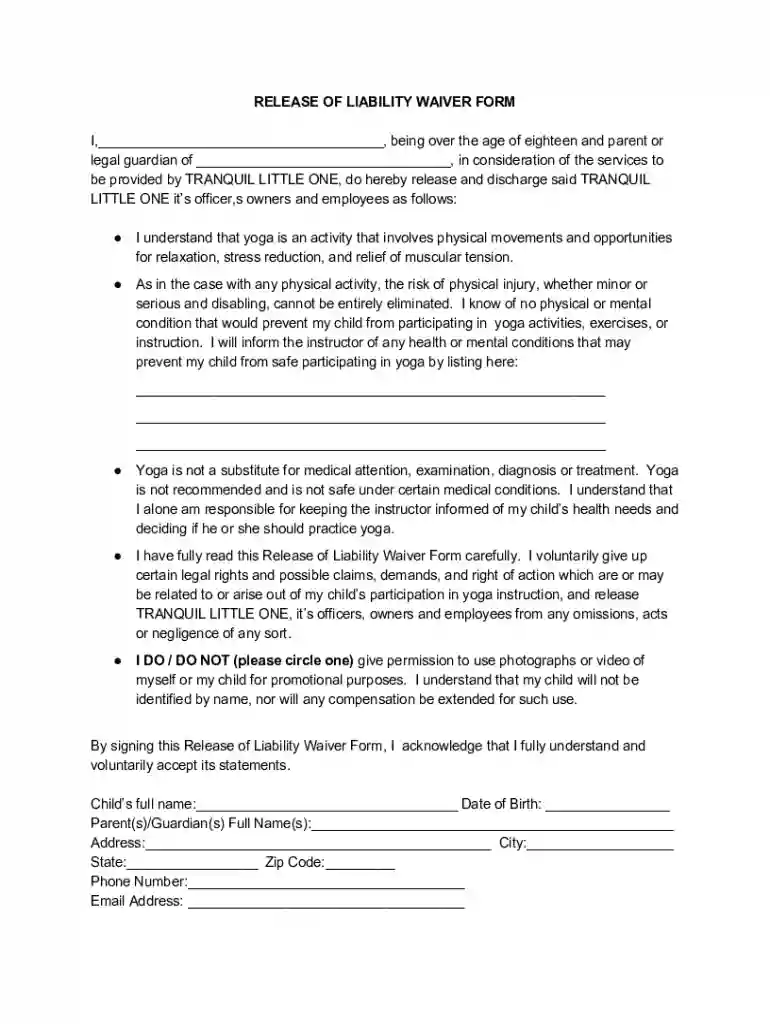
Type text, add images, blackout confidential details, add comments, highlights and more.

Draw your signature, type it, upload its image, or use your mobile device as a signature pad.

Send it via email, link, or fax. You can also download it, export it or print it out.
Liability waiver forms are legal documents designed to protect organizations and businesses from potential claims and lawsuits. These forms, specifically the "FREE 11+ Printable Liability Waiver Forms," serve as a contractual agreement between the participant and the organization, stating that the participant voluntarily assumes the risks associated with the activity and releases the organization from liability.
The "FREE 11+ Printable Liability Waiver Forms" can be used in various scenarios, including recreational activities, sports events, and educational workshops. To utilize these forms, organizations should:
Completing a liability waiver form involves several steps:
These forms are legally binding documents under U.S. law, provided they are clearly written and signed voluntarily. They must include essential information, such as:
An effective liability waiver form includes the following components:
Legal requirements for liability waivers can vary by state. Some states have specific regulations regarding language specificity or breadth of scope. It is essential to:
Various entities utilize liability waiver forms, such as:


Liability waivers are used in practical scenarios like:
Alternatives to the "FREE 11+ Printable Liability Waiver Forms" include older versions or forms tailored for specific sectors like healthcare or adventure tourism. Choosing the appropriate format ensures better applicability to the situation, providing the necessary legal protection with the latest updates and compliance standards.
At DocHub, your data security is our priority. We follow HIPAA, SOC2, GDPR, and other standards, so you can work on your documents with confidence.
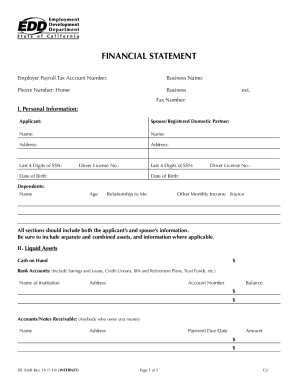

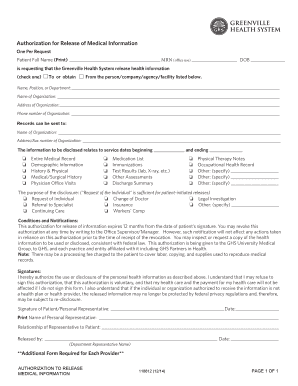

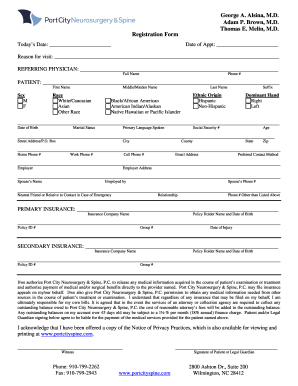


(a) FORMis the tax form(s) the taxpayer is or was required to file - Will print the form number in. MFT sequence. (b) FRFiling Requirement code indicates the
All graduate students, as well as faculty and staff who work with graduate programs, are responsible for understanding and following policies and procedures
Confidentiality Statement. Confidentiality Statement: Data and information contained in this document are considered to constitute trade secrets.


