






Definition & Meaning
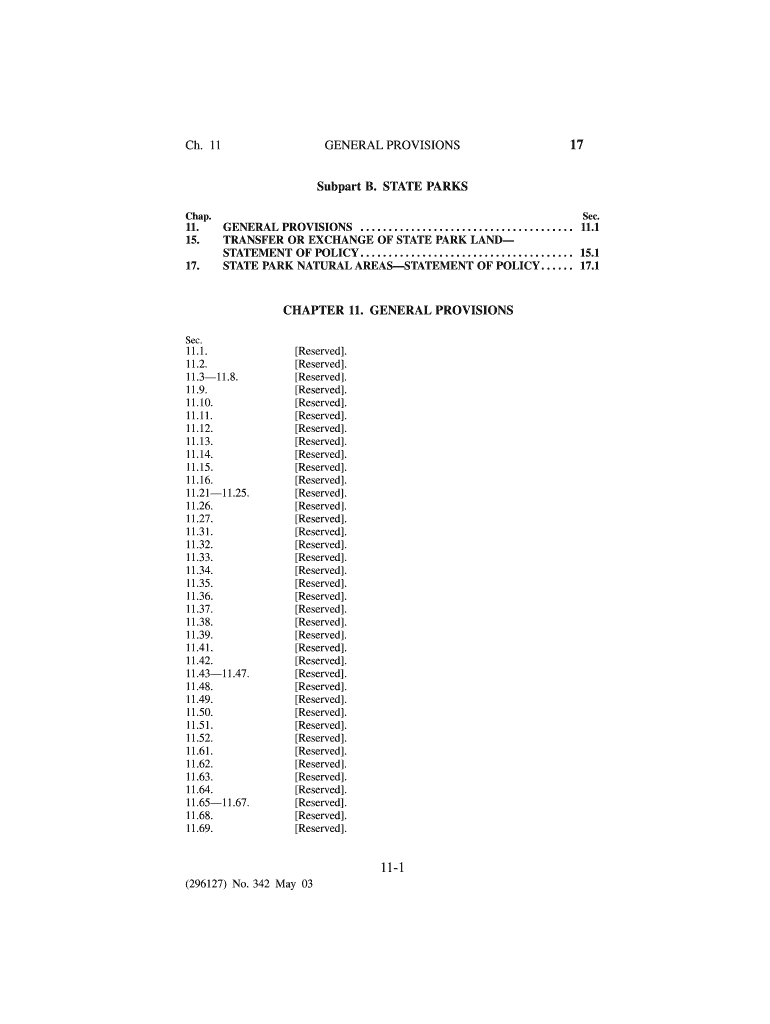
The "Parks and Wildlife Code Chapter 11 Parks and" refers to a section of code that outlines the legal framework governing the management and operation of state parks within the United States. This code provides detailed regulations on the usage of park facilities, aiming to protect natural resources and enhance recreational experiences. It includes guidelines on traffic and parking, pet policies, and recreational activities such as camping and boating. Understanding this code is essential for park administrators, law enforcement, and park visitors to ensure compliance with state park policies.
Key Elements Overview
- Regulations on Usage: Specifies guidelines for using park facilities, including hours of operation and permitted activities.
- Permits and Penalties: Details the need for specific permits for certain activities and establishes penalties for violations.
- Resource Protection: Focuses on protecting natural resources, such as wildlife habitats and plant life.
How to Use the PARKS AND WILDLIFE CODE CHAPTER 11 PARKS AND
To effectively utilize the Parks and Wildlife Code Chapter 11 Parks and regulations, individuals and organizations must familiarize themselves with its specific guidelines and provisions. This involves reviewing the code to understand the particular requirements for park usage, including obtaining necessary permits.
Steps for Usage
- Review Guidelines: Understand what activities are allowed and any restrictions in place.
- Obtain Permits: Identify any activities requiring permits and apply through the appropriate channels.
- Comply with Rules: Adhere to the regulations and follow all park rules to avoid penalties.
Practical Compliance Tips
- Park Visitors: Ensure to follow any posted signage and check with park officials for updates.
- Event Organizers: Secure all necessary approvals in advance when planning events in state parks.
How to Obtain the PARKS AND WILDLIFE CODE CHAPTER 11 PARKS AND
Acquiring the full text of the Parks and Wildlife Code Chapter 11 Parks and involves accessing governmental resources where the legal documents are published. It is typically available through state government websites or specific environmental or natural resources departments.
Access Methods
- Online Access: Locate the code on the state's official legislative website or environmental agency portal.
- Printed Copies: Request printed versions from local government offices or libraries for easier reference.
Verification Process
- Ensure Currency: Confirm the document's currency to ensure compliance with the latest regulations.
- Consult Legal Experts: If needed, consult with legal professionals specializing in environmental law for clarification on complex sections.
Legal Use of the PARKS AND WILDLIFE CODE CHAPTER 11 PARKS AND
Legal use of this code involves understanding and applying its rules to ensure all park activities comply with state laws. It requires citizens, businesses, and governmental bodies to adhere strictly to the mandated provisions to avoid legal repercussions.
Contextual Applications
- Legal Compliance: Use it as a guide for activities within state parks to ensure alignment with legal standards.
- Enforcement: Local law enforcement agencies use it to monitor and enforce park usage regulations.
Benefits of Legal Understanding
- Avoiding Penalties: Mitigates the risk of heavy fines or other legal actions due to non-compliance.
- Resource Conservation: Encourages activities that support the preservation of natural habitats and resources.
Key Elements of the PARKS AND WILDLIFE CODE CHAPTER 11 PARKS AND
This code encompasses several critical elements integral to managing state park operations efficiently. These include provisions for obtaining necessary permits, the enforcement of rules, and conservation efforts.
Essential Provisions
- Permit Requirements: Details different permits required for activities like large gatherings or commercial operations.
- Conservation Guidelines: Covers protective measures for wildlife and plant species within park boundaries.
- Traffic and Safety Rules: Enforces specific regulations on vehicular traffic and public safety to protect park-goers.
State-Specific Rules for the PARKS AND WILDLIFE CODE CHAPTER 11 PARKS AND
Each state might have its own adaptations of the Parks and Wildlife Code to address unique geographical and ecological needs. Understanding these variations is crucial for individuals and organizations that operate across multiple states.
Variations by State
- Local Adaptations: Some states may implement stricter environmental protections or additional recreational guidelines.
- Permit Processes: Differences in how permits are issued and what activities they cover.
Adaptation Examples
- Coastal States: Could enforce more stringent rules on water-related activities.
- Mountainous Regions: May have additional guidelines for hiking or skiing activities.
Penalties for Non-Compliance
Non-compliance with the Parks and Wildlife Code Chapter 11 Parks and can result in various penalties, ranging from fines to legal action. Understanding the potential repercussions is vital for all park users.
Common Penalties
- Fines and Fees: Monetary penalties for minor infractions such as parking violations or littering.
- Legal Actions: More severe breaches may lead to legal proceedings or bans from park facilities.
Mitigation Strategies
- Education and Training: Conduct regular training sessions for park staff and visitors on code requirements.
- Reporting Mechanisms: Implement systems for reporting and correcting infractions swiftly to minimize impact.
Form Variants and Digital vs. Paper Version
The Parks and Wildlife Code Chapter 11 Parks and may exist in various forms, including digital and paper versions, allowing different levels of accessibility and ease of use.
Format Types
- Digital Versions: Available online for easy access and referencing on-the-go.
- Printed Copies: Useful for comprehensive study or formal documentation needs.
Use Cases for Different Versions
- Digital: Ideal for quick checks and updates; integrates easily with software tools.
- Paper: Provides a tangible resource for detailed reviews and offline access.