







Definition & Meaning
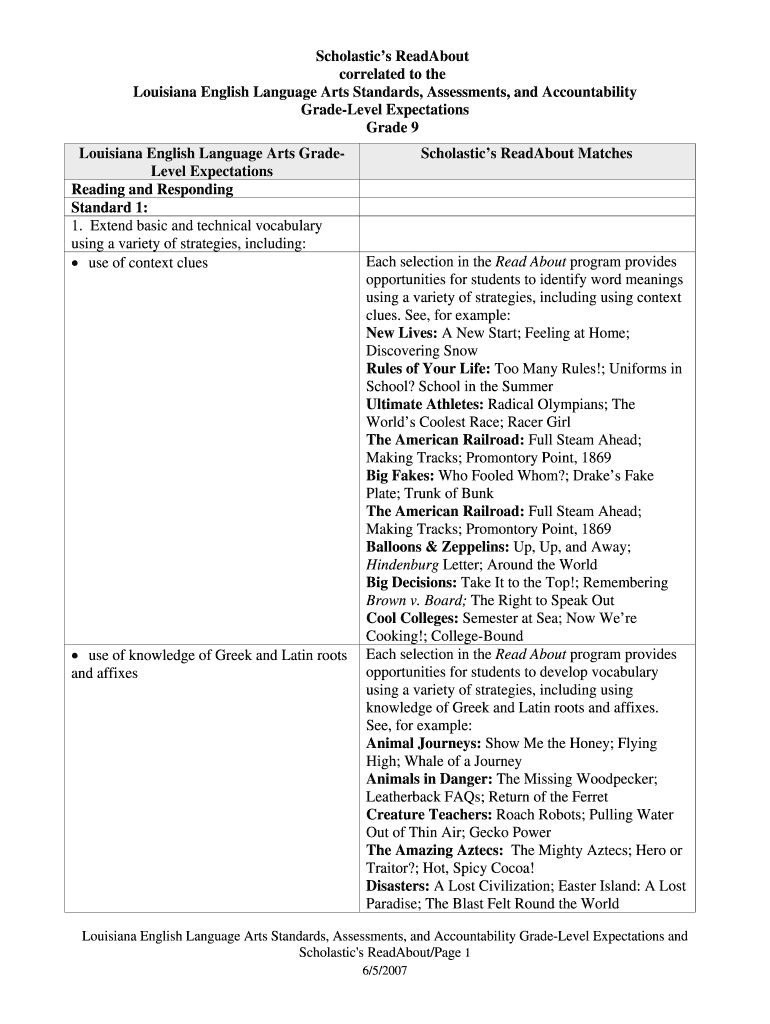
The concept of extending both basic and technical vocabulary involves the deliberate expansion of an individual's word bank to enhance communication skills, comprehension, and domain-specific knowledge. Basic vocabulary refers to foundational words commonly used in everyday conversation. In contrast, technical vocabulary includes specialized terms found in particular fields or areas of study. These terms are crucial for professionals looking to communicate effectively within their industries. Building a comprehensive vocabulary aids in clearer expression and more profound comprehension across contexts.
How to Use "Extend Basic and Technical Vocabulary"
To effectively use the strategy of extending vocabulary, one should incorporate learning techniques such as reading diverse materials and engaging in discussions on unfamiliar topics. Reading broadly across genres can introduce unfamiliar words, while engaging in discussions can help reinforce understanding. Incorporating new vocabulary into writing and speech further solidifies learning. Tools like vocabulary lists, flashcards, and language apps can support consistent practice. Understanding context and definitions is vital, ensuring that words are used accurately and appropriately in communication.
Why Should You Extend Basic and Technical Vocabulary
Extending vocabulary offers numerous benefits, both personally and professionally. Enhanced vocabulary can improve reading comprehension and writing clarity, making communication more effective. For professionals, understanding and using technical vocabulary can lead to greater competence and credibility within their fields. In educational settings, students can express ideas more clearly and engage with complex texts confidently. Overall, vocabulary development supports cognitive abilities like memory and critical thinking, providing a competitive edge in workplace environments and academic pursuits.
Key Elements of "Extend Basic and Technical Vocabulary"
- Contextual Learning: Engage with words in different contexts to understand their usage and nuances.
- Incremental Growth: Regularly add new words to your vocabulary and practice them within real-life scenarios.
- Technical Focus Areas: Identify specific fields where technical vocabulary is critical, such as medicine, law, or technology.
- Interactive Methods: Use language learning apps, games, and group discussions to make vocabulary building engaging.
- Consistent Review: Regularly reviewing and refreshing vocabulary is essential for retention and confidence.
Steps to Extend Basic and Technical Vocabulary
- Identify Learning Goals: Determine specific areas where vocabulary extension is needed.
- Select Resources: Choose books, articles, or courses that introduce new vocabulary.
- Practice Retrieval: Use spaced repetition systems (SRS) and quizzes to reinforce memory.
- Engage with Experts: Join forums or workshops to learn directly from industry professionals.
- Apply in Writing and Speech: Use new vocabulary in your communications to enhance retention.
Examples of Using "Extend Basic and Technical Vocabulary"
- Medical Field: A doctor employing precise medical terminology to accurately discuss diagnoses and treatments.
- Technology Industry: An IT professional using technical jargon relevant to software engineering during a project meeting.
- Academic Research: A researcher utilizing field-specific terms to discuss findings in scholarly journals.
- Everyday Communication: An individual using a diverse range of descriptive adjectives to enrich storytelling.
Important Terms Related to "Extend Basic and Technical Vocabulary"
- Lexicon: The complete set of words in a language.
- Jargon: Specialized vocabulary used within a particular profession or group.
- Synonyms: Different words with identical or similar meanings.
- Context Clues: Information from the surrounding text that aids in understanding unfamiliar words.
- Etymology: The study of word origins and how they have evolved.
Software Compatibility (TurboTax, QuickBooks, etc.)
When considering extending technical vocabulary in specific contexts, understanding the terminologies used in software like TurboTax or QuickBooks can be beneficial. These platforms often use financial terminology that professionals in accounting or tax consultancy should comprehend. Learning tools within these software applications can help users familiarize themselves with relevant vocabulary, enhancing their proficiency and enabling them to navigate the software more efficiently.




