




01. Edit your form online
Type text, add images, blackout confidential details, add comments, highlights and more.

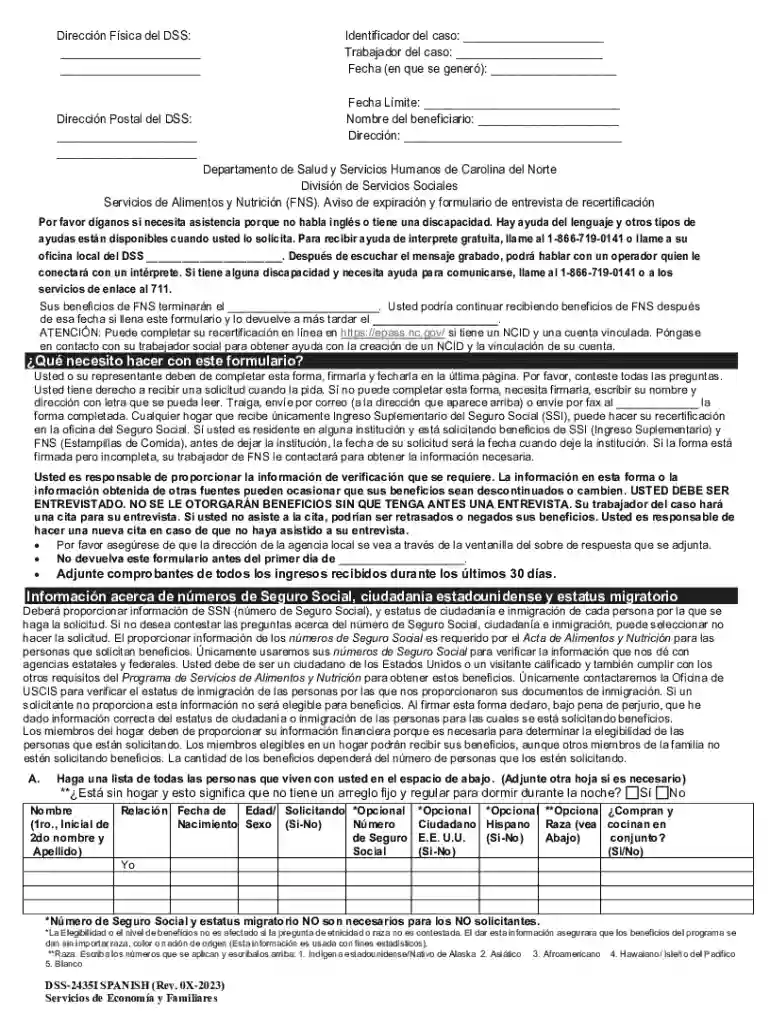
Type text, add images, blackout confidential details, add comments, highlights and more.

Draw your signature, type it, upload its image, or use your mobile device as a signature pad.

Send it via email, link, or fax. You can also download it, export it or print it out.
"Avances en la Transformación Digital hacia la Industria 4.0" refers to the developments and shifts within the manufacturing and production sectors as industries integrate advanced digital technologies. This transformation marks the transition from traditional manufacturing processes to more intelligent, automated, and interconnected systems powered by innovations such as artificial intelligence, the Internet of Things (IoT), and big data analytics. Industry 4.0 represents the fourth industrial revolution, distinguishing itself by embedding smart technologies within industrial operations to enhance efficiency, decision-making, and innovation.
Understanding and implementing advances toward Industry 4.0 requires a strategic approach encompassing several steps:
Assess Current Capabilities: Organizations should begin by evaluating their existing technologies and processes to identify areas that would benefit from digital enhancement.
Define Clear Objectives: Establish what improvements or innovations you aim to achieve with digital transformation, such as reduced downtime, enhanced production efficiency, or increased customization capabilities.
Select Appropriate Technologies: Based on the set objectives, select the digital tools and platforms that align with achieving those goals, such as cloud computing, advanced robotics, or cyber-physical systems.
Develop a Skilled Workforce: As technology evolves, it is crucial to invest in training employees to work alongside new digital tools efficiently.
Integrate Systems Seamlessly: Ensure that newly adopted technologies integrate smoothly with existing systems to avoid disruptions and leverage interoperability.
Implementing the transformation towards Industry 4.0 involves a structured series of steps:
Research and Planning: Conduct thorough research to understand the specific requirements and advancements applicable to your industry.
Customization and Deployment: Customize selected technologies to meet specific industrial requirements and deploy them in phases to manage and monitor their impact effectively.
Continuous Monitoring and Evaluation: Establish key performance indicators (KPIs) to monitor the success of implemented technologies and make necessary adjustments.
Feedback and Adaptation: Gather feedback from stakeholders, including employees and tech developers, to identify further areas of improvement and adaptation needs.
Understanding the transformation requires familiarity with several key terms:
Various industries have successfully adopted Industry 4.0 transformations:
Businesses across varied sectors stand to gain significant advantages from Industry 4.0 innovations:
For successful deployment, compatibility with software platforms is critical:
Adopting digital advancements requires meeting certain baseline conditions:


Elements central to achieving a successful transformation include:
Implementing "Avances en la Transformación Digital hacia la Industria 4.0" is a comprehensive undertaking that requires clear strategy, capable technology, and a skilled workforce, thereby driving efficiency and innovation in respective industries.
At DocHub, your data security is our priority. We follow HIPAA, SOC2, GDPR, and other standards, so you can work on your documents with confidence.





Preparar a la empresa para la transformacin digital mediante la alineacin de tecnologa, estrategia e innovacin, maximizando la productividad y la
by J Vidal-Alaball 2023 Cited by 41 La transformacin digital implica la integracin de tecnologa en todas las reas de una organizacin y un cambio en la forma de operar y de
Oct 1, 2020 Digital. Industries. Los avances en la digitalizacin, combinados con el avance hacia procesos de fabricacin cada vez ms flexibles, estn


