






Definition & Meaning
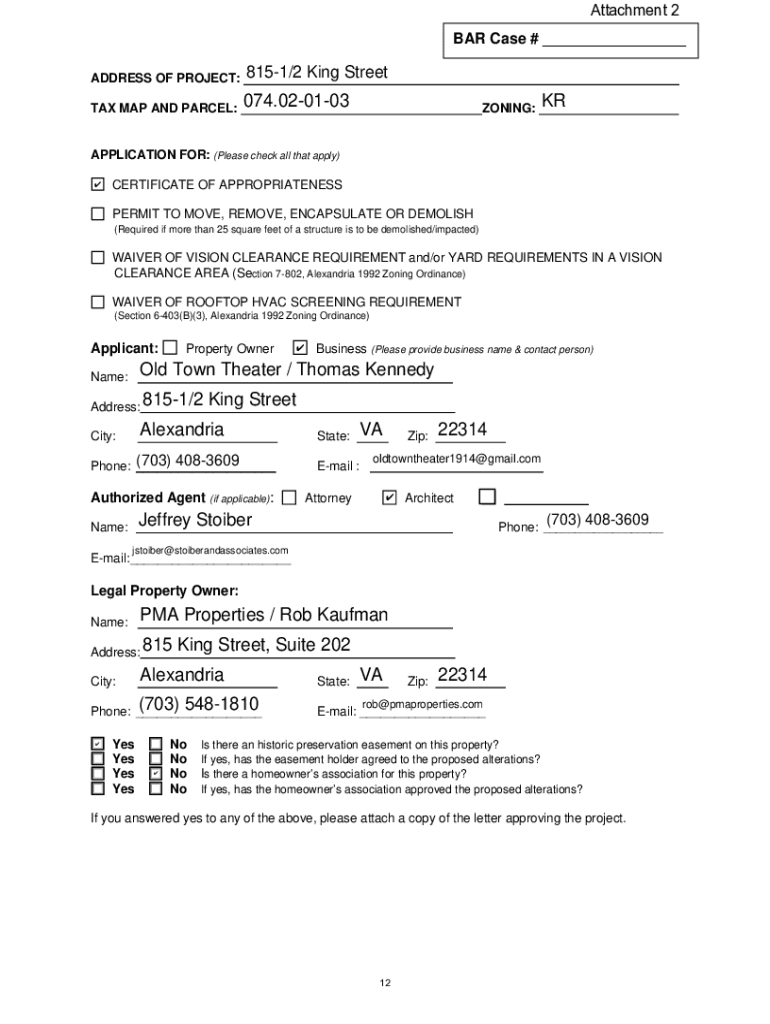
"BAR CASE #2" is a specific type of document case number, often used by planning boards, zoning commissions, or similar entities in the United States to track and manage requests for changes to historical properties or districts. These cases typically involve applications for modifications such as signage changes, structural alterations, or new constructions within historically significant areas. The number itself serves as a unique identifier within a database or filing system, helping both applicants and regulatory bodies reference specific case files efficiently.
Contextual Application
In the context of zoning or historical preservation, a "BAR CASE" refers to the Board of Architectural Review case, which is a formal process applicants must follow to gain necessary approvals for their projects. Each case number, such as #2, represents a unique docket within the purview of the regulatory board.
How to Obtain the BAR CASE #2
To obtain a specific BAR CASE document like "BAR CASE #2," applicants and interested parties usually need to contact the Board of Architectural Review or the equivalent governing body within the locality where the case is filed. This process may involve:
-
Online Searches: Some jurisdictions provide online databases where citizens can search using the case number to access public records or application details.
-
Direct Requests: Applicants can make formal requests via email, phone, or in-person visits to the relevant agency.
-
Review Meetings: Attend public meetings where BAR cases are discussed to gain firsthand access to the document details.
Requirements for Access
- Identification Proof: Demonstrating your relationship or interest in the case might be necessary.
- Access Fees: Certain jurisdictions may charge fees for document retrieval and copying.
Steps to Complete the BAR CASE #2
Completing a BAR CASE involves numerous steps that align with procedural requirements set by local boards:
-
Draft Application: Begin by accurately filling out all required fields on the application form, ensuring compliance with local architectural guidelines.
-
Attach Supporting Documents: Include necessary documents such as site plans, structural drawings, and any other relevant materials that provide insight into the proposed project.
-
Submit Application: Forward the complete application package to the appropriate department, either via mail, in person, or through an online submission portal, depending on local practices.
-
Attend Hearings: If required, participate in board hearings to present the case, answer questions, and address concerns from board members or the public.
-
Respond to Feedback: Be prepared to modify proposals based on the feedback or conditions stipulated by the board before gaining final approval.
Key Elements of the BAR CASE #2
Understanding the key elements of a BAR CASE is crucial for successful application:
- Project Description: A detailed narrative of the proposed modifications, including aesthetic and functional aspects.
- Historical Context: Explanation of how the project aligns or affects the historical significance of the area.
- Design Specifications: Precise dimensions, materials, and visual renderings of the project.
- Impact Assessments: Evaluations of potential impacts on local infrastructure, aesthetics, and community.
Legal Use of the BAR CASE #2
BAR CASE documents are legally binding and ensure compliance with local, state, and federal regulations concerning historical preservation and architectural integrity.
Legal Compliance
- Ensure all modifications are within stipulated guidelines.
- Adhere to conditions set forth in the approval to avoid penalties or withdrawal of approval.
Examples of Using the BAR CASE #2
The practical use of a BAR CASE number can be observed in typical scenarios:
- Historical Building Renovation: An applicant seeking to renovate a historical building might use the case to gain necessary permits while maintaining historical aesthetics.
- New Signage for a Business: Proposals for new business signage within a historical district require BAR case approval to ensure community character is preserved.
Who Typically Uses the BAR CASE #2
Users of BAR CASE documents may include:
- Property Owners: Those looking to develop or modify property within a protected zone.
- Architects and Designers: Professionals guiding projects that require adherence to specific architectural standards.
- Local Government Officials: Ensuring compliance and monitoring the approved modifications.


Important Terms Related to BAR CASE #2
An understanding of the following terms enhances comprehension of BAR CASE dynamics:
- Certificate of Appropriateness: A formal decision by the board allowing the applicant’s proposed modifications.
- Preservation Standards: Guidelines designed to protect historical and architectural integrity in designated areas.
- Zoning Regulations: Legal frameworks governing the use and modification of land and structures within specific locales.
Exploring these elements provides thorough insights into BAR CASE #2 and its processes, ensuring stakeholders effectively navigate regulatory landscapes for historical preservation and architectural review.