




Definition and Meaning
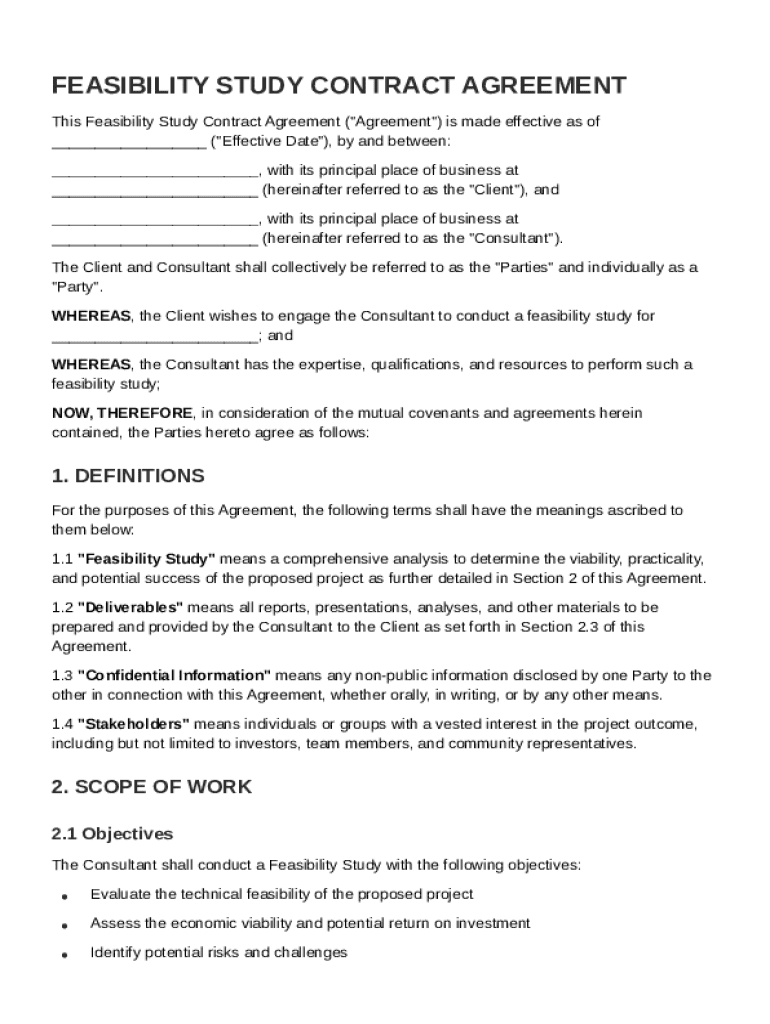
A Feasibility Study Contract Template is a formal agreement between a client and a consultant that outlines the terms and conditions for conducting a feasibility study on a proposed project. This document serves to define the scope, objectives, methodologies, deliverables, and responsibilities of both parties involved. The purpose of a feasibility study is to assess the practicality and potential success of a project before significant resources are committed. This template ensures that both parties have a clear understanding of what is expected and establishes a framework for collaboration.
Key Elements of the Feasibility Study Contract Template
The Feasibility Study Contract Template typically contains several critical components:
- Objectives: Clearly stated goals for what the feasibility study aims to achieve.
- Methodologies: Detailed description of the approaches and techniques that will be used in conducting the study.
- Deliverables: Specific outputs that the consultant is expected to provide, such as reports or assessments.
- Project Timeline: A schedule outlining key milestones and deadlines for the study’s completion.
- Financial Terms: Agreement on compensation, payment schedules, and any cost considerations.
- Confidentiality Obligations: Provisions to protect sensitive information shared between parties.
- Liability Limitations: Clauses that define the extent of each party's liability in case of errors or omissions.
- Termination Conditions: Guidelines for legally ending the contract, either upon completion or under specific circumstances.
Steps to Complete the Feasibility Study Contract Template
- Review Objectives: Both parties should consult to ensure they have a mutual understanding of the project's goals.
- Define Methodologies: Agree on the research methods and analytics to be employed during the study.
- Outline Deliverables: Specify what documents and results should be delivered upon completion.
- Set a Timeline: Establish realistic deadlines and ensure all parties agree to them.
- Negotiate Financial Terms: Discuss fees, payment plans, and ensure transparency in all financial dealings.
- Establish Confidentiality Measures: Confirm that all sensitive data includes the necessary protections.
- Agree on Termination Conditions: Outline the circumstances under which the contract can be legally dissolved.
Legal Use of the Feasibility Study Contract Template
This contract template serves as a legally binding document ensuring both parties adhere to the agreed terms. It is created in compliance with U.S. laws, making it crucial that users understand the legal obligations and implications before entering into agreements. The document should be reviewed by legal professionals to ensure its enforceability and conformity with applicable regulations. Furthermore, it defines mechanisms for dispute resolution, should any conflicts arise during the course of the study.
How to Use the Feasibility Study Contract Template
- Customize the Template: Modify the template to suit the specific needs of your project. Ensure all sections are relevant and comprehensive.
- Consult Legal Expertise: Before finalization, have the contract reviewed by a legal expert to ensure it meets all legal standards and adequately protects all parties involved.
- Engage with Stakeholders: Discuss the content with all involved parties to ensure agreement and comprehension.
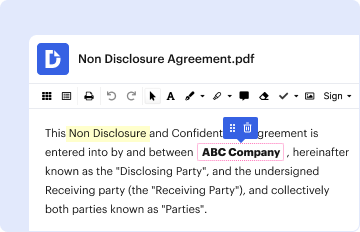
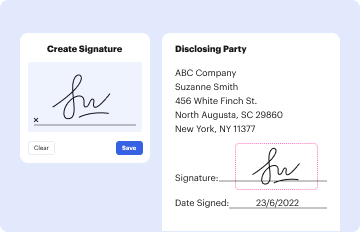
- Finalize and Sign: Once all parties agree on the terms, execute the contract with signatures from authorized representatives of both parties.
Who Typically Uses the Feasibility Study Contract Template
This template is most commonly used by:
- Consultancy Firms: Aid clients from various sectors in assessing the viability of proposed projects.
- Corporate Executives and Managers: Evaluate potential expansions, new product lines, or business ventures.
- Government Agencies: Analyze the feasibility of public projects or policy initiatives.
- Non-profit Organizations: Assess the potential impact or sustainability of initiatives.

Business Types that Benefit Most from the Feasibility Study Contract Template
Certain business entities stand to gain significantly from using this template:
- Startups: Evaluate market opportunities, risks, and resource requirements to ensure a robust launch plan.
- Real Estate Developers: Assess site potential and financing options before beginning construction.
- Manufacturing Firms: Explore new production processes or product lines with a focus on operational feasibility.
- Tech Companies: Investigate potential software or hardware developments to gauge market readiness and investment requirements.
Examples of Using the Feasibility Study Contract Template
- Urban Development Projects: A city planning department might use the template to explore the viability of a new residential area, detailing aspects such as demographic research, environmental impact, and budget assessments.
- Healthcare Expansion: A hospital chain could employ the template to evaluate the feasibility of opening a new branch, considering factors such as community needs, competition, and anticipated costs.
- Educational Institutions: A university might undertake a feasibility study on launching an online degree program, analyzing market demand, technological requirements, and budget constraints.
These various applications demonstrate the versatility and essential nature of the Feasibility Study Contract Template in different sectors.