Definition & Meaning
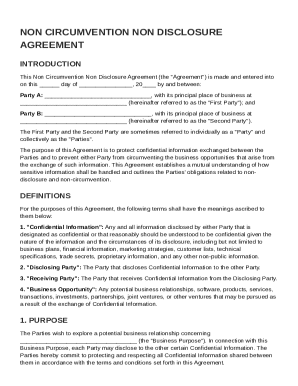
A Trade Secrets Non-Disclosure Agreement (NDA) is a legal framework designed to protect the confidentiality of sensitive business information, specifically trade secrets. It involves two parties: the Disclosing Party, who shares proprietary information, and the Receiving Party, who agrees to keep this information confidential. Trade secrets can include formulas, practices, processes, designs, instruments, or any information that provides a business with a competitive edge. The agreement outlines the responsibilities of the Receiving Party to maintain confidentiality and details the exceptions, governing law, and remedies in case of a breach.
How to Use the Trade Secrets Non-Disclosure Agreement Template
Using a Trade Secrets NDA template involves several steps to ensure it is completed accurately and serves its purpose effectively. Begin by identifying and documenting the parties involved: the Disclosing Party and the Receiving Party. Clearly define what constitutes "confidential information" to avoid any ambiguities. Specify the obligations of the Receiving Party regarding the protection and non-disclosure of the trade secrets. Establish the duration of the agreement, including how long the confidentiality obligations will last. Finally, ensure both parties review the document and include signature lines for formal acknowledgment.
Key Elements of the Trade Secrets Non-Disclosure Agreement Template
A well-drafted Trade Secrets NDA includes several key elements to ensure comprehensive coverage. These elements include:
- Definitions: Clearly explain important terms such as "confidential information" and "trade secrets" to provide clarity.
- Obligations: Outline the Receiving Party's duty to maintain confidentiality and the measures they must take to secure the information.
- Exclusions: Identify information that is not considered confidential, such as publicly known information or data released with the Disclosing Party's consent.
- Duration: Indicate the length of time during which the confidentiality obligations will be in effect.
- Return or Destruction of Information: Specify the process for returning or securely destroying the confidential information at the end of the relationship.
Legal Use of the Trade Secrets Non-Disclosure Agreement Template
When using the Trade Secrets NDA, it is critical to ensure its legal enforceability. The agreement should comply with applicable U.S. federal and state laws concerning trade secrets and NDAs. Parties must be of legal age and have the authority to enter into such agreements. The NDA should be drafted in a clear and precise manner, avoiding overly broad or ambiguous language that can lead to disputes. Legal counsel may be advisable to tailor the agreement to specific needs and to address any state-specific requirements that could impact its enforceability.
Examples of Using the Trade Secrets Non-Disclosure Agreement Template
The Trade Secrets NDA is utilized across various scenarios where businesses need to safeguard their proprietary information. For instance:
- Collaboration Projects: When two companies collaborate on a project, an NDA ensures that any shared information remains confidential.
- Employee Access: Employees with access to sensitive operational details are often required to sign an NDA to prevent misuse of information.
- Vendor Engagements: Companies may share confidential designs or processes with vendors, necessitating an NDA to protect these trade secrets.
Important Terms Related to Trade Secrets Non-Disclosure Agreement Template
Understanding specific terminology is essential for the effective use of a Trade Secrets NDA:
- Proprietary Information: Information that is owned by a company and offers a competitive advantage.
- Breach of Agreement: Failure to adhere to the confidentiality obligations set out in the NDA.
- Remedies: Legal avenues available to the Disclosing Party in the event of a breach, such as seeking injunctive relief.
- Governing Law: The jurisdiction whose laws will be applied to interpret and enforce the agreement.
Who Typically Uses the Trade Secrets Non-Disclosure Agreement Template
A variety of individuals and organizations employ Trade Secrets NDAs:
- Startups: Protect innovative ideas or unique business models when seeking funding or collaborating with other entities.
- Manufacturers: Safeguard formulas, production processes, or new technologies from competitors.
- Consulting Firms: Protect client data, methodologies, and insights developed during client engagements.


State-Specific Rules for the Trade Secrets Non-Disclosure Agreement Template
Trade secret laws can vary between states, impacting how NDAs are crafted and enforced. It is important to understand these differences to ensure compliance:
- California: Exceptions exist under the California Business and Professions Code, which can affect non-disclosure provisions.
- New York: Emphasizes reasonable time frames and defined scope for confidentiality obligations.
- Texas: Requires clear definitions to distinguish protected information from non-confidential data.
Steps to Complete the Trade Secrets Non-Disclosure Agreement Template
Completing a Trade Secrets NDA template involves several sequential steps:
- Identify Parties: Clearly state the names and roles of the Disclosing and Receiving Parties involved.
- Define Information: Specify what constitutes confidential and proprietary information.
- Set Terms: Determine the duration, obligations, and scope of confidentiality.
- Include Remedies: Outline actions that may be taken in response to a breach of agreement.
- Review and Sign: Each party should review the agreement and sign to acknowledge their understanding and consent.
By following these steps, businesses and individuals can effectively protect their sensitive information through a thorough and clearly defined non-disclosure agreement.