






Definition & Core Purpose of the State Separation Agreement Template
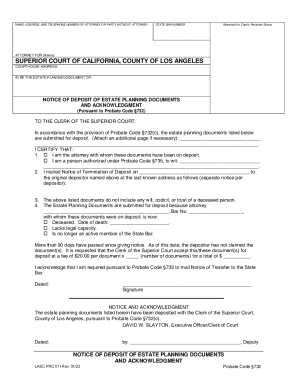
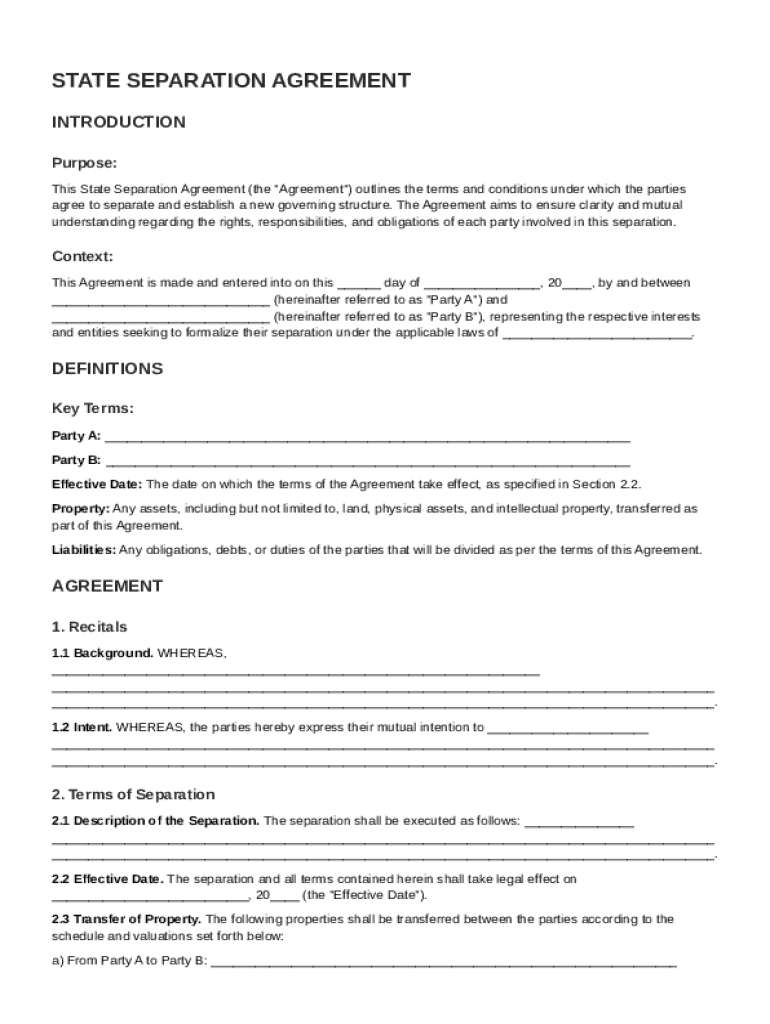
The State Separation Agreement Template outlines the framework for the separation between two parties, commonly known as Party A and Party B. This legal document provides a comprehensive structure for detailing the terms and conditions under which the separation will occur. It ensures both parties are aware of their rights and responsibilities, covering property transfer, liability allocation, and post-separation governance. Understanding its meaning and purpose is essential for effective application.
Practical Example
Consider a scenario where two businesses are entering a separation agreement due to strategic realignment. The template ensures each party knows its share of assets, liabilities, and how future disputes will be resolved. It serves as both a guide and a legal safeguard, providing clarity and preventing misunderstandings.
How to Use the State Separation Agreement Template
Navigating the usage of the State Separation Agreement Template is key to ensuring it serves its intended function. Parties should approach the template systematically, covering each section with close attention to detail.
- Initial Review: Start by reviewing the entire document to understand the form's layout and requirements.
- Identify Key Sections: Highlight areas specific to your separation, such as property or liability transfer.
- Customization: Edit relevant sections to align with the specifics of your agreement, ensuring all unique circumstances are addressed.
- Legal Consultation: Consult with a legal expert to verify that all adjustments comply with state and federal laws.
- Final Review and Signatures: Perform a comprehensive final review before all parties sign the document, confirming all details are accurate and agreed upon.
Real-World Application
Businesses separating due to mergers or splits will find this approach critical, as it ensures all legal elements are explicitly stated and agreed upon prior to execution.
Steps to Complete the State Separation Agreement Template
Completing the State Separation Agreement Template involves several detailed steps to ensure all legal requirements and personal agreements are fulfilled.
- Prepare Necessary Information: Gather all relevant data, including asset lists, liability details, and potential points of contention.
- Draft Initial Version: Use the template to draft an initial version, incorporating all known factors of the separation.
- Collaborative Review: Both parties should review the draft, making notes of any required changes or additional clauses.
- Revise and Customize: Revise the agreement according to feedback, adding any necessary detailed customizations.
- Legal Vetting: Have a legal professional review the document to verify compliance with applicable laws.
- Obtain Final Signatures: Once satisfied with the document, both parties should provide their signatures, finalizing the agreement.
Related Adjustment Examples
In cases where children or dependents are involved, provisions for their welfare and care might need to be added to the agreement, necessitating further customization.
Key Elements of the State Separation Agreement Template
Understanding the key elements within the State Separation Agreement Template is crucial to ensuring that it meets all necessary needs and legal requirements.
- Effective Date: Specifies when the separation will officially take effect.
- Property Transfer: Details how property will be divided between parties, including real estate and personal items.
- Liability Allocation: Defines how debts and liabilities will be managed post-separation.
- Governance Structure: Outlines the new governance arrangement, if applicable, between the parties.
- Dispute Resolution Mechanism: Establishes procedures for resolving any disputes that arise after separation.
- Amendment and Termination Provisions: Provides conditions under which the agreement may be modified or ended.
Examples of Critical Scenarios
In scenarios where significant assets are involved, such as shares in a corporation, specific attention should be paid to how these assets are documented and divided within the agreement.
State-Specific Rules and Considerations
While generalized templates provide a strong starting point, state-specific rules must be considered when finalizing a State Separation Agreement. Each state has unique legal stipulations that may influence elements of the agreement.
Practical Implications
- Property Laws: States may differ in how property is classified and divided, affecting the template's application.
- Legal Compliance: Ensuring compliance with local laws might require adjustments to enforceability and legitimacy.
Example
A separation agreement executed in community property states like California will differ significantly from those in equitable distribution states, impacting asset division strategies.
Legal Use of the State Separation Agreement Template
The State Separation Agreement Template must be utilized within legal boundaries to ensure it is enforceable in court.
Important Legal Considerations
- Validity: Legal experts should verify the document meets all judicial standards.
- Compliance: The template should be compliant with both federal and state laws.
- Binding Nature: Ensure it is clearly understood that once signed, the agreement carries the weight of a legally binding contract.
Case Studies
In cases where disputes reach the courtroom, the document's clarity and thoroughness often determine its strength and enforceability, emphasizing the importance of attention to detail during its drafting.
Common Users of the State Separation Agreement Template
Various individuals and entities commonly use the State Separation Agreement Template to formalize the terms of their separation.


User Profile Examples
- Business Partners: Often employ the template to outline separation conditions, ensuring each retains a fair share of the company's assets and future earnings.
- Married Couples: Use the agreement to organize asset division, custody matters, and financial obligations post-divorce.
- Joint Ventures: In cases of business joint ventures, partners might use it to distinguish personal assets from those of the business.
Tailored User Scenarios
For businesses undergoing a structural change, ensuring the agreement addresses future governance and liability is crucial, detailing continued obligations related to shared projects or ongoing financial commitments.
State-by-State Differences in Use
The State Separation Agreement Template might require adjustments to reflect variances in state laws and regulations. These differences can influence how the template is used and what additional considerations may be necessary.
Key Adjustments
- Property Division: States with differing property law standards like community property versus equitable distribution require template modifications.
- Jurisdictional Rules: Different states may impose specific contractual requirements for the agreement to be recognized legally.
Conclusion
Such state-specific distinctions highlight the need for localized legal consultation, ensuring the agreement's enforceability across varying jurisdictions. Understanding these nuances is imperative for anyone using the template across different state lines.