






Definition and Purpose of a Tenant Contract Template
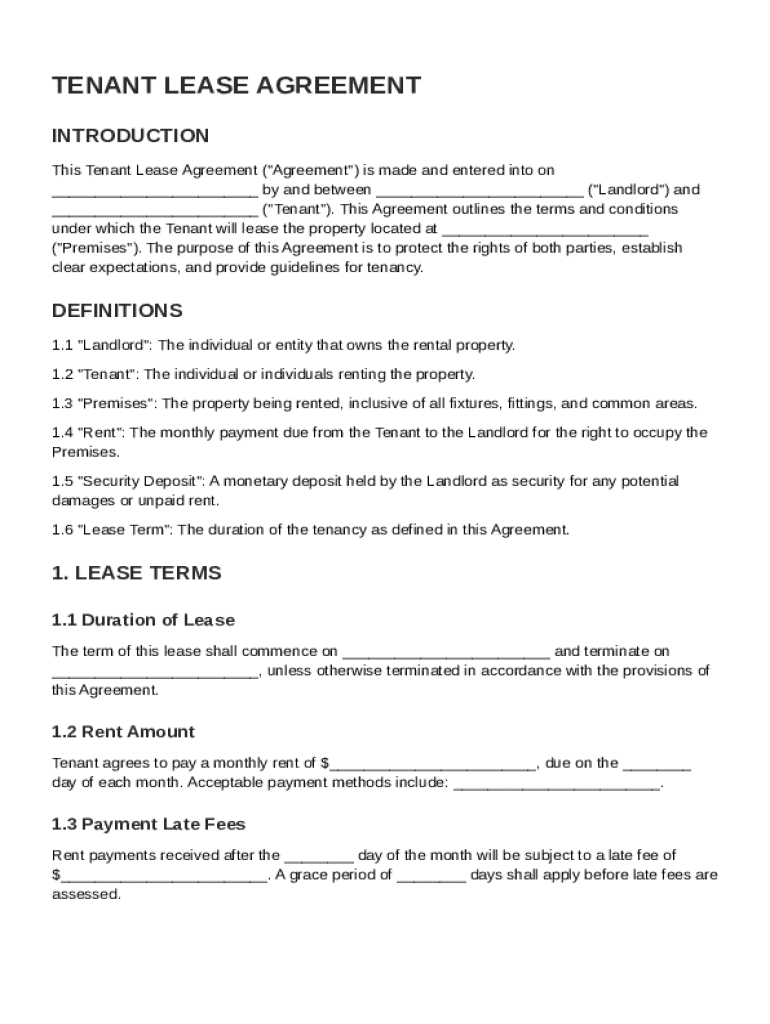
A Tenant Contract Template is a standardized form used to outline the terms and conditions for a lease agreement between a landlord and tenant. This document serves as a legal framework to protect both parties and ensure clear agreements about the rental property. The template typically includes key sections such as lease duration, rent amount, security deposits, maintenance responsibilities, and conditions for lease termination. These details aim to establish rights and responsibilities, mitigating potential disputes. By using a predefined format, both landlords and tenants can be assured that crucial elements are covered systematically.
Components of the Tenant Contract Template
The Tenant Contract Template is made up of several integral components that define the rental agreement’s specifics:
- Identity of Parties Involved: This section lists the landlord's and tenant’s full legal names and contact information.
- Property Description: Details including the address and a brief description of the rental property are provided.
- Lease Terms: Outlines the time frame of the contract, detailing whether it is a fixed-term lease or a month-to-month agreement.
- Rent and Payment Terms: Specifies the rent amount, due date, acceptable payment methods, and any late payment penalties.
- Security Deposit: Details about the amount, conditions for return, and any deductions that can be made for damages.
- Maintenance Responsibilities: Information on who is responsible for repairs and maintenance, and how the costs are managed.
- Termination Conditions: Lists valid reasons and notice periods required for either party to terminate the lease.
Legal Considerations for Tenant Contract Templates
Using a Tenant Contract Template involves several legal considerations to ensure compliance with state and local housing laws:
- Uniformity and Clarity: The template should present terms in a clear, understandable manner without ambiguous language.
- Compliance with Fair Housing Laws: Ensures no discriminatory language or requirements, in adherence with federal and state fair housing laws.
- State-Specific Addendums: Incorporate any necessary state-specific legal disclosures or additional clauses required by local law.
- Legal Remedies and Dispute Resolution: Clearly outline the procedures for addressing disputes or breaches of the contract.
How to Use the Tenant Contract Template
Here's a step-by-step guide to effectively using a Tenant Contract Template:
- Review Standard Clauses: Begin by familiarizing yourself with the boilerplate language.
- Customize Terms: Modify any editable sections to reflect the particular conditions of your lease agreement.
- Legal Consultation: If necessary, have a lawyer review the template to ensure all clauses meet legal criteria and personal needs.
- Discuss with Tenant: Review key terms together with the tenant to ensure mutual understanding and agreement.
- Final Adjustments: Make any agreed-upon changes before proceeding with signatures.
- Execution: Both parties sign the document, and copies are distributed for records.
Importance and Benefits of a Tenant Contract Template
Utilizing a Tenant Contract Template offers numerous advantages:
- Efficiency and Time-Saving: Allows landlords to quickly create a contract without starting from scratch.
- Consistency: Helps ensure that every lease agreement contains the necessary components and legal protections.
- Risk Mitigation: Reduces the chances of missing crucial clauses that could otherwise lead to disputes or legal issues.
- Professionalism: Presents a well-organized and professional appearance to potential tenants.
State-Specific Rules for Tenant Contract Templates
Given the diversity in state laws, Tenant Contract Templates must be adjusted to reflect state-specific rules and requirements:
- Security Deposit Limits: Some states have maximum limits on security deposit amounts.
- Notice for Termination: The requisite notice period for ending a lease can vary significantly by state.
- Landlord Entry Requirements: Conditions under which a landlord may enter the property are often regulated at the state level.
Ensuring the template is compliant with local regulations is crucial for legal validity.
Who Typically Uses the Tenant Contract Template?
Tenant Contract Templates are popular among a range of users:
- Individual Landlords: Benefit from an easy-to-use, standardized agreement form.
- Property Management Companies: Use templates to streamline processes across multiple properties and tenants.
- Real Estate Attorneys: Leverage templates as a starting point for creating custom lease agreements.
- Tenants: Can review contract templates to understand standard leasing terms before engagement.


Real-World Examples of Tenant Contract Usage
Tenant Contract Templates are frequently employed in various scenarios to achieve clarity and legal compliance:
- Residential Properties: Standard for renting apartments, houses, or condos.
- Commercial Leases: Adapted form templates can also serve in commercial leasing arrangements, adjusted for business use.
- Short-Term Rentals: Useful for vacation or short-term housing rentals, providing consistent agreement terms.
These examples underline the template's versatility across different rental contexts.
By adhering to these guidelines and tailoring a Tenant Contract Template to fit specific requirements and legal mandates, landlords and tenants alike can foster clear, harmonious tenancy relationships.